It started with a question: There must be another way.
I was a sickly child. Nothing terribly serious, but I was often unwell, and it affected so many things I loved doing.
By my mid-twenties, I’d spent years taking medications, trying treatments and becoming increasingly frustrated with my health. When I found myself facing surgery I didn’t want, I remember thinking, There must be another way.
That question led me to a weekend herbal workshop, and eventually to spending my savings on a four-year natural health practitioner training course.
I had no idea where it would lead.
What my clients taught me
When I opened my clinic, I quickly discovered that my real education was only just beginning.
My clients wanted to feel better, but understandably, they didn’t always want to turn their lives upside down to do it.
I knew how they felt. I’d struggled with strict health regimes myself and had discovered that consistently doing 80% of what helped me was often more useful than trying to achieve a perfect 100%.
So I became interested in finding the changes that would make the biggest difference for each individual.
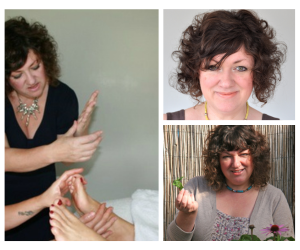
Over the next 20 years, I trained in different approaches, developed my own assessment process and kept detailed records of my clients’ experiences.
I became fascinated by what happened after someone followed health advice.
Why did one person improve quickly while another took much longer? Why did something help one person but not another? And what could we learn when the expected improvements didn’t happen?
My clients often thought I had a special gift. But I believed I was learning to recognise patterns and pay attention to feedback that was easily overlooked.
The greatest satisfaction wasn’t when someone felt better after a treatment. It was when they began feeling better through changes they’d made themselves.
I wanted people to discover how much they could do to support their own health.
Then I needed that help myself
Not long after closing my clinic, I caught Covid.
It came during an extraordinarily difficult period in my life, and my health gradually became more unpredictable.
The familiar remedies and approaches I’d relied upon for years no longer seemed to help. Sometimes trying something new made me feel worse.
I researched, consulted practitioners and worked with my GP, but I couldn’t find the guidance I needed.
Eventually, I returned to what I’d learned through my years in practice.
Instead of searching endlessly for another solution, I began paying closer attention to how my body responded to what I was doing.
I used my earlier experience to develop a way of reviewing those responses and working out what to try next.
And as I used it, the process evolved.
Something else changed, too. I began to see my body less as the problem and more as part of my team.
It hadn’t chosen to become ill. It was doing its best under difficult circumstances, and it needed my support, not my blame.
That understanding brought a mixture of trust, respect and compassion that I hadn’t expected.
Why Make Self-Care Simple exists
When we’re struggling with our health, it’s natural to look for someone who’s experienced exactly the same thing and copy what worked for them.
But our circumstances, bodies and responses are individual. Even something that helped us in the past may not work the same way today.
And sometimes, despite doing everything we’re advised to do, we simply don’t get the results we expected.
That’s the moment I wanted to help people navigate.
I created Make Self-Care Simple to share a process that helps you look at what’s happening, recognise useful feedback and work out your own next step.
It’s not about replacing medical advice or promising answers. It’s about having a way to approach uncertainty when the answers aren’t clear.
I wish something like this had been available when I needed it most.
After more than 20 years helping others, and then having to find my own way through unexpected health challenges, I wanted to make what I’d learned available to anyone who might find it useful.
Because you won’t always be able to prevent life’s unexpected challenges.
But you can learn a way to navigate them that’s personal to you.
And that’s why Make Self-Care Simple matters so much to me.
Jo Oliver