Tag

self care

Browsing

Find vegetables boring?

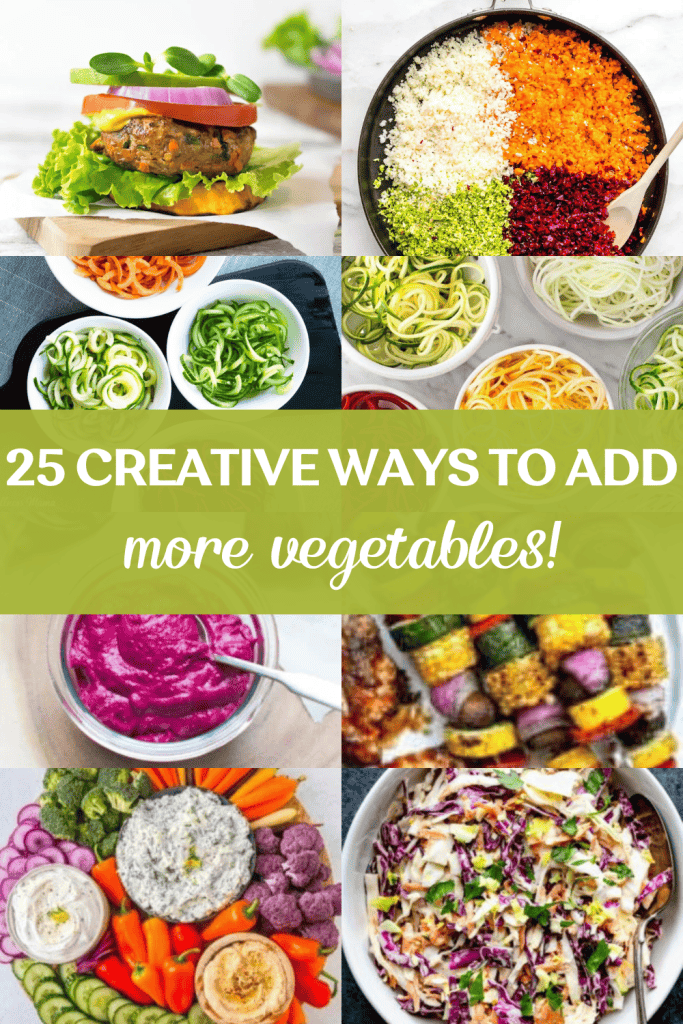
Discover this round up of 25 creative ways to add more vegetables to your diet.

I personally found that some of the vegetables that could support my health needs the best, were not always my favourites.

So I would avoid including them, even though they might help.

Many of us want to include more vegetables, but struggle for different reasons, which is why I created the 28-day-Eat-More-Vegetable-Challenge.


Hey! Before You Save These Recipes for “Later”…

Here’s a Tiny Step That Helps You Actually Use Them**

Most of us collect healthy recipes with good intentions — and then real life takes over.
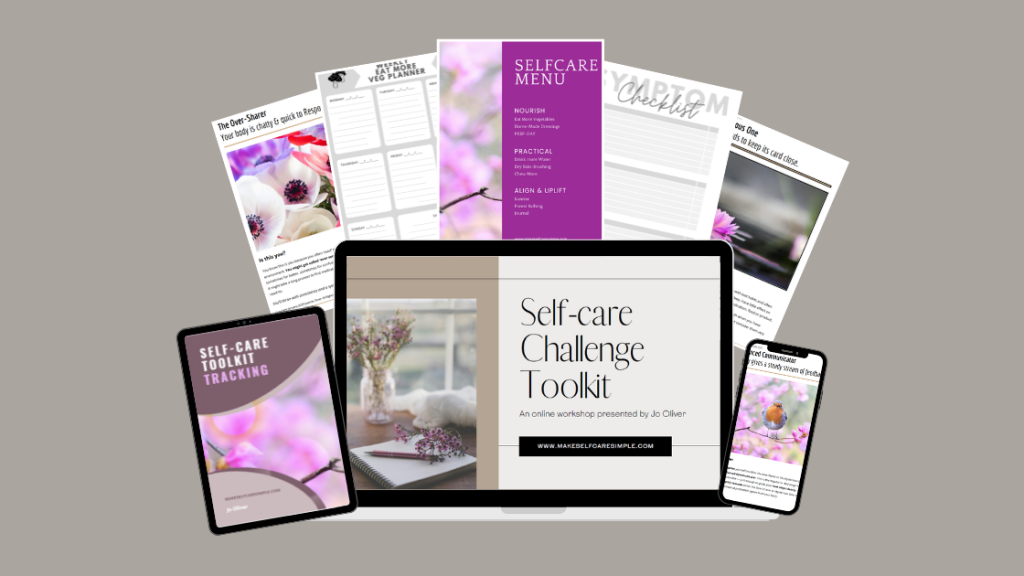
If you’d love a simple way to turn inspiration into something your body actually gets to enjoy, start with the Free Self-Care Start-Up Toolkit.

👉 Download the Toolkit (free)

Check out the amazing recipes and creative food bloggers below!

1.      Hide them in curries

hungryhealthyhappy.com suggests

A super easy and healthy Slow Cooker Chicken Curry that takes less than 5 minutes to prep. Easy to adapt, lots of green vegetables and it freezes well too. A tomato based, creamy curry sauce with tender chunks of chicken and some spinach for a green boost. A family favourite with minimal effort!

I have to be careful with spices as many are high histamine but I have found I can tolerate moroccan spices. How about you?

2.      Hide them in mash

carefreekitchen.com suggests

These creamy Mashed Root Vegetables make for a simple, delicious, and unique side dish to serve with any fall meal.  This recipe is hearty, healthy, and pairs well with just about anything.

Vegetable mash is one of my regular go-to weekly recipes, so many herb options and always comfort food!

3. Chuck them in a smoothie

perrysplate.com says

A green smoothie recipe that actually tastes good? Yep. If you’re new or resistant to drinking things like this, this is the perfect green smoothie to break you in. It’s loaded with healthy greens and three kinds of vegetables, and I swear it doesn’t taste like compost.

Many years ago I did an infamous radio interview making a green smoothie on air live!

Lets just say there was green smoothie everywhere!

4.      Hide in homemade burgers

Reclaimingyesterday.com says

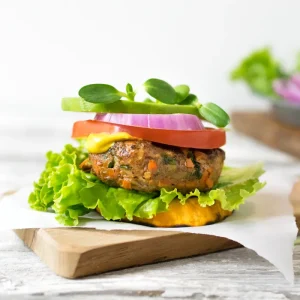
These burgers are sort of a cross between a real burger and a veggie burger. The veggies allow you to use less meat, plus they add extra nutrients and help flavor the burgers and keep them super juicy. WINNING. These burgers are easy for reals.

This is definitely on my ‘to-try’ list for summer!

5.      Use small vegetable pieces as an alternative rice option

cottercrunch.com says

Learn how to make riced veggies to use in your favorite healthy recipes! Ricing vegetables is quick and easy to do, and it costs less than buying them at the store!

So many great ideas here instead of my usual peas and sweetcorn that I will be adding to my list.

Let me know which ones you tried!

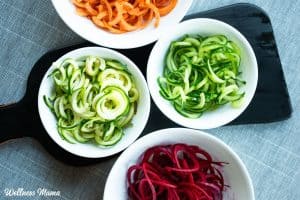
6.      Thinly slice vegetables as an alternative pasta

wellnessmama.com says

Veggie noodles are an awesome alternative to pasta — they’re great if you have a gluten sensitivity and avoid it or if you want to add more vegetables to your family’s diet.

Another great summer/autumn idea I will be addingthey look so beautiful!

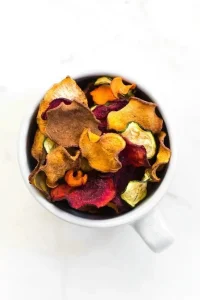
7.      Make vegetable chips and crisps

The bigmansworld.com says

These veggie chips are a Crunchy, crispy and a guilt-free snack that takes just 20 minutes to make! Low in calories and fat, and so much better than store bought.

Don’t these look amazing?

Such a treat!

Don’t forget kale chips too!

8.      Add spinach or greens sheets to lasagne.

foolproofliving.com says

Vegetarian Zucchini Lasagna is a rich yet healthy alternative to traditional lasagna recipes. This low-carb dish uses zucchini “noodles” instead of pasta noodles.

This seems like a simple swap that allows you to enjoy a favourite treat.

And you are adding healthy vegetables!

9.      Add finely chopped veggies to favourites like tacos, bolognaise, chilli

madaboutfood.co says

Use this Hidden Veggie Turkey Tacos recipe to sneak some extra veggies into homemade ground turkey taco meat. Your friends and family won’t even know that they’re eating zucchini and cauliflower with their meat.

Perfect way to disguise less than favourite vegetables!

This sounds like a great excuse for a family taco or chilli night?

10. Add vegetables to egg omelette, frittata and quiche recipes

erinliveswhole.com says

Fuel your body in the morning with some high protein and a variety of veggies… All thanks to this flavorful veggie frittata recipe.

Variations of this has been my breakfast option for years – super filling!

I freeze some of the portions ready for later in the week.

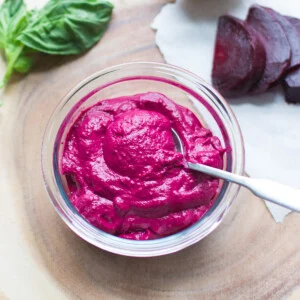
11. Hide in a pasta sauce

mjandhungryman.com say

Made with simple, wholesome ingredients, this beet pesto pasta sauce comes together in minutes and makes for the perfect pasta sauce for babies, kids, and adults!

The colour of beetroot looks so vibrant – can’t wait to try this one!

12. Vegetable tray-bake meals

thehappyfoodie says

Cauliflower, onions and homemade turkey kofta are tossed in a quick spice mix and baked in the air fryer in this simple one basket meal.

Vegetables and Airfryers seem like a match made in heaven!

13. Create vegetable kebabs

foodiecrush.com

says Grilling vegetables skewers seems like a no-brainer, but there are a few tricks to making them a simple success every time.

Definitely need to go check out their grilling vegetable tips!

14. Roast them with delicious seasonings

kimscravings.com says

These are the BEST Roasted Vegetables and my go-to side dish when I need something easy that pairs well with almost anything. 

The flavour options are endless and delicious!

Bake-tray meals are perfect for easy clean-up…

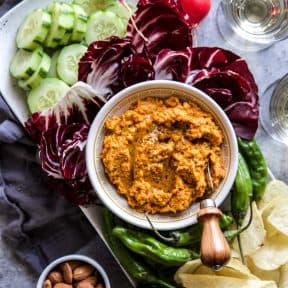
15. Make vegetable dips and hummus.

thecuriousplate.com says

Easy Smoky Carrot Dip is a delicious dip that’s great as a snack and fancy enough as a holiday appetizer!

I am always on the look out for new ideas for dips and such a clever way to hide vegetables!

16. Stuff peppers, sweet potatoes, squash, or courgette

tastesbetterfromscratch.com says

This healthy Vegetarian Stuffed Peppers recipe is packed with rice, beans, veggies, and so much flavor. It will leave you satisfied and energized and are so easy to make!

Such a classic favourite, as I currently can’t eat peppers I could swap sweet potatoes…always options!


17. Create rainbow salads

shelikesfood.com says

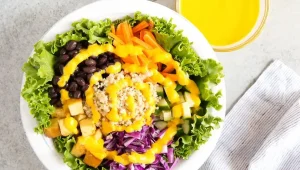
This Beautiful Rainbow Veggie Salad is packed with healthy fruits and veggies and goes great as a side salad or a main dish with some added protein!

How amazing does a rainbow salad look?

18. Create a coleslaw mix

healthyseasonalrecipes.com says

This healthy coleslaw recipe really is super easy peasy to make, and it is completely classic tasting.

Another of my comfort foods……!

The humble cabbage has so many benefits and you can adjust the dressing so it supports your health needs.

19. Quick stir-fries

budgetbytes.com says

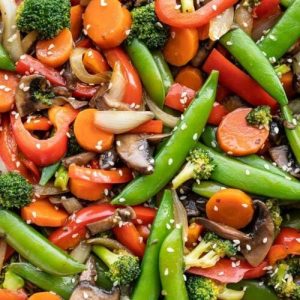
We love a good “catch-all” recipe here at Budget Bytes, and a simple vegetable stir fry is the perfect example of that. 

Another family classic!

If you buy or DIY ready prepared vegetables stir fry is a super quick evening meal

20. Easy lettuce wraps

therecipecritic.com says

Healthy and easy, these Chicken Lettuce Wraps are so fresh and delicious! They’re ready in under 30 minutes with a juicy chicken filling and crispy butterhead lettuce.

As someone who has to avoid gluten and wheat it’s easy to forget there are simple veggie alternatives!

21. Vegetable Crudites & dip

modernhoney.com says

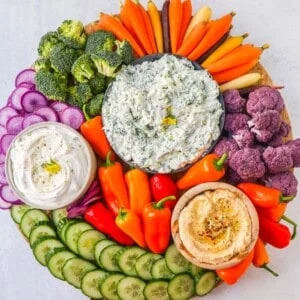
How to make a beautiful Crudite Platter with vegetables and dips. I am sharing my favorite veggie dip recipes, what vegetables to put on a veggie tray, and how to arrange one.

I need to learn how to make my vegetables look beautiful!

22. Throw vegetables on the BBQ

slenderkitchen.com says

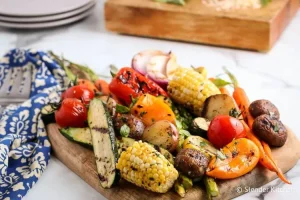
Grilled vegetables are the perfect summer side dish! Learn how to grill almost any vegetable from asparagus to zucchini to corn, onions, peppers, potatoes, mushrooms, and more. Delicious recipes, seasoning options, serving ideas, and more. 

Amazing! Now we just need the sun…in the UK

23. Add vegetables to one-pot casseroles (slow-cooker)

tamingtwins.com says

Slow Cooker Beef Stew or Slow Cooker Beef Casserole? Whatever you call it, it’s comfort food at its very best. A hearty meal packed with flavour, vegetables and rich gravy for the whole family.

Stews or Casseroles are real comfort food in my home.

And so easy to hide a few veggies!

24. Make vegetable dressings and seasonings

forksoverknives.com says

Fresh carrots combine with a touch of tahini in this nutrient-rich, creamy carrot-gold-dressing. The hint of ginger adds a beautiful flavor boost. Try this on grains, too!

One I will be trying!

25. Vegetable noodles

loveandlemons.com say

Did you know that you can make veggie noodles out of cucumber, carrots, kohlrabi, and more? We’ve all heard of zucchini noodles by now, but lots of other vegetables can transform into curly, colorful noodles too! 

How colourful do these look? pretty sure they would transform a noodle bowl recipe!


Before You Save This Recipe for “Later”… Let’s Make Nourishment Something You Actually Get to Enjoy

If this recipe has inspired you, that’s a wonderful place to begin.
But if you’re like most of us, inspiration often ends up saved, pinned, or bookmarked — without ever becoming something your body actually gets to enjoy.

Your body doesn’t need more saved ideas.
It needs one small, supported step that fits your real life.

The Free Self-Care Start-Up Toolkit helps you turn that “I’ll try this recipe one day” thought into one easy, real-life step that actually nourishes you.

Most people like to complete the Toolkit over a relaxed weekend.
It includes short step-by-step videos and simple printables to guide you through choosing your first gentle challenge and preparing to begin without pressure or perfection.


Download the Free Self-Care Start-Up Toolkit

A calm, personalised starting point for your first Nourish challenge.

Inside, you’ll gently discover how to:
🌿 understand what your body may be asking for
🌿 choose one tiny Nourish step that fits your real energy and routine
🌿 begin your first challenge in a way that feels safe and achievable
🌿 notice small benefits without relying on willpower

You’ll also receive:
✉️ monthly Nourish themes & reminders
💬 access to our private community (coming soon)

👉 Send Me My Free Toolkit

(Part of the Nourish Pathway — helping you move from saving recipes to actually using them in a way that supports your wellbeing.)

Free beginner-friendly guide!

“It’s 100% free—no strings attached.”

You’d think drinking water would be the easiest healthy habit in the world.
And yet… here we are — another day, another half-full glass on the counter.

If plain water feels boring, forgettable, or just impossible to keep up with, you’re in good company. I’ve lost count of how many clients (and days!) I’ve had the same struggle.

That’s why this challenge keeps it as simple as possible — no huge bottles, no timers, no guilt trips.
Just small, steady sips that remind your body what it feels like to be properly hydrated again.

After all, self-care isn’t always about doing more — sometimes it’s just about remembering to drink what’s right in front of you.

Because apparently, coffee doesn’t count (I checked).

Jump to Recipe

The Intention

To gently reintroduce your body to regular hydration and create a rhythm that feels natural.
Like all Make Self-Care Simple challenges, you’re encouraged to adapt it to fit your own energy, lifestyle, and body’s needs.


Try this Challenge If:

  • You suspect you don’t drink enough water
  • You find water boring or forget to drink regularly
  • You struggle with fatigue, headaches, or sluggish digestion
  • You want a simple, low-effort self-care habit that makes a big difference

(Tip: I find this challenge especially helpful in the cooler months when it’s easy to forget to drink.)


Pin for later ?

What Is the Drink More Water Challenge?

Over the next 28 days, you’ll track and celebrate the days you meet your personal water goal.
You’ll start small — just five mini “sips” a day — and see what changes you notice in your energy, skin, and focus.

By the end of the challenge, you’ll have clear feedback on how hydration affects your wellbeing — and you’ll decide if you want to make it part of your regular routine.


Why Water Matters

Water supports nearly every function in your body — from energy and temperature regulation to digestion and brain function.

Even mild dehydration can affect your mood, concentration, and metabolism. Over time, it can also put stress on your kidneys and joints.

So, a little consistency really does go a long way.


How Much Water Do You Need?

There’s no perfect number. Everyone’s needs are different and depend on:

  • Temperature and weather
  • Activity level and sweating
  • Age, gender, health, and medications

Instead of chasing a fixed target, this challenge focuses on habit and awareness.
You’ll simply notice how your body feels as you drink more regularly.


Check-In Before You Begin

Spend one day observing how much you currently drink. Include everything — tea, coffee, smoothies, juice, and water.
Then ask:

  • How much of this is pure water?
  • How do I feel (energy, mood, focus, skin, digestion)?

You’ll use these notes to compare your “before” and “after” once the challenge ends.


The Simple 28-Day Drink More Water Challenge

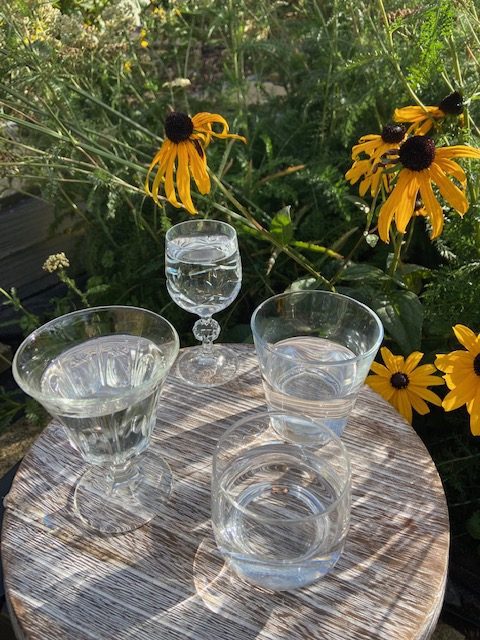
For the next 28 days, drink at least 100 ml (about 3 fluid ounces) of plain water at these times:

1️⃣ Upon waking
2️⃣ Before breakfast
3️⃣ Before lunch
4️⃣ Before dinner
5️⃣ Before bed

That’s just five quick moments a day — about two big gulps each time.
Over 28 days, that adds up to around 14 litres (24½ pints) of pure water.

This is in addition to your normal beverages.


Why This Works

  • Small = achievable. 100 ml at a time feels easy, which helps you stay consistent.
  • Timing = benefit. Drinking before meals supports digestion and helps prevent overeating. Drinking on waking and before bed supports detox and hydration overnight.
  • Habit stacking = success. Pairing water with things you already do (like meals or brushing your teeth) helps make the habit automatic

Can I Drink Warm or Hot Water?

Yes! It all counts — cold, warm, or hot — as long as it’s plain water (no flavourings or sugar).
Some people find warm water easier to drink in cooler weather. Experiment and notice what feels best.


Want to Take It Further?

If this feels easy, you can gently increase:

  • Drink 150–200 ml each time instead of 100 ml
  • Or add another 100 ml after every bathroom break

You’ll get even more benefit without feeling overwhelmed.


Tracking Your Progress

Inside your toolkit

Tracking makes this more fun — and motivating!

Use your Drink More Water Tracker from the Free Self-Care Startup Kit or simply tick off each day in your journal.
After 28 days, compare how you feel.

Common improvements:

  • More steady energy
  • Clearer skin
  • Better digestion and regularity
  • Fewer headaches
  • Improved focus and less fatigue

If you don’t notice much change, that’s okay — it might mean your hydration was already good, or your body needs more time. Either way, awareness is progress.


Reflection & Integration

After 28 days:

  • Review your “before” and “after” notes
  • Notice small wins — even subtle ones
  • Decide if you’d like to continue or increase your daily intake

Remember, consistent small habits make the biggest difference


Final Thoughts — Stay Hydrated (Without the Pressure)

Congratulations on completing your 28-Day Drink More Water Challenge!
You’ve strengthened one of the simplest — and most powerful — self-care habits there is.

If you managed to drink more water than you spilled, forgot, or replaced with tea… that’s a win.
Because every small, consistent sip adds up — to better energy, clearer skin, and a lighter mood.

Keep listening to your body, keep your water nearby, and keep it simple.
And if you ever fall off the hydration wagon, don’t worry — your next sip is always a fresh start.

Why not invite a friend to join you next month? Hydration (like laughter) really is better when shared.

Because apparently, coffee still doesn’t count — but you’re doing brilliantly anyway.

Well done image in Make Self Care Simple brand colours – completion of 28-day self-care challenge
Well-done! You have completed another step towards making selfcare simple

Take the First Step…

We’ve all done it — promised ourselves we’d start that new healthy habit “tomorrow,” and felt oddly proud of the plan… until tomorrow never comes.

The truth is, self-care doesn’t need a perfect day — just a small, curious step today.

Your body learns from action, not intention. The Self-Care Start-Up Toolkit helps you turn what you’ve learned into action — so your self-care finally becomes real, simple, and yours.

Free Self-Care Start-Up Toolkit

Turn inspiration into lasting results — with a simple system that helps self-care finally work with your body, not against it.

If you’ve been reading along and thinking, “I’d love to try this myself one day…” — you don’t have to wait, or wonder where to start.

The Free Self-Care Start-Up Toolkit gives you the gentle structure to make your first challenge easy, personal, and effective.
It’s the same step-by-step approach I use when following the challenges alongside you — so you’ll feel supported every step of the way.

Inside, you’ll find:
🌿 A gentle Before Assessment to pinpoint what your body truly needs — so you can stop guessing and start seeing real results
🌿 Step-by-step guidance (plus short video walkthroughs) to choose the right self-care challenge for your needs — and actually complete it.
🌿 Printable planners, reflections, and trackers to help you stay consistent
🌿 Access to our private community (coming soon!) — for gentle accountability and encouragement

You’ll also receive:
💌 Weekly self-care reminders, new challenges, and encouragement in the Make Self-Care Simple newsletter
🪴 Access to our free private community — where women share progress, celebrate wins, and remind each other we’re not alone

👉 Get Your Free Toolkit & Join the Community

(Part of the Practical Self-Care Pathway — build habits that support your body’s natural balance.)

discover your selfcare blueprint

Make Self Care Simple shares general self-care education for inspiration only. I’m not providing medical advice — always check what’s right for you with a qualified health professional.

©2025 Make Self Care Simple.

Download your free handy challenge reminder!

28-Day Drink More Water Challenge

Prep Time1 day
Total Time28 days

Notes

28-day Drink More Water Challenge

Goal: Build a simple daily hydration habit
Duration: 28 days
You’ll Need: Water, glass or bottle, tracker or journal
Steps:
  1. Track your current intake for 1 day
  2. Drink 100 ml at 5 key times (morning, before meals, before bed)
  3. Log your progress daily
  4. Compare your before/after notes at the end
  5. Optional: Increase amount or frequency after week 2

There are literally hundreds of self-care practices you could start tomorrow, but how do you decide which ones are worth spending your time doing?

 When you decide to invest precious time, energy and money on your well-being, especially when you are coping with ongoing health conditions, it is worth spending a couple of minutes answering a few questions before you decide if this new self-care is worth exploring.

In the last decade the internet has been buzzing with thousands of healthy choices, ideas and opinions that promise to transform your health. 

This has become a vast resource that is often freely available to everyone who is seeking answers and options.

 On the other hand too much choice can become overwhelming, especially when supporting your health has become an essential factor in your life.

My aim with this blog is to make selfcare simple and help you find the self care practice that gets you results.

To get started I have put together 7 questions to ask before starting a new self care practice.

I have used both my experiences as a natural health practitioner and personal health journey to help explain how to use each question.

Short on time?

If you just want to skip straight to the questions click to the summary at the end.

Benefit of a Clear Strategy

My own self-care practice has changed over the years, depending on what was happening in my life and health journey, and the results I achieved was down to always having a clear strategy behind each self care practice I included.

 In other words, I always know exactly what result I expect to experience from any self-care choices I made.

 In my Natural health clinic, I helped hundreds of clients over many years to create individualised self-care practices.

 In this article I want to help you get started, by sharing questions to ask before starting a new self-care practice.

What is the definition of Self-Care?

Who defines self-care as:

 “Self-care is the ability of individuals, families and communities to promote and maintain their own health, prevent disease, and to cope with illness – with or without the support of a health or care worker.”
 My aim with any self-care practice is to provide one of the following:

  • Improve my current health levels
  • Maintain good health levels
  • Prevent future health issues
  • Better cope and manage existing illness.

A self care practice goes a little deeper than a healthy lifestyle, it is specifically fine tuned to the needs of your individual body and health needs.

Lets dive into the 7 questions to ask before starting a new self-care practice.

1. What benefit can I expect to experience or see?

This is the important question. Will following this self-care practice benefit and improve your individual health levels?

It might sound obvious but in the clinic I had clients spending time and money on popular health practices and products that they did not need. And because their body did not need it, they never experienced the same results as other people.

 Which can leave you feeling frustrated and wondering ‘what is wrong with me?’ or ‘what am I doing wrong?’ or that it doesn’t work and was a waste of time.

 Seeing someone else getting results is a very powerful motivation especially when you are struggling.

 ‘It worked for me, so I’m sure it will help you too’.

 Is a well-meaning phrase, but often a bit of a red herring when it comes to self-care.

The reason why there are so many solutions and none of them work 100% for every person is because you are not an exact copy of everyone else – you and your body are unique and individual and so are your health needs.

Knowing what support your body most needs right now is an important guide to which self-care practices to consider. 

If you don’t know – that should be your first self care practice – to understand your health condition better. 

Start with simple basics and know that as you learn more about your health conditions your self care practice will become more individual and tailored to you..

  For instance, a mindfulness practice to help soothe anxiety would not be the most important part of my own self-care, as I am quite relaxed and calm naturally.  It’s possible I would not notice any positive changes to my health levels.

 But for someone who suffers with anxiety the benefits become much more valuable and they are likely to notice and experience incredible improvements.

 Check what benefits to expect with each self-care practice you consider. Then decide if you, your body and health situation need them.

2. How soon before I can expect to feel/notice the benefits?

Some self-care practices feel good as soon as you do them, but the benefits only last a short while. Others take longer to build up and change the body, so it may take longer to experience the results.

 Admittedly this question has many variables, mainly because each person is unique. You may not be able to answer this question exactly until after a bit of trial and error.

 The reason why I like to have a rough idea of how soon to expect results is so I can monitor which practices are working well and which ones I need to swap out.

 My goal is always to get the best health benefits, in the shortest, easiest and most enjoyable ways possible.

Life is far too short to be spending 15 minutes every single day on a self-care practice that makes very little difference to my well-being. Or spending £10 a week on a product that does nothing to reduce a symptom.

In one year that would mean 5475 minutes or 91 hours or £520 of wasted time and money!

 As a rule of thumb if I don’t notice a difference after 1 month, I consider stopping that practice.

I can say this confidently because I know which Self-Care Blueprint I have.

Discover your body's response style
discover your selfcare blueprint

To answer this question you also need to be realistic.

No selfcare practice will give results unless you are consistent.

Do not expect a complete recovery in 1 week or month, the aim is to notice small improvements and changes.

 It is super helpful and motivating to know exactly what benefits I receive from each self-care practice I follow.

For instance, after completing just one 10–15-minute Qi Gong practice, I know that I will feel immediate improvements to my stiff and painful neck, a general ease of movement and serenity in my mood.

Consistent practice not only improves my body, mobility and mood, but I also experience the electromagnetic fields and vibrational frequencies of Qi Gong.

And I also know (from experience!) that after 3 days of missing that daily practice my neck will slowly seize up. More than a week of missed practice results in increased aches and pains all over my body. Ouch!

 On the other hand, the green supplement powder I use has a more subtle benefit. Over the years I have stopped it and found that at about 6 weeks I noticed a definite dip in my energy levels that I can only regain through my green powder.

Many self-care practices build up slowly over regular use.

 I hope my personal examples show how helpful it is to understand the timing factors for each self-care practice you follow.

how-much-time-make-selfcare-simple

3. How much time will this take to do each day/week?

Currently I work full-time, blog on the side and follow a daily self-care practice morning and evening. I also have a daughter, dog, home & garden, and family member commitments…I am busy!

 Time is extremely valuable to me.

If there are two practices that offer the same benefits, but one can be done in 5 minutes while the other one requires 50 minutes, I take the 5 minutes every time.

 No matter how great the longer practice is, it won’t help me if I never have time to do the practice!

 Knowing how much time a practice requires, is one easy way I decide which practices to include and which to leave.

 Another question I often ask is ‘can I get enough benefits in less time?’

Of course sometimes that 50-minute practice really is the best option, and acknowledging this first will help you make the time.How important is time for you?

how-much-planning-involved-make-selfcare-simple

4.  How much preparation or planning is involved?

Following certain diets and recipes that support my health often require hours of prep and planning.

I class healthy eating as self-care. For me it is a priority, so I factor in the extra time it takes to prepare my meals in my selfcare planner.

 Because I have (currently undiagnosed) MCAS symptoms and can experience extreme reactions to foods, I often don’t have a choice, so I research and explore all the prep and planning hacks and adapt them to suit my needs.

Honestly this has taken me hours and hours.

As a general rule my goal is always to get the best health benefits, in the shortest, easiest and most enjoyable ways possible.

But for my personal health issue, weekly hours spent on meal prep is essential, even if I don’t always enjoy it.

 You might come across a self-care practice with lots of benefits that requires a fair amount of prep or planning.

 Do the benefits justify any additional preparation and planning of a self-care practice?

 Another example would be a gym membership. There is no doubt that there are many benefits to a regular gym work-out, but many people struggle with fitting in the extra time requirements involved in travelling to and from the gym in their busy lives.

If the thought of all that additional time spent on prep and planning gives you that sinking feeling that could be a sign that for now you need self care that is simple and easy.

5. What additional costs are involved?

Most self-care practices require some kind of cost. Especially when you first start and are getting set up.

 I am quite frugal by nature and circumstance so it’s important to me that I am getting good value for any costs.

 I have found that many of the very best self-care results cost next to nothing!

 Sometimes an additional cost is worth it.

 A higher cost should save you:

  • Time,
  •  Provide better user quality,
  •  Results you can’t receive from other options.

The good news is that if you are prepared to allocate more time and effort a great deal of self care is affordable. Check out my self care challenges for ideas!

6. How much effort is required?

 For those of us suffering with low energy and fatigue asking how much effort is required can feel like a daily mantra!

This is when it helps to get honest about your energy levels, brain fog and motivation.

Every self care practice will involve some level of effort, simply because any change to your routine requires effort in the beginning.

 If the effort required leaves you feeling drained, that is a potential red flag.

 If you find yourself ‘avoiding’ or ‘forgetting’ it can be helpful to do some further self-enquiry as to what is really happening.

 Often the first week of a practice feels easy because we are motivated, but by the next week it can start to feel like hard work!

 Having to turn out and drive to an evening yoga class may feel like too much effort for one person while another will make time to experience the amazing instructor and group energy.

 Once you accept that any new self care practice is going to take a certain amount of effort, you just need to ask…

Is the effort worth the value you would receive?

7. Do I enjoy the practice?

I’ve saved this question until last even though I know it is possibly the first one you might ask!

 When you find a self-care practice that you enjoy, and which provides the lasting benefits your body needs you have found healing heaven.

 Sometimes when something starts to feel easier it becomes more enjoyable. Take yoga or meditation. Typically, these are not easy or enjoyable at the beginning. But after regular practice you become a raving fan!

 There is also a place for self-care that provides enjoyment as the main benefit – good to know right? I always try to include these in my day!

 Then there are ways you can make a self-care practice more enjoyable.

 Perhaps you can turn down the intensity, shorter the duration.

 The benefits may take longer but if you enjoy the practice more you will keep going.

Final Summary

So that completes my 7 Questions to ask before starting a new self-care practice. You can use these to help you choose your next self care challenge.

It is my hope that these questions will help reduce any confusion and overwhelm when faced with so many different options.

In summary:

7 Questions to ask before starting a new self care practice.

  1. What is the benefit I can expect to experience or see?
  2. How soon before I can expect to feel/notice the benefits?
  3. How much time will this take to do each day/week?
  4. How much preparation or planning is involved?
  5. What additional costs are involved?
  6. How much effort is required?
  7. Do I enjoy the practice?

Hope you can join me as I have a LOT more support to offer around self-care!

See why self-care challenges work and how gentle, focused practices help you listen to your body, build confidence, and create steady, meaningful change.

Let’s be honest…
On paper, self-care sounds ridiculously simple:

Just drink more water.
Eat more vegetables.
Move a little more.

On Day 1, it feels almost too easy.
You might even think: “Honestly, I could add more.”
By Day 3…
Life happens. You’re busy. You forget.

By Day 5…
Your energy dips, your motivation evaporates, and suddenly you’re saying:

“I’m not sure I can do this forever… is it even worth it?”

If you’ve lived anywhere inside that cycle — welcome, you’re not broken, you’re human.

And this is exactly why self-care challenges work so beautifully.

Not the hardcore, all-or-nothing challenges that demand perfection.

But the kind I teach here at Make Self-Care Simple:

Gentle, curiosity-based experiments

that help you discover what actually supports your body.

After 25 years as a natural health practitioner, I noticed something surprising:

Women who tried ONE small self-care practice consistently for a few weeks always saw better results
than those trying to overhaul their whole life in one go.

When I said to clients, “Try this one practice until your next appointment, just long enough to see if it works for you,”
— most of them finally made progress.

Here’s why.


1. They’re long enough for your body to show you what’s working

Most self-care advice promises quick results.
But real change needs time.

Your nervous system needs time.
Your digestion needs time.
Your hormones need time.
Your habits need time.

And above all, your body needs to feel safe before it can change anything.

Here’s the nuance:

In my experience, Practical and Nourish practices often show their true benefits over a few weeks… whereas Align & Uplift or Mindcraft shifts can often be felt much more quickly.

This makes every challenge the right size for the type of support your body needs.

gentle self-care challenge benefits

2. They Turn Self-care into a Simple Experiment

Most women feel overwhelmed because they think they must:

  • choose the perfect routine
  • get it right immediately
  • stick to it flawlessly

But a self-care challenge reframes the entire process:

“Let’s just try this. Let’s see what happens.”

You’re not committing for life.
You’re just gathering feedback.

It removes pressure
and builds confidence.


3. They stop the spiral of overthinking

If you’re intuitive, thoughtful, or sensitive (many of my readers are), you might recognise this:

You want to feel better →
You research →
You get overwhelmed →
You freeze →
Nothing changes.

A challenge cuts through the noise:

Choose one thing
Try it long enough to learn something
Reassess at the end

Even on low-energy days, this is doable.


4. They help you build your personalised Menu of Self-Care

Every challenge teaches you something:

  • what your body loves
  • what helps a little
  • what makes the biggest difference
  • what does nothing
  • what’s worth keeping

Over time, these little experiments become:

your personal Menu of Self-Care A living list of practices that genuinely support your body —
with no guilt, guessing, or copying other people’s routines

Personalised Menu of Self-Care Practices
This is what I know works for my body

5. They create momentum — without overwhelm

They create momentum — without overwhelm
One of the biggest reasons women don’t see results?
Trying to change everything at once.

Self-care challenges keep things simple:

Challenges work best when they’re focused.
Usually, this means choosing just one supportive practice at a time and — only if you want to — pairing it with a simple mood- or mindset-shift.

This structure matters.

Your four pathways work together — but focusing on just one at a time helps you clearly see which practice is making the difference.

That’s what builds confidence.

And once a practice earns its place, you can gently layer in the next.


They Help you see Patterns in your Body

When you focus on just one practice, you can clearly see what difference it makes.

You might notice:

  • that recurring headache appears less often
  • your mood lifts in the afternoon
  • the after-dinner bloat you’d accepted as “normal” softens
  • your energy lasts a little longer

These tiny shifts are valuable clues.

And you can only spot them when you’re not juggling ten changes at once.


7. They work with your body — not against it

Women over 40 often tell me:

“My body just doesn’t respond like it used to.”

And that’s true —
because your body now needs a gentler, kinder, more consistent approach.

Self-care challenges honour that.

They give you space to:

  • rebuild trust
  • restore balance
  • reconnect with your natural rhythm

This isn’t self-improvement.
It’s self-connection.


🌿 Ready to try this for yourself?

You don’t need to figure everything out first.

The easiest way to understand this approach
is to experience it with something you’ve already tried.

Inside the community, you’ll find:

– a short Body Feedback Journal to help you make sense of your own experience
– a way to recognise how your body responds
– and a simple next step based on what you notice

👉 Explore the community


Prefer to take your time?

You can follow along with the monthly updates –
and see how this approach looks in real life.

👉 Read the latest updates