Tag

wellbeing

Browsing

Looking for easy ways to move more — even when exercise feels impossible?
These 65 fun Non-Exercise Movement ideas help you sit less, boost energy, and improve well-being through simple daily actions. Perfect if you live with pain, fatigue, or mobility challenges, or just want to break up long sitting hours.
Gentle movement really adds up — and pairs perfectly with the 28-Day Gentle Movement Challenge.

Do you sit for long periods of time?
Wish you could move more, even when exercise isn’t possible?

You’re in the right place! 💛

This post is packed with 65 fun, easy Non-Exercise Movement ideas to help you sit less, feel better, and even burn extra calories — all without doing a formal workout.

If you live with chronic pain, fatigue, mobility limits, or simply spend many hours sitting (think office work, driving, or studying), these small movements can make a big difference to your well-being.

I created this list to go alongside the 28-Day Gentle Movement Challenge — a self-care reset designed around the benefits of gentle, everyday movement (known as NEAT, or Non-Exercise Activity Thermogenesis).


🌿 Why Non-Exercise Movement Matters

You’ve probably noticed that some people just can’t sit still — they’re always fidgeting, stretching, or getting up to do something.
It turns out, all those little movements add up!

One study found up to a 2,000-calorie difference per day between two similar people — simply based on how active their daily movements were.

Now, weight loss isn’t the main goal of non-exercise movement (this is about wellness first), but knowing that small actions can gently support your metabolism is a great bonus — especially if intense workouts aren’t realistic right now.

We all know someone who just can’t sit still for very long, turns out all that fidgeting and jumping up to do something that could wait, makes a big difference to your NEAT movement.


The Goal

The aim here is to:

  • Sit less — try short 2–3 minute activity bursts every 30 minutes.
  • Stay active — even on days when you have to sit for long periods.
  • Move gently and consistently — to boost circulation, energy, and mood.

You’ll find 65 practical, enjoyable ideas below — grouped into five easy sections that match the 28-Day Non-Exercise Movement Challenge.

These ideas are simple enough to start today and might even inspire you to add more structured exercise later on (if and when you feel ready).


💛 Reminder

You can revisit the Gentle Movement Reset: 28-Day Non-Exercise Movement Challenge anytime to plan your own self-care movement routine and track your progress.

Challenge 1 – Ideas to Fidget More this week

65 non-exercise-movement-ideas

Not only will you burn calories, but fidgeting can relieve anxiety, boredom and help with changing bad habits.

Here are some ideas to get you started.

  1. Tapping each finger 5 x
  2. Fist-pump in the air each side 10 x
  3. Tapping toes each foot 10 x (sitting or standing)
  4. Tapping toes both feet 10 x (sitting or standing)
  5. Bouncing heels each foot 10 x
  6. Bouncing heels both feet 10 x
  7. Hand circles – rotate wrists and fingers 10 x both directions
  8. Knitting or crochet
  9. Sketching or colouring
  10. Adult fidget toy – Shashibo
  11. Adult fidget Spinner 

Challenge 2 – Ideas of how to Stand more this week

The benefits of standing more include improved posture, back-pain, circulation and cardiovascular (heart) health, insulin levels (sugar) and boosts focus and concentration

Calories burned between standing-still and sitting were not significant although when you stand for periods of time you are more likely to keep adjusting your posture (fidget). 
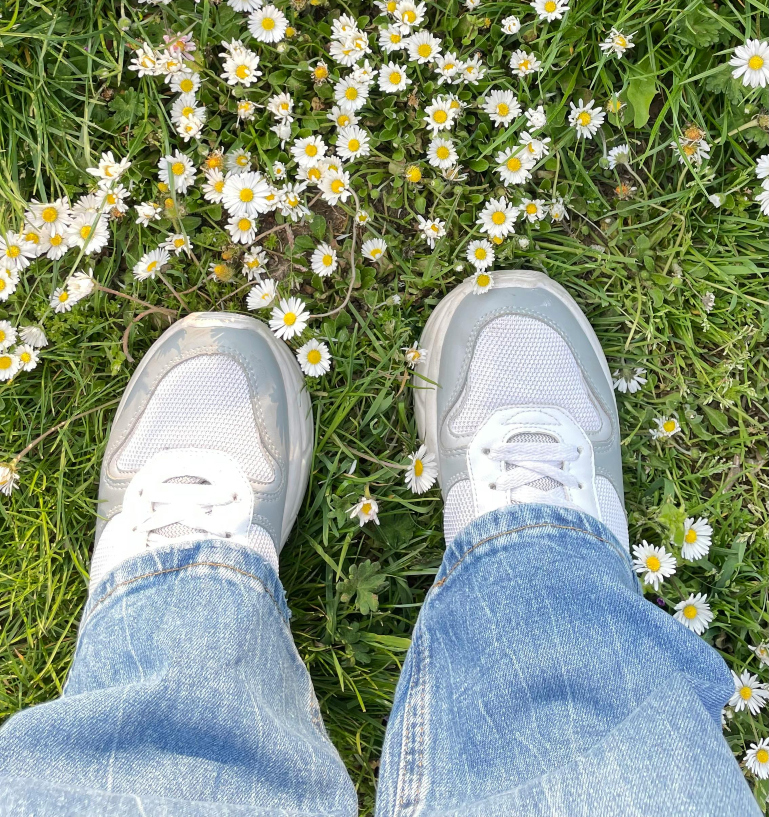
Here are some ideas of how you can stand more this week

  1. Stand while on the phone.
  2. Stand at the kitchen counter when using electrical devices.
  3. Stand while ‘crafting’.
  4. Stand in front of the TV or Youtube
  5. Stand doing chores around the home – sprinkle them throughout the day
  6. Stand and take a ‘power pose’ or mountain pose
  7. Stand for 5-minute meditate or listen to short guided visualisation
  8. Stand and perform breathing exercises 
  9. Standing desk – if you work from home this is a great investment.

Challenge 3 – Active sitting Ideas 

Active or dynamic sitting is where you include frequent micro movements while sitting for long periods of time. 

The benefits include improved posture (back, neck, shoulder pain), core-strength and circulation (cardiovascular/heart health).

Seated workouts are a very popular solution for those with restricted mobility or who need to sit for long periods for work. Full Seated-Workouts are classed as formal exercise (which you can also include) YouTube examples Here, here & here.

You can use these workouts for ideas to create micro 2-minute active sitting movements.

Active sitting (fidgeting while seated) burns extra calories (energy expenditure) and if you can move your legs while seated this increases by 20-30%

65-non-exercise-movement-Ideas

Here are 20 ideas to include for micro-active-sitting 

  1. Seated arm rows
  2. Overhead arm raises
  3. Knee lifts
  4. Knee extensions
  5. Seated chair march
  6. Arm swings
  7. Arm reaches
  8. Toe taps
  9. Seated cat cow stretch
  10. Chair forward bend
  11. Chair spinal twist
  12. Neck stretches
  13. Seated Eagle arms Seated bent over rows
  14. Seated shoulder press
  15. Seated bicep curls
  16. Seated triceps extensions 
  17. Rocking Foot stool such as HERE
  18. Under-desk-pedal-bike – Try This.
  19. Office ball chair example Here
  20. Saddle chair

“It’s 100% free—no strings attached.”

Challenge 4 – Ideas to Include More Calf Raises

Calf raises not only burn calories but also strengthen calf muscles which improve lower body function, improve stability and reduce risk to sprains and strains.

Calf-raises also support the ankle and knees.

These can be done seated or standing, on a step and with dumb-bells. 

Remember the Non-Exercise goal is micro 2-minute sessions throughout the day.

Read or watch BELOW how to perform calf raises

How to do simple calf raises

  • Sit or stand with both feet on a flat surface with your toes pointed straight ahead.
  • Lift one or both heels off the floor to flex your calf muscle.
  • Pause for moment, then slowly return to the floor. That’s one rep.

Here are Calf-Raise Variations and Ideas

  1. Lifting both heels together
  2. Lifting one calf at a time (alternate)
  3. Turn feet inward slightly
  4. Turn feet outward slightly 
  5. Add light weights while you perform calf raises
  6. Use a low step to create more of a stretch.

Challenge 5 – Increase daily walking, bending, stretching, twisting.

These are the well-known examples of NEAT movement. The little every day activities and tweaks you can make to gently increase your movement without formal exercise to burn more calories and boost your well-being.

65-NON-EXERCISE-MOVEMENT-IDEAS

How many of the following ideas can you include today?

  1. Pace when you take a phone call.
  2. Park further away so you walk more steps.
  3. Identify where you could stand more in your normal day.
  4.  Housework counts as NEAT – can you increase your daily cleaning activity? How many 5-minute chores can you complete in a day?
  5.  Walk with friends and family
  6. Walk the dog
  7. Clean the car
  8. Gardening counts as NEAT – how many 5-minute jobs can you complete today?
  9. Cooking and clearing up counts as NEAT
  10. Walk whenever you have the choice
  11. Having a shower counts as NEAT
  12. Dancing 
  13. Spending time with kids
  14. Getting up and making a drink
  15.  Warm-up movements from a workout
  16. Squats
  17. Arm swings
  18. Stretch while watching tv
  19. Take the stairs whenever you can

Summary

Whew well done you made it to the end! So that wraps up my 65 Fun Non-Exercise Movements Ideas to inspire you to take the Challenge HERE

Well done image in Make Self Care Simple brand colours – completion of 28-day self-care challenge
Well-done! You have completed another step towards making selfcare simple

You’ve already started thinking about how to care for your body’s everyday needs — why not make it easier to stay consistent? The toolkit shows you exactly where to start

Free Self-Care Start-Up Toolkit

Turn inspiration into action — with a simple system that helps self-care finally work with your body, not against it.

If you’ve been reading along and thinking, “I’d love to try this myself one day…” — you don’t have to wait, or wonder where to start.

The Free Self-Care Start-Up Toolkit gives you the gentle structure to make your first challenge easy, personal, and effective.
It’s the same step-by-step approach I use when following the challenges alongside you — so you’ll feel supported every step of the way.

Inside, you’ll find:
🌿 A gentle Before Assessment to pinpoint what your body truly needs — so you can stop guessing and start seeing real results
🌿 Step-by-step guidance (plus short video walkthroughs) to choose the right self-care challenge for your needs — and actually complete it.
🌿 Printable planners, reflections, and trackers to help you stay consistent
🌿 Access to our private community (coming soon!) — for gentle accountability and encouragement

You’ll also receive:
💌 Weekly self-care reminders, new challenges, and encouragement in the Make Self-Care Simple newsletter
🪴 Access to our free private community — where women share progress, celebrate wins, and remind each other we’re not alone

👉 Send Me My Free Toolkit

(Part of the Practical Self-Care Pathway — build habits that support your body’s natural balance.)

“Instant access—start your challenge today.”

A Personal Note

As far back as I can remember, the moment I stepped inside a wood, forest, or even a small spinney, I immediately noticed a shift — both in my surroundings and within myself. The tall, cathedral-like acoustics, the soft feel underfoot, and that earthy, grounding scent all seem to whisper, slow down, you’re safe here.

My breathing naturally becomes deeper, and for me, there’s always a feeling of profound inner peace. (Proper footwear helps too — this is the UK, after all, and muddy serenity is still serenity.)

This challenge is about mindfully harnessing that experience — learning how to use your local wood or forest as a natural way to recharge, refresh, and reset.

There are so many different self-care practices that help with stress, and I’ve tried many of them. But forest bathing remains a favourite because it’s simple, deeply restorative, and reconnects you with something far bigger than stress. And if you can’t travel or have mobility challenges, don’t worry — I’ll share ways to create your own garden bathing experience too.

Join me in the woods for a few moments!

What Is Forest Bathing?

Forest Bathing, or Shinrin-yoku, began in Japan in the 1980s as a response to rising stress, anxiety, and fatigue among workers. It’s a mindful sensory practice that helps you slow down and reconnect with nature. You walk or sit quietly among trees, noticing the sounds, sights, scents, and textures that surround you.

In essence, it’s not about doing, but about being — allowing the forest to hold you while you let go of daily noise and demands.

The Science Behind Forest Bathing

Trees release natural compounds called phytoncides — aromatic chemicals that protect them from insects and disease. When we breathe them in, studies show they help lower cortisol levels, reduce inflammation, and support the immune system.

Forest bathing also activates your parasympathetic nervous system — the part that signals rest, repair, and recovery. Just 30 minutes among trees can calm the mind and body, even when life feels chaotic.

When to Try Forest Bathing

You might choose forest bathing when you feel drained, overwhelmed, restless, anxious, or low in mood. It’s equally beautiful when life feels steady — as a way to maintain your inner balance and refresh your energy.

Whether it’s the crisp quiet of winter, the soft greens of spring, the shade of summer, or the glow of autumn, each season brings its own kind of healing.

Prepare for Your Forest Bathing Experience

Choose Your Location.

You don’t need a vast forest — a local wood, park, or even a group of trees can work beautifully.

Helpful Resources:

Woodland Trust – UK

National Trust – UK

Forest bathing in Europe

Find a Forest – USA

Plan Ahead: Check the weather and dress for comfort. Let someone know where you’re going if you’ll be alone. Bring water, a small snack, and something dry to sit on. Switch your phone to silent once you arrive — this is your time to disconnect.

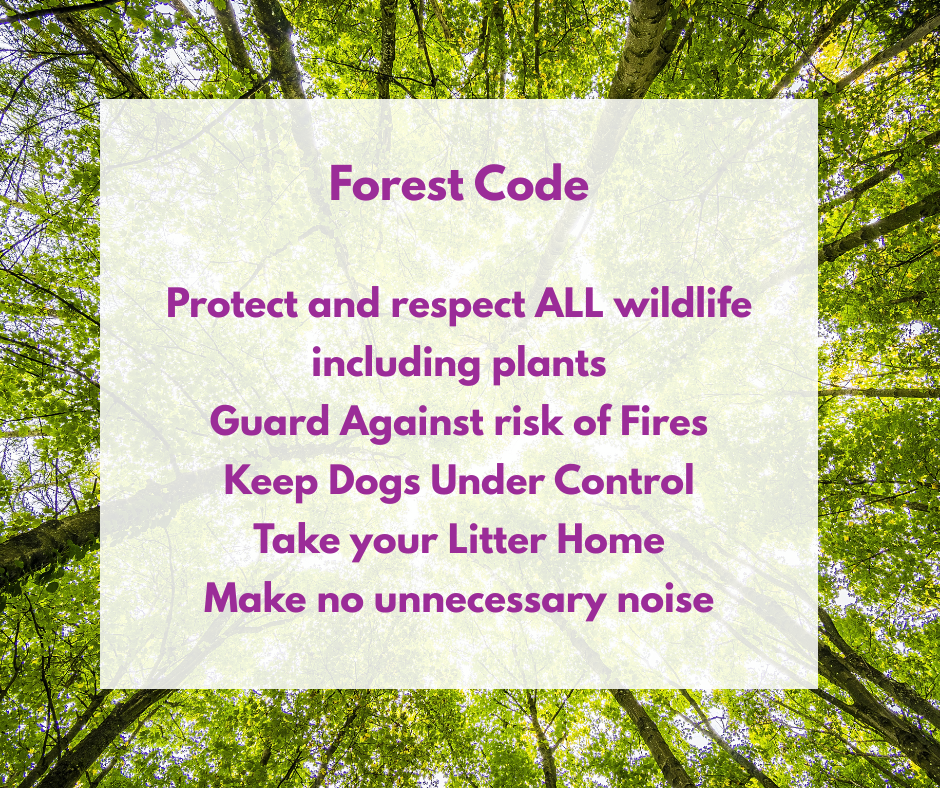
The Forest Code

Here is a reminder of The Forest Code

Forest code

When you Arrive

Pause for a moment at the entrance. Notice the shift in light, sound, and energy as you step into the trees. If you’re with a friend, agree on a time to meet again, then give each other space to explore quietly.

You might begin with a simple intention, such as: Today I give myself permission to rest or I open myself to peace and renewal.

Set an intention forest bathing plan

Your Forest Bathing Plan

Forest bathing usually includes two gentle parts: Slow Walking and a Sit Spot.

Slow Walking

Move slowly — far more slowly than usual. Let yourself pause often and use your senses as guides.

  • Sight: Notice colours, patterns, and movement.
  • Sound: Listen for birdsong, rustling leaves, wind through branches.
  • Smell: Breathe in the earthy scent of soil, bark, or moss.
  • Touch: Feel textures — the ground under your feet, the bark of a tree, the air on your face.

Mindful Walking: Bring your awareness into your body. Notice how your shoulders, arms, and legs move. When your mind wanders, gently bring it back to what you feel underfoot or the rhythm of your steps.

Tree Connection: You can gently lean against or embrace a tree and simply breathe. It’s a lovely way to connect, release tension, and absorb the grounded calm that trees naturally offer.

Find your Sit Spot

Find a quiet place to sit for 10–30 minutes — a fallen log, a bench, or a picnic mat. Observe everything around you: light, texture, patterns, movement, and sound.

You might choose to journal or sketch what you notice, meditate or pray, enjoy a mindful snack, or simply sit and breathe. There’s no right way to do this — your only goal is to be fully present.

Gratitude Walk Back

As you slowly walk back, take a few moments to reflect. How do you feel now? What did you notice or appreciate? Which tree, plant, or sound stood out to you? End with a small inner thank you — for the forest, for yourself, and for the moment you took to rest.

Forest bathing plan makeselfcaresimple

Garden Bathing (Home Practice)

If you can’t get to a forest, you can still enjoy a mini version of this practice at home. Sit near a tree in your garden or balcony, or near a window with a view of greenery. You can even connect with a houseplant or recently planted tree — research shows that proximity to plants still helps calm the nervous system.

Use the same approach: slow down, breathe, notice, and appreciate.

Final Thoughts

Forest bathing is a beautiful, accessible way to reset your mind and energy — no special skills or travel needed. Try it once a week or even once a month, and notice how you feel before and after. Keep a small journal or voice note to record your reflections.

For me, forest bathing is both restorative and preventative. It helps me reconnect with peace — whether I’m walking under summer leaves or through the quiet, rain-soaked woods of winter. Will you try forest bathing? I’d love to hear what you discover.

Remember, muddy boots and messy hair still count — what matters is that you showed up.

Will you try forest bathing? I’d love to hear what you discover.

Well done image in Make Self Care Simple brand colours – completion of 28-day self-care challenge
Well-done! You have completed another step towards making selfcare simple

You Felt a Small Shift Today… Let’s Help You Keep It

That small shift — whether it was a moment of calm, a little more energy, a sense of relief, or simply feeling more like yourself —
that is where meaningful change begins.

But on low-sparkle days, it’s easy to lose that feeling.
Motivation dips first.
Overwhelm creeps in.
And even the gentlest intentions fade.

Your body doesn’t need pressure or perfection.
It needs one easy mini practice you can return to — especially on days that feel heavy, uncertain, or tense.

The Free Self-Care Start-Up Toolkit helps you turn “I want to feel better” into one easy, real-life step — by helping you choose and begin a challenge you can actually use when your mood dips.
Most people like to complete it over a relaxed weekend, and it includes short step-by-step videos and simple printables to help you begin gently.


Download the Free Self-Care Start-Up Toolkit

A calm, supportive starting point for your first Align & Uplift practice.

Inside, you’ll gently discover how to:
🌿 understand where you might need emotional or energetic support
🌿 choose one tiny Align & Uplift practice that fits your real life
🌿 begin without pressure or relying on willpower
🌿 notice subtle shifts that help you feel lighter and more grounded

You’ll also receive:
✉️ weekly reminders to support your consistency
💬 access to our private community (coming soon)


👉 Send Me My Free Toolkit

(Part of the Align & Uplift Pathway — reconnect with calm, joy, and emotional balance)

Real self-care is about listening to yourself.
Because being healthy isn’t always easy — but it can be made simple.

Free Self-Care Challenge Toolkit

Make Self Care Simple shares general self-care education for inspiration only. I’m not providing medical advice — always check what’s right for you with a qualified health professional.

©2025 Make Self Care Simple.

Download or print your Reminder Here

How to Plan your First Forest Bathing Experience – Ready to Recharge & Feel Refreshed.

Print or Save as PDF

Notes

Printable Summary – Forest Bathing “Recipe”

Goal: Recharge, relax, and refresh your energy through mindful time in nature.
Duration: 30–60 minutes (or longer if you wish)
You’ll need: Comfortable shoes, water, mat or chair, journal, weather-appropriate clothing
  1. Choose a forest, wood, or tree-filled area
  2. Set a simple intention
  3. Walk slowly and use your senses
  4. Find a sit spot to pause and reflect
  5. End with gratitude and appreciation
 
Feeling inspired? Join the Make Self-Care Simple newsletter for gentle self-care ideas, new challenges, and community support.

Find vegetables boring?

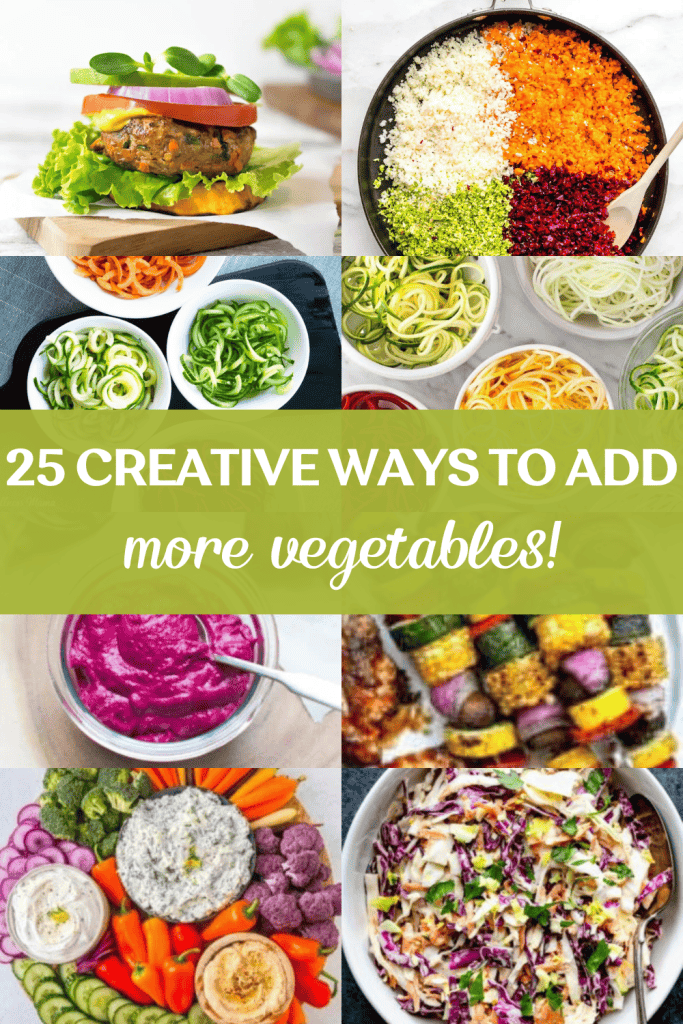
Discover this round up of 25 creative ways to add more vegetables to your diet.

I personally found that some of the vegetables that could support my health needs the best, were not always my favourites.

So I would avoid including them, even though they might help.

Many of us want to include more vegetables, but struggle for different reasons, which is why I created the 28-day-Eat-More-Vegetable-Challenge.


Hey! Before You Save These Recipes for “Later”…

Here’s a Tiny Step That Helps You Actually Use Them**

Most of us collect healthy recipes with good intentions — and then real life takes over.
If you’d love a simple way to turn inspiration into something your body actually gets to enjoy, start with the Free Self-Care Start-Up Toolkit.

👉 Download the Toolkit (free)

Check out the amazing recipes and creative food bloggers below!

1.      Hide them in curries

hungryhealthyhappy.com suggests

A super easy and healthy Slow Cooker Chicken Curry that takes less than 5 minutes to prep. Easy to adapt, lots of green vegetables and it freezes well too. A tomato based, creamy curry sauce with tender chunks of chicken and some spinach for a green boost. A family favourite with minimal effort!

I have to be careful with spices as many are high histamine but I have found I can tolerate moroccan spices. How about you?

2.      Hide them in mash

carefreekitchen.com suggests

These creamy Mashed Root Vegetables make for a simple, delicious, and unique side dish to serve with any fall meal.  This recipe is hearty, healthy, and pairs well with just about anything.

Vegetable mash is one of my regular go-to weekly recipes, so many herb options and always comfort food!

3. Chuck them in a smoothie

perrysplate.com says

A green smoothie recipe that actually tastes good? Yep. If you’re new or resistant to drinking things like this, this is the perfect green smoothie to break you in. It’s loaded with healthy greens and three kinds of vegetables, and I swear it doesn’t taste like compost.

Many years ago I did an infamous radio interview making a green smoothie on air live!

Lets just say there was green smoothie everywhere!

4.      Hide in homemade burgers

Reclaimingyesterday.com says

These burgers are sort of a cross between a real burger and a veggie burger. The veggies allow you to use less meat, plus they add extra nutrients and help flavor the burgers and keep them super juicy. WINNING. These burgers are easy for reals.

This is definitely on my ‘to-try’ list for summer!

5.      Use small vegetable pieces as an alternative rice option

cottercrunch.com says

Learn how to make riced veggies to use in your favorite healthy recipes! Ricing vegetables is quick and easy to do, and it costs less than buying them at the store!

So many great ideas here instead of my usual peas and sweetcorn that I will be adding to my list.

Let me know which ones you tried!

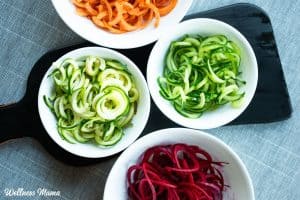
6.      Thinly slice vegetables as an alternative pasta

wellnessmama.com says

Veggie noodles are an awesome alternative to pasta — they’re great if you have a gluten sensitivity and avoid it or if you want to add more vegetables to your family’s diet.

Another great summer/autumn idea I will be addingthey look so beautiful!

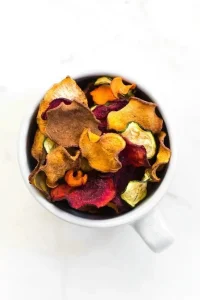
7.      Make vegetable chips and crisps

The bigmansworld.com says

These veggie chips are a Crunchy, crispy and a guilt-free snack that takes just 20 minutes to make! Low in calories and fat, and so much better than store bought.

Don’t these look amazing?

Such a treat!

Don’t forget kale chips too!

8.      Add spinach or greens sheets to lasagne.

foolproofliving.com says

Vegetarian Zucchini Lasagna is a rich yet healthy alternative to traditional lasagna recipes. This low-carb dish uses zucchini “noodles” instead of pasta noodles.

This seems like a simple swap that allows you to enjoy a favourite treat.

And you are adding healthy vegetables!

9.      Add finely chopped veggies to favourites like tacos, bolognaise, chilli

madaboutfood.co says

Use this Hidden Veggie Turkey Tacos recipe to sneak some extra veggies into homemade ground turkey taco meat. Your friends and family won’t even know that they’re eating zucchini and cauliflower with their meat.

Perfect way to disguise less than favourite vegetables!

This sounds like a great excuse for a family taco or chilli night?

10. Add vegetables to egg omelette, frittata and quiche recipes

erinliveswhole.com says

Fuel your body in the morning with some high protein and a variety of veggies… All thanks to this flavorful veggie frittata recipe.

Variations of this has been my breakfast option for years – super filling!

I freeze some of the portions ready for later in the week.

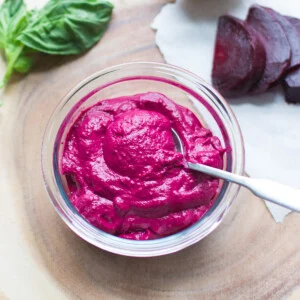
11. Hide in a pasta sauce

mjandhungryman.com say

Made with simple, wholesome ingredients, this beet pesto pasta sauce comes together in minutes and makes for the perfect pasta sauce for babies, kids, and adults!

The colour of beetroot looks so vibrant – can’t wait to try this one!

12. Vegetable tray-bake meals

thehappyfoodie says

Cauliflower, onions and homemade turkey kofta are tossed in a quick spice mix and baked in the air fryer in this simple one basket meal.

Vegetables and Airfryers seem like a match made in heaven!

13. Create vegetable kebabs

foodiecrush.com

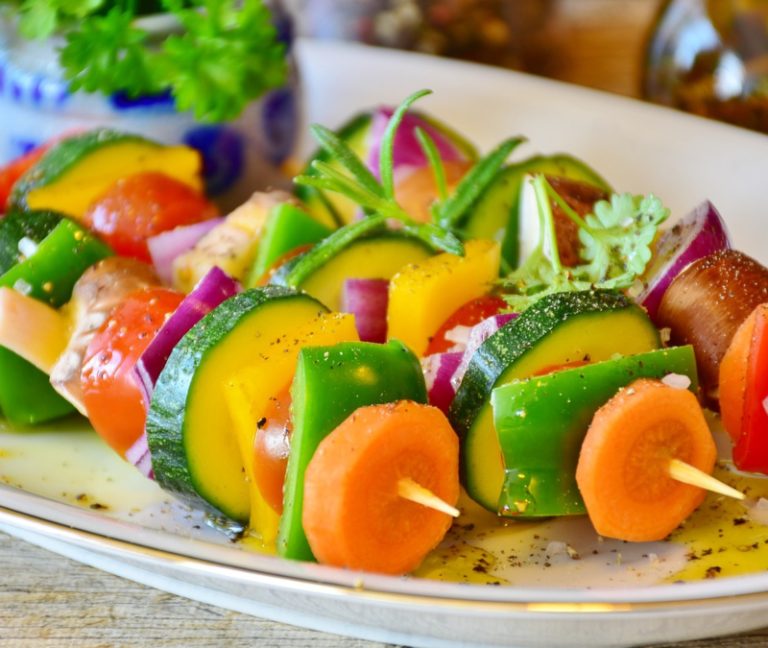
says Grilling vegetables skewers seems like a no-brainer, but there are a few tricks to making them a simple success every time.

Definitely need to go check out their grilling vegetable tips!

14. Roast them with delicious seasonings

kimscravings.com says

These are the BEST Roasted Vegetables and my go-to side dish when I need something easy that pairs well with almost anything. 

The flavour options are endless and delicious!

Bake-tray meals are perfect for easy clean-up…

15. Make vegetable dips and hummus.

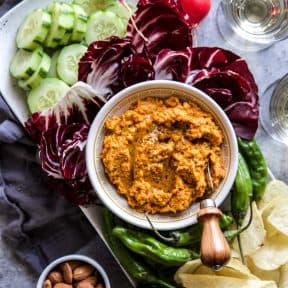
thecuriousplate.com says

Easy Smoky Carrot Dip is a delicious dip that’s great as a snack and fancy enough as a holiday appetizer!

I am always on the look out for new ideas for dips and such a clever way to hide vegetables!

16. Stuff peppers, sweet potatoes, squash, or courgette

tastesbetterfromscratch.com says

This healthy Vegetarian Stuffed Peppers recipe is packed with rice, beans, veggies, and so much flavor. It will leave you satisfied and energized and are so easy to make!

Such a classic favourite, as I currently can’t eat peppers I could swap sweet potatoes…always options!


17. Create rainbow salads

shelikesfood.com says

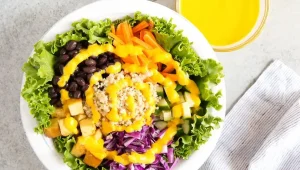
This Beautiful Rainbow Veggie Salad is packed with healthy fruits and veggies and goes great as a side salad or a main dish with some added protein!

How amazing does a rainbow salad look?

18. Create a coleslaw mix

healthyseasonalrecipes.com says

This healthy coleslaw recipe really is super easy peasy to make, and it is completely classic tasting.

Another of my comfort foods……!

The humble cabbage has so many benefits and you can adjust the dressing so it supports your health needs.

19. Quick stir-fries

budgetbytes.com says

We love a good “catch-all” recipe here at Budget Bytes, and a simple vegetable stir fry is the perfect example of that. 

Another family classic!

If you buy or DIY ready prepared vegetables stir fry is a super quick evening meal

20. Easy lettuce wraps

therecipecritic.com says

Healthy and easy, these Chicken Lettuce Wraps are so fresh and delicious! They’re ready in under 30 minutes with a juicy chicken filling and crispy butterhead lettuce.

As someone who has to avoid gluten and wheat it’s easy to forget there are simple veggie alternatives!

21. Vegetable Crudites & dip

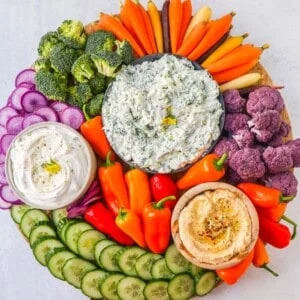
modernhoney.com says

How to make a beautiful Crudite Platter with vegetables and dips. I am sharing my favorite veggie dip recipes, what vegetables to put on a veggie tray, and how to arrange one.

I need to learn how to make my vegetables look beautiful!

22. Throw vegetables on the BBQ

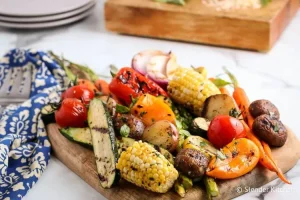
slenderkitchen.com says

Grilled vegetables are the perfect summer side dish! Learn how to grill almost any vegetable from asparagus to zucchini to corn, onions, peppers, potatoes, mushrooms, and more. Delicious recipes, seasoning options, serving ideas, and more. 

Amazing! Now we just need the sun…in the UK

23. Add vegetables to one-pot casseroles (slow-cooker)

tamingtwins.com says

Slow Cooker Beef Stew or Slow Cooker Beef Casserole? Whatever you call it, it’s comfort food at its very best. A hearty meal packed with flavour, vegetables and rich gravy for the whole family.

Stews or Casseroles are real comfort food in my home.

And so easy to hide a few veggies!

24. Make vegetable dressings and seasonings

forksoverknives.com says

Fresh carrots combine with a touch of tahini in this nutrient-rich, creamy carrot-gold-dressing. The hint of ginger adds a beautiful flavor boost. Try this on grains, too!

One I will be trying!

25. Vegetable noodles

loveandlemons.com say

Did you know that you can make veggie noodles out of cucumber, carrots, kohlrabi, and more? We’ve all heard of zucchini noodles by now, but lots of other vegetables can transform into curly, colorful noodles too! 

How colourful do these look? pretty sure they would transform a noodle bowl recipe!


Before You Save This Recipe for “Later”… Let’s Make Nourishment Something You Actually Get to Enjoy

If this recipe has inspired you, that’s a wonderful place to begin.
But if you’re like most of us, inspiration often ends up saved, pinned, or bookmarked — without ever becoming something your body actually gets to enjoy.

Your body doesn’t need more saved ideas.
It needs one small, supported step that fits your real life.

The Free Self-Care Start-Up Toolkit helps you turn that “I’ll try this recipe one day” thought into one easy, real-life step that actually nourishes you.

Most people like to complete the Toolkit over a relaxed weekend.
It includes short step-by-step videos and simple printables to guide you through choosing your first gentle challenge and preparing to begin without pressure or perfection.


Download the Free Self-Care Start-Up Toolkit

A calm, personalised starting point for your first Nourish challenge.

Inside, you’ll gently discover how to:
🌿 understand what your body may be asking for
🌿 choose one tiny Nourish step that fits your real energy and routine
🌿 begin your first challenge in a way that feels safe and achievable
🌿 notice small benefits without relying on willpower

You’ll also receive:
✉️ monthly Nourish themes & reminders
💬 access to our private community (coming soon)

👉 Send Me My Free Toolkit

(Part of the Nourish Pathway — helping you move from saving recipes to actually using them in a way that supports your wellbeing.)

Free beginner-friendly guide!

“It’s 100% free—no strings attached.”

Hiding veggies isn’t just for fussy children — some days, it’s for us too.

You know vegetables are good for you… but let’s be honest: sometimes they’re boring, sometimes they’re too much effort, and sometimes they just sit in the fridge until they go squishy and guilt-shaped.

Maybe you’ve been told to eat more veggies for your health, or you’ve noticed certain ones help ease your symptoms.
Maybe you simply want to swap a few processed foods for something fresher — without needing a chef’s knife skills or a new personality.

Whatever your reason, this challenge is your gentle nudge to experiment, simplify, and actually enjoy your vegetables — no spiralizers or fancy prep required.

There are countless benefits to eating more vegetables — but the only real way to find out what difference it makes is to try it, track it, and see how your body responds.

So, whether you’re blending, roasting, sneaking, or hiding them under cheese, join us for 28 days of veggie exploration — and see just how much better you can feel (without giving up flavour or your sanity).

Want to save this challenge for later? Jump to the “Challenge Recipe” section below.
Jump to Recipe

About the Challenge

The 28-Day Eat More Vegetables Challenge is a fun, supportive way to get started and stay inspired.

At MakeSelfCareSimple, we always encourage you to discover what works best for you — no rules, no judgment. Each of us is unique, and there’s no one “right” way to nourish yourself.

If you’ve found that certain vegetables don’t suit you, or your practitioner has advised otherwise, always listen to your own body and professional guidance. In that case, simply skip this one and try another self-care challenge that fits you better.

If you’re new here, the Nourish Pathway is all about turning food restrictions into inspiration. Each month we focus on a theme, experiment with recipes, and support one another. Learn more here →

The 28-Day Eat More Vegetable challenge

The Aim

  • To increase the portion of vegetables in your daily meals for 28 consecutive days, and notice what changes you experience.
  • To discover simple, creative ways to include vegetables in your meals.

You can start any day that suits you — though giving yourself a few days to plan and shop can help.

This challenge has two parts:


How to do the challenge

For this challenge, I don’t count white potatoes (chips, mash, jacket, or new) as part of the “vegetable” portion — they can still be included as part of your meal. I do include frozen vegetables.

Your goal:
👉 Vegetables should make up at least 51% of your lunch and dinner plates every day for 28 days.

If that feels too much of a jump, start smaller — choose a target that feels doable but still challenges you.

You might decide to focus on specific vegetables that support an area of your wellbeing, or perhaps you’d like to do a mild “cleanse” with more raw salads, organic produce, or seasonal veg.

It’s your challenge — adapt and repeat it as many times as you like.
(And as always, check with your health professional if you have any concerns.)

The key is to see if your wellbeing feels different after 28 days.

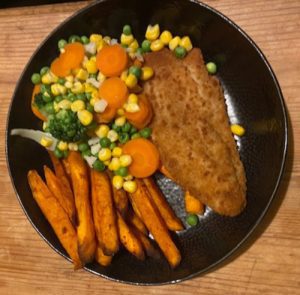
51% is easy to see on the plate!

vegetables-makeselfcaresimple

Before You Begin

Reflect on a few questions before you start — they’ll help you measure your “before and after” progress.

  1. What percentage of your meals currently include vegetables?
  2. What do you hope to experience by eating more vegetables?
  3. What might make this challenge difficult, and how can you plan for that?
  4. What are your current symptoms or wellbeing scores? (Record them now to compare later.)

📘 Tip: Use the Self-Care Challenge Toolkit to track your answers and results.

makeselfcaresimple
Read 25 ways to add more veggies to meals for more ideas!

Why do we struggle to eat more vegetables?

After working with clients for many years, I found that everyone has a few habits that are hard to change. That’s completely normal — and awareness is the first step to shifting them.

Common reasons include:

  • Vegetables feel boring, or tasteless. 
  • You don’t have time to cook or prep.
  • Family members have different preferences
  • You don’t like cooking, or your health makes it difficult, and prefer take-out and ready meals.

Identifying your likely hurdles before you begin helps you plan realistic solutions.

What to Prepare.

Before you start:

Stock up on vegetables you already like — and maybe a few new ones to try.

Choose your sources:

  • Supermarket or farmers’ market
  • Organic or local veg box
  • Frozen or pre-prepared mixes
  • Ready-to-use salad or stir-fry packs

List the vegetables you enjoy most, then plan meals that use them.
Start with familiar meals and simply increase the vegetable portion.
Gradually try new combinations or cooking methods from the 25 Ways to Add Veg.

28-day eat More vegetables Challenge makeselfcaresimple.com

If you struggle for Time

You’re not alone! This was always my biggest challenge, especially when I was working long hours and managing fatigue.

Some ideas to make it easier:

  • Cook extra at dinner for next day’s lunch or freeze portions.
  • Have one or two prep sessions each week.
  • Use frozen or pre-chopped vegetables and salad mixes.
  • Prep veg right after shopping and store ready-to-use.
  • Batch cook staples (grains, proteins, soups) and build meals from there.

If you don’t enjoy cooking

Sometimes cooking can feel like another chore that has to be done. Cooking and prep can be difficult when you are in pain, have mobility issues or are exhausted.

Boring-veg-makeselfcaresimple

Here are some ideas I have tried.

  • Make use of the many gadgets available to protect hands and save time
  • Transform preparing meals from a chore to ‘me-time’ – listen to music, podcasts or audio books.
  • Get a stool and perch if standing is painful.
  • Don’t stand for too long in one position – do a 2-minute march, stretch etc.
  •  Cook with a friend! If not in person perhaps you can video chat together?
  • Order meals with plenty of vegetables that are ready-prepared-for-you
  • Take it in turns to cook for each other.


If Vegetables feel Boring

If eating more vegetables could improve your health and wellbeing, it would be a shame if it felt like punishment! I know if faced with half a plate of brussel sprouts twice a day was my solution I would soon give up.

The easiest solution is to hide vegetables in meals that you already enjoy.

I have put together 25 different ways to hide vegetables and found creative recipes from food bloggers.

Use this list as inspiration, and adapt to your preferences and needs.

I’ve put together a list for you HERE

Conclusion — Progress, Not Perfection (and Definitely No Guilt)

Congratulations on completing your 28-Day Eat More Vegetables Challenge!

Whether you’ve become a salad superstar or just managed to sneak spinach into your soup without anyone noticing — it all counts.
Every extra handful of greens, every new recipe, every colourful plate has helped your body in ways you might not even realise yet.

Remember, the goal wasn’t to eat perfectly — it was simply to make your lunch and dinner plates 51% vegetables (not counting potatoes!) and to have fun exploring what works for you.

If your fridge still contains green things at the end of the week because you actually used them — that’s a win.
If you learned a few new ways to make veggies less boring or less time-consuming, even better.

Now it’s time to reflect:

  • What changed in your energy, digestion, mood, or skin?
  • Which recipes or habits did you enjoy most?
  • Will you continue eating this way?

Every self-care challenge teaches you something new about your body — and builds confidence in your ability to create change.

I’d love to hear what you discover — share your results in the comments or our community!

Well done image in Make Self Care Simple brand colours – completion of 28-day self-care challenge
Well-done! You have completed another step towards making selfcare simple

Everything You Need to Start Today

Let’s be honest — most of us love reading about self-care more than we love doing it.
(Don’t worry, you’re in good company — I have a whole library of forgotten Pinterest Boards too)

But reading about self-care won’t get you results — your body only learns when you experience something new.
That’s why I created the Self-Care Start-Up Toolkit — to help you turn ideas into action with simple, nourishing steps you can start today


Free Self-Care Start-Up Toolkit

A gentle way to begin your first challenge with clarity and confidence.

If you’ve been reading along and thinking,
“I’d love to try this myself one day…”
you don’t have to wait or wonder where to start.

The Toolkit gives you a calm, clear place to begin — including short videos, simple printables, and gentle guidance to choose your first challenge in a way that feels personal and doable.


Inside, you’ll find:

🌿 A gentle before-and-after reflection to help you understand what your body may need
🌿 Short video walkthroughs to help you begin your first challenge without overwhelm
🌿 Printable planners and reflection pages to support consistency
🌿 Space to explore what feels nourishing and achievable for you

You’ll also receive:
💌 Weekly self-care reminders, new challenges, and encouragement
💬 Access to our free community (coming soon!) — for gentle support and shared progress

👉 Send Me My Free Toolkit

🌸 Nourish Pathway — simple ways to feed your energy and wellbeing with kindness.

Get results without overwhelm—one small, doable step at a time!


Make Self Care Simple shares general self-care education for inspiration only. I’m not providing medical advice — always check what’s right for you with a qualified health professional.

©2025 Make Self Care Simple.


Save or Print a summary of this challenge with the ‘Challenge recipe’.

28-Day Eat More Vegetables Challenge

Prep Time1 day
Total Time28 days

Equipment

  • 1 peeler
  • 1 knife
  • 1 food processor Optional
  • 1 masher
  • 1 spiraliser

Materials

  • 1 Vegetables which do you like/need?|

Instructions

  • Increase the vegetable portion or lunch & dinner to 51%

Notes

28-day Eat More Vegetables Challenge

The aim of this challenge is to increase the vegetable portion in your daily meals for 28-consecutive-days to see what improvements you notice in your wellbeing.
Another aim of this challenge is to discover creative and simple ways to include vegetables in your daily meals.
Why do you struggle to eat vegetables?
List and score your symptoms before and after the challenge.
Plan meal ideas for the week/month.
The specific goal is that vegetables make up over 51% or over, of your lunch and dinner meals. Every single day for 28 days.
Log your daily progress (see the free printable in Selfcare Startup kit)
Note which recipes you enjoyed the most
What improvements do you notice?
Will you keep this self care practice as part of your regular routine?