Tag

low mood

Browsing

When your energy is low, even a small mess can feel impossible to face. That’s why I love helping people declutter with the Moon — a gentle, monthly routine that guides you to release clutter one small step at a time, without feeling overwhelmed. Over the year, these little steps add up, turning even the most cluttered corners into calm, manageable spaces.


My Sparkly Sandal Moment

All I needed was my sparkly sandals from last summer.
I was already running late, so I grabbed at the bottom of my wardrobe—only to end up surrounded by shoes, bags, and impulse buys. One sandal in my hand, five minutes late, and a familiar wave of frustration rising.

This wasn’t the first time clutter had tripped me up.
Sound familiar?

Jump to Recipe

Why Decluttering Feels So Hard

When you experience a ‘bad’ day, energy, health or mood is low, the thought of decluttering can feel impossible. You know the clutter is there — the messy corner, the overstuffed drawer, the wardrobe you avoid opening — but even thinking about sorting it feels overwhelming.

You tell yourself you’ll tackle it “one day,” but life, health, and mood get in the way. And the longer it waits, the heavier it feels.

 Here’s the truth: you don’t need to fix everything at once. Small steps, taken regularly, make the difference.

That’s why I love using the Last Quarter Moon as a monthly reminder. This lunar phase is all about release and letting go — the perfect energy to clear just one small space at a time. Over a year, those little steps add up to a calmer home and a lighter mind.

This isn’t about perfection. Which is the last thing you need when you are in the middle of a low health, energy or mood phase.

It’s about reclaiming peace, little by little, with the moon as your guide.

What is Clutter, Really?

At its simplest, clutter is:

  • Stuff that hasn’t been put away.
  • Items you haven’t decided about yet.

But clutter is personal:

  • Some see a messy desk, others see a creative workspace.
  • Hidden clutter (drawers, wardrobes) weighs heavily too.
  • Impulse buys, retail therapy, and “just in case” purchases quickly pile up.

Why Clutter Builds Up

Turns out that there are reasons why we have clutter!

It’s not laziness. Clutter often happens because of:

  • Low energy or time.
  • Decision fatigue.
  • Emotional ties or guilt.
  • Not knowing where to store things.
  • Buying too much without clearing space first.

Something I found helpful is to ask yourself:

  • Do I use it, need it, or love it?
  • Am I keeping it for the past, future, or guilt?
  • Does it actually have a place in my home?

The Emotional Side of Clutter

Human emotion mind map, positive and negative emotions, flowchart concept for presentations and reports

Clutter isn’t just untidy—it impacts how you feel.

  • It sparks guilt, stress, or shame.
  • Negative self-talk (“I should have done this already”) makes it worse.
  • Decluttering, even a small win, brings calm and control.

As my (tidy) mum says: “When my space is tidy, it feels like everything in my world is alright.”

Benefits of Decluttering

If you still need some convincing or want to have some handy areas to assess your ‘before’ and ‘after’ results with your declutter challenge, I’ve listed some common benefits you can score for yourself.

Physical

  • Find what you need quickly.
  • Feel at ease with surprise visitors.
  • Boost energy and sleep better.

Emotional

  • Reduce guilt and overwhelm.
  • Increase confidence and self-worth.
  • Enjoy the satisfaction of completion.

Deeper

  • Release the past and make space for new.
  • Break cycles of procrastination.

Feel lighter, clearer energy in your space.

Short on Time?

You can jump straight to the ‘Recipe’ below.

These quick mood boosters come from the Align & Uplift Challenges, a collection of 5-minute self-care practices you can use anytime to raise your vibration, release stress, and reconnect with your best self.

Jump to Recipe

Why Declutter with the Moon?

Decluttering works best as a rhythm, not a one-off.

The Last Quarter Moon (half-moon with the right side dark) is linked to:

  • Releasing and letting go.
  • Emotional cleansing.
  • Reflection and reassessment.

 It’s the perfect time to declutter.
Each month, this moon phase gives you:

  • A natural reminder.
  • Supportive “letting go” energy.
  • A chance to focus on just one small step.

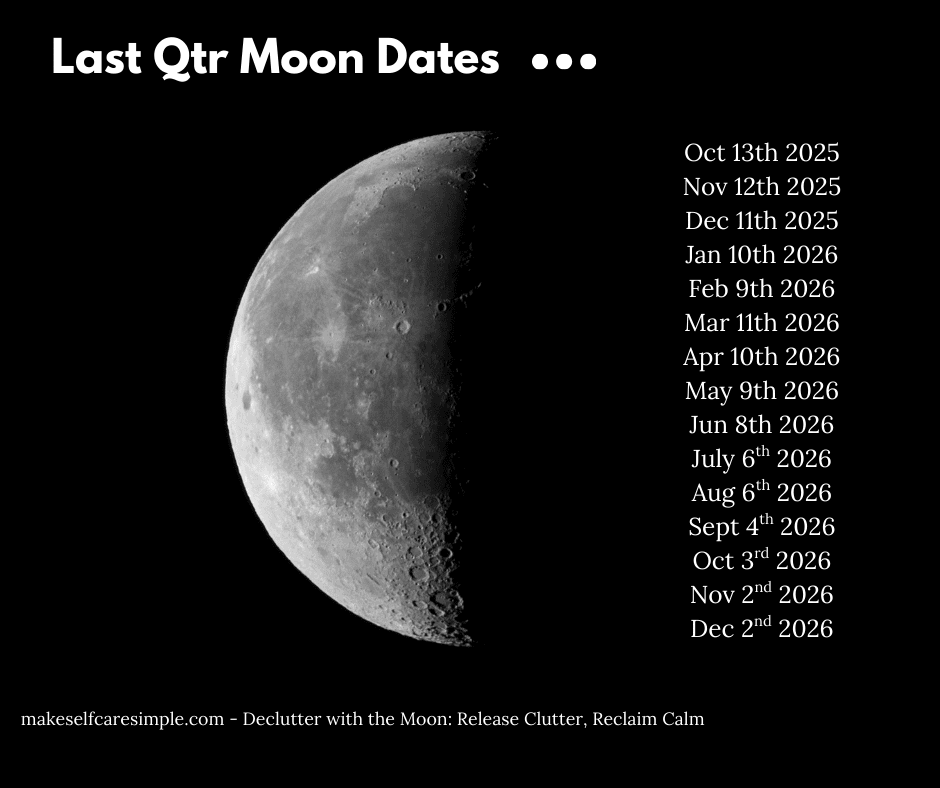
Last Quarter Moon Dates (UK, 2025–2026)
How to Join the Monthly Declutter Challenge

Step 1: Prepare

  • Note the dates in your diary.
  • Pick one small area (drawer, shelf, bag).
  • Choose a realistic time (30–60 minutes is enough).
  • Gather bags/boxes: Keep / Donate / Bin.
  • Set up with a drink, timer, and music.

Step 2: On the Day

  • Set an intention: “I release what no longer serves me.”
  • Declutter your chosen area.
  • Put items straight into their new home, donation bag, or bin.
  • Stop when your time is up.

Step 3: Celebrate

  • Notice how the space feels.
  • Breathe and enjoy the calm.
  • Remember: one drawer today = more peace tomorrow.

Quick Decluttering Tips

Struggling to get started? These tips can help!

  • Start small — one drawer, shelf, or type of item.
  • Ask: Do I use it, need it, or love it?
  • Hesitating? Decide: Keep, Donate, Bin.

Be kind to yourself — you’ve already had value from items, even if you let them go now.

What to Declutter (Ideas List)

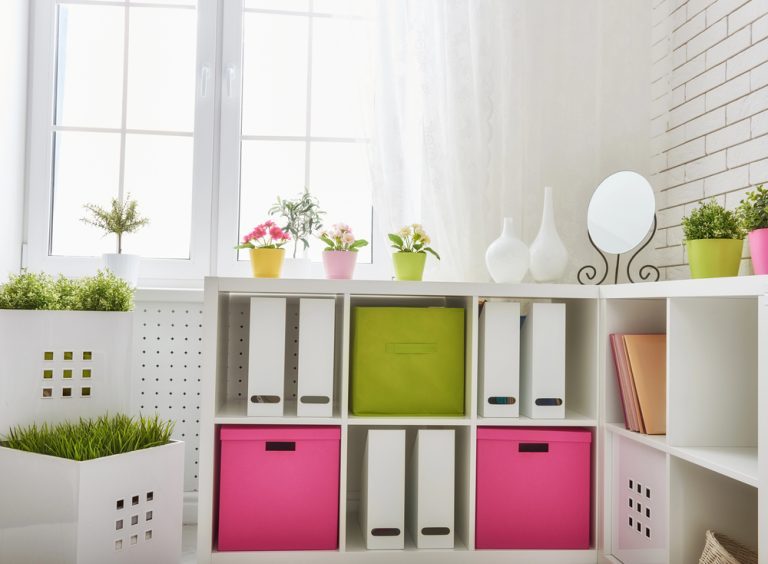
I try to focus on the areas that cause me the most frustration, or stress. Here are some areas to consider.

  • Cupboards or drawers
  • Desk or table
  • Wardrobe, shoes, bags, makeup
  • Toys, books, coats
  • Paperwork or digital clutter (emails, photos)
  • Car

Final Thoughts

Decluttering doesn’t have to mean tackling your whole house in one exhausting go. Using the moon as your guide, you can release a little at a time — without the overwhelm.

Each Last Quarter Moon is a fresh chance.
Small steps really do add up.

Well done image in Make Self Care Simple brand colours – completion of 28-day self-care challenge
Well-done! You have completed another step towards making selfcare simple

You Felt a Small Shift Today… Let’s Help You Keep It

That small shift — whether it was a moment of calm, a little more energy, a sense of relief, or simply feeling more like yourself —
that is where meaningful change begins.

But on low-sparkle days, it’s easy to lose that feeling.
Motivation dips first.
Overwhelm creeps in.
And even the gentlest intentions fade.

Your body doesn’t need pressure or perfection.
It needs one easy mini practice you can return to — especially on days that feel heavy, uncertain, or tense.

The Free Self-Care Start-Up Toolkit helps you turn “I want to feel better” into one easy, real-life step — by helping you choose and begin a challenge you can actually use when your mood dips.
Most people like to complete it over a relaxed weekend, and it includes short step-by-step videos and simple printables to help you begin gently.


Download the Free Self-Care Start-Up Toolkit

A calm, supportive starting point for your first Align & Uplift practice.

Inside, you’ll gently discover how to:
🌿 understand where you might need emotional or energetic support
🌿 choose one tiny Align & Uplift practice that fits your real life
🌿 begin without pressure or relying on willpower
🌿 notice subtle shifts that help you feel lighter and more grounded

You’ll also receive:
✉️ weekly reminders to support your consistency
💬 access to our private community (coming soon)

👉 Send Me My Free Toolkit


Only takes a few minutes to get started.

Make Self Care Simple shares general self-care education for inspiration only. I’m not providing medical advice — always check what’s right for you with a qualified health professional.

©2025 Make Self Care Simple.

Save or Print your Declutter with the Moon Recipe!

Declutter with the Moon: Release Clutter, Reclaim Calm

Notes

Moon Declutter Checklist

(Print this out or save it to use each month)
Step 1 – Prepare
  • Note the Last Quarter Moon date in your diary. 
  • Choose one small area (drawer, shelf, bag). 
  • Gather bags/boxes for: Keep / Donate / Bin. 
  • Set up your space with timer, music, drink.
Step 2 – On the Day
  • Set an intention: “I release what no longer serves me.” 
  • Declutter your chosen area. 
  • Put items straight into their home, donation bag, or bin. 
  • Stop when your time is up.
Step 3 – Celebrate
  • Notice how the space feels. 
  • Enjoy the calm. 
  • Remind yourself: One drawer today = more peace tomorrow.

A gentle practice to lift your mood and bring you back to the present when the day feels flat.

When to Use It

You wake up and know you’re almost in a funk.
This isn’t a day to sparkle — but it’s not quite an “I hate Mondays” either.
It’s more of an “Is it only Wednesday?” kind of mood.

You can feel the slide into meh coming on, and if you do nothing, the day will probably keep drifting that way.

But this isn’t a day for journaling, goals, or trying to summon positivity.
It’s a day to come back to your senses — literally — and find one small thing that feels okay.

That’s where a Simple Glimmer comes in.


What Is a Simple Glimmer?

A Simple Glimmer is a tiny, sensory moment that offers comfort or reassurance — that quiet “oh, this feels not so bad” feeling.

It’s not about chasing joy or pretending everything’s fine.

It’s about finding something that reminds you what pleasant feels like and that those sensations still exist in your day.

Each Glimmer softens resistance and brings a small shift from heaviness to ease — the kind of shift that helps you take the next gentle step forward.


How to Do It

1. Notice the “meh.”

Catch the feeling early. Don’t judge it — just name it:

“Okay, this is a low-sparkle kind of morning.”

That small moment of honesty is the first step out of autopilot.


2. Come back to your senses.

Turn your attention outward and look for one Glimmer — something your body quietly enjoys.

See: light through the window, your favourite colour, or something in nature.
Smell: coffee brewing, fresh air, a candle, or your hand cream.
Hear: music, birds, or the hush of a calm room.
Touch: warmth, softness, texture, or the feel of your mug in your hands.
Taste: a sip, a bite, or a simple flavour that feels satisfying.

You don’t have to find all five — but noticing a few helps lift the weight of that meh feeling.
As you do, the heaviness begins to soften, and your body remembers what comfort feels like.
That gentle shift — from dullness to a small sense of ease — is where the reset begins.

Reset a Meh Mood

3. Anchor it.

When something feels even a little bit good, pause for a breath or two.
Say quietly to yourself:

“That felt good.”

Notice your shoulders or breath soften — that’s your Glimmer landing.

This is the turning point.
In this small pause, you’ve changed the direction of your day.
Instead of collecting proof that it’s a bad or meh day, your mind starts scanning for what feels steady or comforting.

Each Glimmer you notice strengthens that new pattern — and your day begins to follow a gentler track.
More importantly, you’re learning to guide which track your day follows — one small Glimmer at a time.


Repeat as Needed

Use a Simple Glimmer any time your mood dips or your energy feels resistant.
Each time you do, you remind your body that comfort and steadiness are still available — and that you can find them.


The Simple Glimmer Practice Challenge

This week’s Align & Uplift Challenge is to practice your Simple Glimmer Reset before you need it.
Try it once while you feel okay — just to explore the sensations.

You’ll notice a subtle shift: perhaps a small lift, a sigh, or a feeling of ease in your body.
That’s your nervous system learning what a Glimmer feels like — so when a meh morning arrives, the Reset will feel familiar and easier to use.

Your Mini Test:
Before: Pause for a moment and notice how your body feels right now (without changing anything).
After: Try one Simple Glimmer and notice what’s different — even slightly.
Maybe your shoulders drop, your breathing slows, or your mood feels just a shade lighter.
That’s the Reset in action.

You’ve just trained your body in a new response to “meh.”


Closing Thought

You don’t have to fix the whole day.
Just find one Simple Glimmer — a small, real moment that feels okay — and let it remind you that a lighter, steadier day is still within reach.

Don’t Forget!

The aim of this challenge is to decide if you will add the Simple Glimmer Reset to your personal Menu of Selfcare?

Well done image in Make Self Care Simple brand colours – completion of 28-day self-care challenge
Well-done! You have completed another step towards making selfcare simple

You Felt a Small Shift Today… Let’s Help You Keep It

That small shift — whether it was a moment of calm, a little more energy, a sense of relief, or simply feeling more like yourself —
that is where meaningful change begins.

But on low-sparkle days, it’s easy to lose that feeling.
Motivation dips first.
Overwhelm creeps in.
And even the gentlest intentions fade.

Your body doesn’t need pressure or perfection.
It needs one easy mini practice you can return to — especially on days that feel heavy, uncertain, or tense.

The Free Self-Care Start-Up Toolkit helps you turn “I want to feel better” into one easy, real-life step — by helping you choose and begin a challenge you can actually use when your mood dips.
Most people like to complete it over a relaxed weekend, and it includes short step-by-step videos and simple printables to help you begin gently.


Download the Free Self-Care Start-Up Toolkit

A calm, supportive starting point for your first Align & Uplift practice.

Inside, you’ll gently discover how to:
🌿 understand where you might need emotional or energetic support
🌿 choose one tiny Align & Uplift practice that fits your real life
🌿 begin without pressure or relying on willpower
🌿 notice subtle shifts that help you feel lighter and more grounded

You’ll also receive:
✉️ weekly reminders to support your consistency
💬 access to our private community (coming soon)

👉 Send Me My Free Toolkit

Most self-care is about treating yourself.

Real self-care is about listening to yourself.

Because being healthy isn’t always easy — but it can be made simple.

A Personal Note

As far back as I can remember, the moment I stepped inside a wood, forest, or even a small spinney, I immediately noticed a shift — both in my surroundings and within myself. The tall, cathedral-like acoustics, the soft feel underfoot, and that earthy, grounding scent all seem to whisper, slow down, you’re safe here.

My breathing naturally becomes deeper, and for me, there’s always a feeling of profound inner peace. (Proper footwear helps too — this is the UK, after all, and muddy serenity is still serenity.)

This challenge is about mindfully harnessing that experience — learning how to use your local wood or forest as a natural way to recharge, refresh, and reset.

There are so many different self-care practices that help with stress, and I’ve tried many of them. But forest bathing remains a favourite because it’s simple, deeply restorative, and reconnects you with something far bigger than stress. And if you can’t travel or have mobility challenges, don’t worry — I’ll share ways to create your own garden bathing experience too.

Join me in the woods for a few moments!

What Is Forest Bathing?

Forest Bathing, or Shinrin-yoku, began in Japan in the 1980s as a response to rising stress, anxiety, and fatigue among workers. It’s a mindful sensory practice that helps you slow down and reconnect with nature. You walk or sit quietly among trees, noticing the sounds, sights, scents, and textures that surround you.

In essence, it’s not about doing, but about being — allowing the forest to hold you while you let go of daily noise and demands.

The Science Behind Forest Bathing

Trees release natural compounds called phytoncides — aromatic chemicals that protect them from insects and disease. When we breathe them in, studies show they help lower cortisol levels, reduce inflammation, and support the immune system.

Forest bathing also activates your parasympathetic nervous system — the part that signals rest, repair, and recovery. Just 30 minutes among trees can calm the mind and body, even when life feels chaotic.

When to Try Forest Bathing

You might choose forest bathing when you feel drained, overwhelmed, restless, anxious, or low in mood. It’s equally beautiful when life feels steady — as a way to maintain your inner balance and refresh your energy.

Whether it’s the crisp quiet of winter, the soft greens of spring, the shade of summer, or the glow of autumn, each season brings its own kind of healing.

Prepare for Your Forest Bathing Experience

Choose Your Location.

You don’t need a vast forest — a local wood, park, or even a group of trees can work beautifully.

Helpful Resources:

Woodland Trust – UK

National Trust – UK

Forest bathing in Europe

Find a Forest – USA

Plan Ahead: Check the weather and dress for comfort. Let someone know where you’re going if you’ll be alone. Bring water, a small snack, and something dry to sit on. Switch your phone to silent once you arrive — this is your time to disconnect.

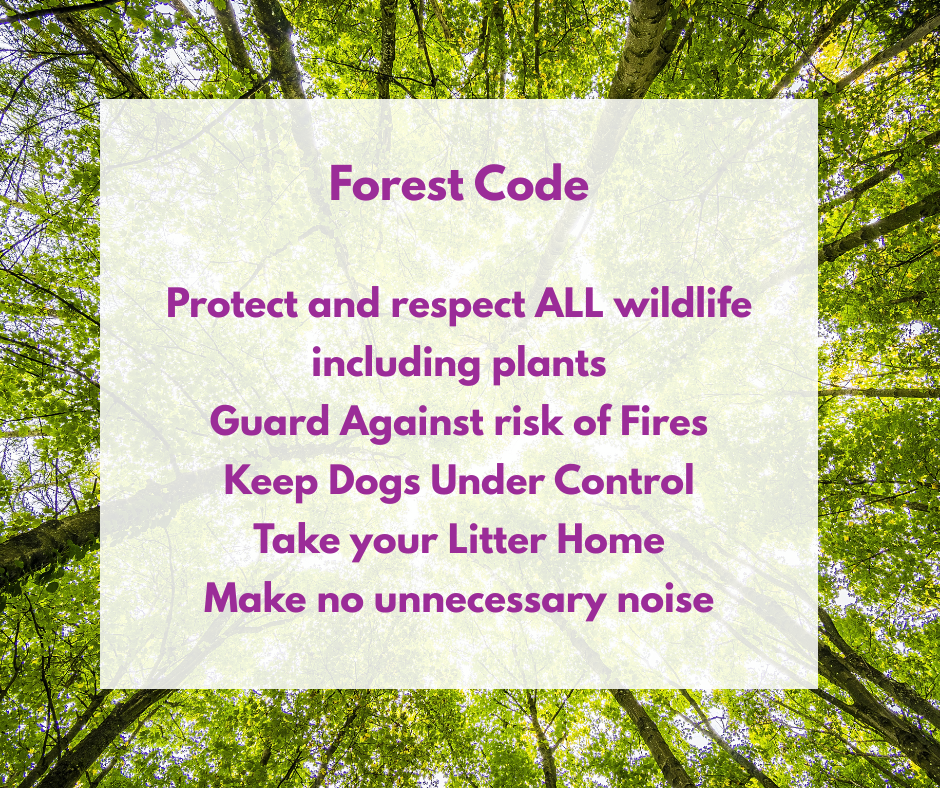
The Forest Code

Here is a reminder of The Forest Code

Forest code

When you Arrive

Pause for a moment at the entrance. Notice the shift in light, sound, and energy as you step into the trees. If you’re with a friend, agree on a time to meet again, then give each other space to explore quietly.

You might begin with a simple intention, such as: Today I give myself permission to rest or I open myself to peace and renewal.

Set an intention forest bathing plan

Your Forest Bathing Plan

Forest bathing usually includes two gentle parts: Slow Walking and a Sit Spot.

Slow Walking

Move slowly — far more slowly than usual. Let yourself pause often and use your senses as guides.

  • Sight: Notice colours, patterns, and movement.
  • Sound: Listen for birdsong, rustling leaves, wind through branches.
  • Smell: Breathe in the earthy scent of soil, bark, or moss.
  • Touch: Feel textures — the ground under your feet, the bark of a tree, the air on your face.

Mindful Walking: Bring your awareness into your body. Notice how your shoulders, arms, and legs move. When your mind wanders, gently bring it back to what you feel underfoot or the rhythm of your steps.

Tree Connection: You can gently lean against or embrace a tree and simply breathe. It’s a lovely way to connect, release tension, and absorb the grounded calm that trees naturally offer.

Find your Sit Spot

Find a quiet place to sit for 10–30 minutes — a fallen log, a bench, or a picnic mat. Observe everything around you: light, texture, patterns, movement, and sound.

You might choose to journal or sketch what you notice, meditate or pray, enjoy a mindful snack, or simply sit and breathe. There’s no right way to do this — your only goal is to be fully present.

Gratitude Walk Back

As you slowly walk back, take a few moments to reflect. How do you feel now? What did you notice or appreciate? Which tree, plant, or sound stood out to you? End with a small inner thank you — for the forest, for yourself, and for the moment you took to rest.

Forest bathing plan makeselfcaresimple

Garden Bathing (Home Practice)

If you can’t get to a forest, you can still enjoy a mini version of this practice at home. Sit near a tree in your garden or balcony, or near a window with a view of greenery. You can even connect with a houseplant or recently planted tree — research shows that proximity to plants still helps calm the nervous system.

Use the same approach: slow down, breathe, notice, and appreciate.

Final Thoughts

Forest bathing is a beautiful, accessible way to reset your mind and energy — no special skills or travel needed. Try it once a week or even once a month, and notice how you feel before and after. Keep a small journal or voice note to record your reflections.

For me, forest bathing is both restorative and preventative. It helps me reconnect with peace — whether I’m walking under summer leaves or through the quiet, rain-soaked woods of winter. Will you try forest bathing? I’d love to hear what you discover.

Remember, muddy boots and messy hair still count — what matters is that you showed up.

Will you try forest bathing? I’d love to hear what you discover.

Well done image in Make Self Care Simple brand colours – completion of 28-day self-care challenge
Well-done! You have completed another step towards making selfcare simple

You Felt a Small Shift Today… Let’s Help You Keep It

That small shift — whether it was a moment of calm, a little more energy, a sense of relief, or simply feeling more like yourself —
that is where meaningful change begins.

But on low-sparkle days, it’s easy to lose that feeling.
Motivation dips first.
Overwhelm creeps in.
And even the gentlest intentions fade.

Your body doesn’t need pressure or perfection.
It needs one easy mini practice you can return to — especially on days that feel heavy, uncertain, or tense.

The Free Self-Care Start-Up Toolkit helps you turn “I want to feel better” into one easy, real-life step — by helping you choose and begin a challenge you can actually use when your mood dips.
Most people like to complete it over a relaxed weekend, and it includes short step-by-step videos and simple printables to help you begin gently.


Download the Free Self-Care Start-Up Toolkit

A calm, supportive starting point for your first Align & Uplift practice.

Inside, you’ll gently discover how to:
🌿 understand where you might need emotional or energetic support
🌿 choose one tiny Align & Uplift practice that fits your real life
🌿 begin without pressure or relying on willpower
🌿 notice subtle shifts that help you feel lighter and more grounded

You’ll also receive:
✉️ weekly reminders to support your consistency
💬 access to our private community (coming soon)


👉 Send Me My Free Toolkit

(Part of the Align & Uplift Pathway — reconnect with calm, joy, and emotional balance)

Real self-care is about listening to yourself.
Because being healthy isn’t always easy — but it can be made simple.

Free Self-Care Challenge Toolkit

Make Self Care Simple shares general self-care education for inspiration only. I’m not providing medical advice — always check what’s right for you with a qualified health professional.

©2025 Make Self Care Simple.

Download or print your Reminder Here

How to Plan your First Forest Bathing Experience – Ready to Recharge & Feel Refreshed.

Print or Save as PDF

Notes

Printable Summary – Forest Bathing “Recipe”

Goal: Recharge, relax, and refresh your energy through mindful time in nature.
Duration: 30–60 minutes (or longer if you wish)
You’ll need: Comfortable shoes, water, mat or chair, journal, weather-appropriate clothing
  1. Choose a forest, wood, or tree-filled area
  2. Set a simple intention
  3. Walk slowly and use your senses
  4. Find a sit spot to pause and reflect
  5. End with gratitude and appreciation
 
Feeling inspired? Join the Make Self-Care Simple newsletter for gentle self-care ideas, new challenges, and community support.