A simple, calm orientation to the Make Self Care Simple approach.
Welcome — I’m so glad you’re here
If you’ve landed here, you may be thinking: “This makes sense… but how does it all fit together?”
Make Self Care Simple isn’t more health advice. It’s a calm, personalised system that helps you understand how your body responds — so you can stop guessing and start noticing what genuinely helps.
The Make Self-Care Simple System
Everything here works through three connected parts:
The Blog
A free library of easy, follow-along self-care challenges you can explore at your own pace.
The Toolkit
A simple, step-by-step process that shows you how to:
find a personal starting point
choose one supportive practice
listen for real feedback from your body
The Community
A quiet, supportive space where you don’t have to do this alone — offering shared perspective, encouragement, and a place to stay connected while you learn.
You can explore any part on its own. But together, they make it much easier to understand what’s actually helping your body.
Is This Likely to Help You?
Make Self Care Simple is especially helpful if you:
you try something new, feel hopeful… then stop because you can’t tell if it’s helping
results feel slow, unpredictable, or non-existent, even when you’re doing “the right things”
advice seems to work for other people, but not for your body
your body feels over-reactive, unresponsive, or hard to read
you keep starting and stopping because there’s no clear feedback to guide you
you find yourself chasing more information, hoping this will be the missing piece
you’re tired of guessing — and want a way to understand what your body is actually asking for
Being healthy isn’t always easy — but it can be made simple.
Where Most People Begin
If you’re new, the best place to start is the free Self-Care Toolkit.
If healthy living feels like it works for everyone except you, the problem isn’t effort or willpower.
You’ve tried routines, food changes, supplements, habits, and advice that worked brilliantly for someone else — and then your progress stalled, reversed, or disappeared.
That experience creates doubt.
Not just about you — but about your body, and about self-care itself.
It can start to feel like maybe your body doesn’t respond properly… or that there simply isn’t an answer that fits.
If you’ve thought that, you’re not broken.
And you’re not alone.
What’s usually missing
When self-care keeps “failing,” most people assume they need a better method.
A better diet. A stricter routine. More discipline.
This page is where I share the simple answer I observed not just from my own experience but from over 20 years as a natural health practitioner.
What we do differently here
Most health advice teaches you to add more:
more routines more changes more information more rules
But none of that helps if it isn’t what your body truly needs.
The work here isn’t about pushing harder.
It’s about learning how to offer support your body can actually use — and noticing how it responds.
Not someone else’s plan. Not a perfect system. Not a list of “shoulds.”
Simple, everyday care that matches:
your energy your patterns your real life
Because your body isn’t waiting for a perfect routine.
It’s waiting for the right kind of support.
How we begin
Instead of forcing complicated plans, you start with something much smaller:
a single, doable self-care practice that gives your body space to respond.
These are the self-care challenges you’ll find throughout the blog — gentle experiments that help you feel what truly supports you.
Not to fix. Not to push. Not to get it right.
But to listen and learn.
As you continue, you begin to notice:
what restores you what drains you what feels grounding what your body quietly appreciates
That clarity builds slowly and naturally.
And it’s enough.
Why small steps work
Trying harder doesn’t help a body that’s already overwhelmed.
Your body isn’t a machine. It’s responsive, aware, and constantly communicating.
When you stop guessing, small shifts become visible.
When you stop pushing, clarity grows.
This isn’t instant transformation.
It’s a steady relationship you build with yourself.
And once your body feels supported in the right way, the things you’re already doing begin to work better.
You don’t have to do this alone
If staying with self-care has been hard in the past, that’s not a personal failure.
Learning to listen to your body is easier when you’re not doing it in isolation.
There’s a free, private community where you can explore this alongside others who are learning the same skill.
A supportive space to share reflections, gain perspective, and stay connected — without pressure or comparison.
And whether you prefer to work quietly on your own or alongside others, the first step is the same.
Your First Step: The Free Self-Care Start-Up Toolkit
The Free Start-Up Toolkit shows you exactly how to choose and complete your first self-care challenge — step by step, at your own pace.
A calm, clear way to begin your journey in a way your body can truly respond to.
Inside, you’ll quickly discover how to:
🌿 Find your personal starting point so you begin in a way your body is genuinely ready for.
🌿 Choose the right first self-care challenge matched to your energy, needs, and real-life situation.
🌿 Listen to your body from the very first step so you can notice what’s helping (and what isn’t) without overwhelm.
🌿 Understand the simple MSS process so you know how to begin in a way that actually leads to results.
🌿 Feel confident and prepared to start your first challenge with a gentle rhythm you can follow over the weekend and begin on Monday with clarity and ease.
You can complete the Toolkit in a relaxed afternoon or over a calm weekend, with short step-by-step videos and simple printables to guide you.
There’s nothing to push through. You simply begin.
The content shared on Make Self Care Simple is for general information and personal growth only. I’m no longer working as a practitioner, and the ideas shared here are not medical advice or a substitute for professional care.
Everything you read here is designed to help you explore gentle, everyday self-care practices that support your overall well-being — but please always consult your qualified health professional before making any major changes to your lifestyle, diet, or treatment.
Your body is unique, and only you (with the right support) can decide what feels right for you.
A simple map to understand your body’s needs — and support yourself in a way that fits you.
Self-care shouldn’t feel like another job. It shouldn’t feel like guessing, forcing, or trying to follow routines that work for everyone else but leave you feeling worse — or simply unchanged.
Most women I meet aren’t lacking effort. They’re carrying too much information, too much pressure, and too many “shoulds”.
This page introduces four pathways — not as a system to follow perfectly, but as a calm way to explore what supports your body and your real life. You don’t need to work on all four at once. You simply begin where you are, try one small focus, and notice what helps
All of these pathways are grounded in a quieter, body-led approach to self-care — one that focuses on listening rather than pushing. You can read more about that perspective here.
Practical Self-Care Challenges
1. Practical Self-Care
The most underestimated kind of self-care
Practical self-care rarely looks impressive. It looks simple. Repetitive. Almost boring.
Hydration. Gentle movement when exercise feels like too much. Daily rhythms. Rest. Small supportive habits repeated quietly.
At first, these practices can feel too subtle to matter — because there’s no instant feedback. And yet, this is where the body often responds best.
Practical is about two things:
giving your body what it quietly needs to function more easily
learning which small actions are actually worth your energy over time
This pathway helps you shift from: “These steps are too simple to matter…” to “This is the foundation my body has been asking for.”
Nourish isn’t about following a food plan. It’s about exploring food with your body, not against it.
There is no single “right” way to eat — only what fits your body, your energy, your sensitivities, and your real life.
Each month, you’re invited to choose one new recipe each week, adapt it as needed, try it gently, and notice how you feel. You keep what works and let go of what doesn’t.
No rules. No pressure. No perfect plate.
Just small, thoughtful experiments that turn saved inspiration into lived nourishment.
This pathway helps you shift from: “I don’t know what I’m supposed to eat…” to “I can explore and create food that works for my body.”
Some days don’t fall apart — they just feel heavier than they should. Not enough to stop life, but enough to make everything take more effort.
On days like that, you don’t need deep work or a new plan. You need something that helps now.
Align & Uplift is a collection of short, gentle practices designed to shift how a moment feels in the body: a pause, a breath reset, a change in sensory input, a tiny ritual that helps your system soften.
They’re intentionally simple, because low-energy moments don’t need another task.
No preparation. No fixing. No pressure to feel better.
You try one. Notice what shifts. Return to what helps.
This pathway helps you shift from: “I don’t have the energy for anything…” to “I can do one tiny thing — and feel a little less stuck.”
Self-care isn’t just what you do. It’s what happens inside you when you try.
The hesitation. The doubt. The urge to stop before you start.
Mindcraft helps you understand those moments — not as failure, but as patterns, protection, and information.
Instead of pushing harder, you learn to pause. Instead of quitting, you get curious. Instead of self-criticism, you respond with understanding.
Mindcraft supports consistency not through discipline, but through self-awareness — because when inner resistance softens, everything else has room to follow.
This pathway helps you shift from: “Why do I always get in my own way?” to “This is a pattern — and I can move differently, with self-trust.”
The four pathways support different parts of you — body, mind, emotion, nourishment — and together they form a calm, complete approach to self-care.
You don’t have to start perfectly. You don’t need to use all four at once. You don’t need to know the whole plan.
You only need one gentle starting point — and the willingness to notice what helps.
Your Next Step — A Simple Guide to Begin
If you’d like help understanding where your body needs support right now, the Self-Care Start-Up Toolkit will walk you through a gentle, personal starting point.
Inside, you’ll discover: • how to assess your current needs • how the pathways work together • how to begin simply and confidently • tracking tools that help you notice what’s working • the first steps in building your Menu of Self-Care
See why self-care challenges work and how gentle, focused practices help you listen to your body, build confidence, and create steady, meaningful change.
Let’s be honest… On paper, self-care sounds ridiculously simple:
Just drink more water. Eat more vegetables. Move a little more.
On Day 1, it feels almost too easy. You might even think: “Honestly, I could add more.”
By Day 3… Life happens. You’re busy. You forget.
By Day 5… Your energy dips, your motivation evaporates, and suddenly you’re saying:
“I’m not sure I can do this forever… is it even worth it?”
If you’ve lived anywhere inside that cycle — welcome, you’re not broken, you’re human.
And this is exactly why self-care challenges work so beautifully.
Not the hardcore, all-or-nothing challenges that demand perfection.
But the kind I teach here at Make Self-Care Simple:
Gentle, curiosity-based experiments
that help you discover what actually supports your body.
After 25 years as a natural health practitioner, I noticed something surprising:
Women who tried ONE small self-care practice consistently for a few weeks always saw better results than those trying to overhaul their whole life in one go.
When I said to clients, “Try this one practice until your next appointment, just long enough to see if it works for you,” — most of them finally made progress.
Here’s why.
1. They’re long enough for your body to show you what’s working
Most self-care advice promises quick results. But real change needs time.
Your nervous system needs time. Your digestion needs time. Your hormones need time. Your habits need time.
And above all, your body needs to feel safe before it can change anything.
Here’s the nuance:
In my experience, Practical and Nourish practices often show their true benefits over a few weeks… whereas Align & Uplift or Mindcraft shifts can often be felt much more quickly.
This makes every challenge the right size for the type of support your body needs.
2. They Turn Self-care into a Simple Experiment
Most women feel overwhelmed because they think they must:
choose the perfect routine
get it right immediately
stick to it flawlessly
But a self-care challenge reframes the entire process:
“Let’s just try this. Let’s see what happens.”
You’re not committing for life. You’re just gathering feedback.
It removes pressure and builds confidence.
3. They stop the spiral of overthinking
If you’re intuitive, thoughtful, or sensitive (many of my readers are), you might recognise this:
You want to feel better → You research → You get overwhelmed → You freeze → Nothing changes.
A challenge cuts through the noise:
Choose one thing Try it long enough to learn something Reassess at the end
Even on low-energy days, this is doable.
4. They help you build your personalised Menu of Self-Care
Every challenge teaches you something:
what your body loves
what helps a little
what makes the biggest difference
what does nothing
what’s worth keeping
Over time, these little experiments become:
your personal Menu of Self-Care A living list of practices that genuinely support your body — with no guilt, guessing, or copying other people’s routines
This is what I know works for my body
5. They create momentum — without overwhelm
They create momentum — without overwhelm One of the biggest reasons women don’t see results? Trying to change everything at once.
Self-care challenges keep things simple:
Challenges work best when they’re focused. Usually, this means choosing just one supportive practice at a time and — only if you want to — pairing it with a simple mood- or mindset-shift.
This structure matters.
Your four pathways work together — but focusing on just one at a time helps you clearly see which practice is making the difference.
That’s what builds confidence.
And once a practice earns its place, you can gently layer in the next.
They Help you see Patterns in your Body
When you focus on just one practice, you can clearly see what difference it makes.
You might notice:
that recurring headache appears less often
your mood lifts in the afternoon
the after-dinner bloat you’d accepted as “normal” softens
your energy lasts a little longer
These tiny shifts are valuable clues.
And you can only spot them when you’re not juggling ten changes at once.
7. They work with your body — not against it
Women over 40 often tell me:
“My body just doesn’t respond like it used to.”
And that’s true — because your body now needs a gentler, kinder, more consistent approach.
Self-care challenges honour that.
They give you space to:
rebuild trust
restore balance
reconnect with your natural rhythm
This isn’t self-improvement. It’s self-connection.
1. If you’d like to understand the approach first…
START your Challenge!
Before you begin, you might want a clearer sense of why this works — and how to make sure your first challenge actually leads to results. My Start Here page walks you through the missing pieces of self-care, why listening to your body matters, and how the Start-Up Toolkit supports you step by step.
I’ve created a free resource to help you start simply and confidently.
Download the Free Self-Care Start-Up Toolkit
Inside, you’ll find: • how to begin • how to assess what your body needs • how to track the right things • how to personalise your care • how to know if something is working
If you’re still learning — or you’ve downloaded the toolkit and want to understand the bigger picture — the next step is discovering your Menu of Self-Care. It’s the simple method I use (and teach) to understand which practices genuinely support your body.
The remedies and routines that had worked beautifully for years suddenly… didn’t.
My body was facing a new challenge — and I needed a new way to support it.
So I began exploring again. Not dramatic changes. Just small, gentle practices I could actually manage.
Some helped. Some didn’t. But all of them taught me something.
Slowly, a pattern emerged — and the list of practices that genuinely supported me became my Menu of Self-Care.
It changed everything about how I approach my wellbeing.
A Different Kind of Self-Care
Most self-care advice focuses on what you should do:
drink more water
meditate
move more
journal
stretch
eat better
Good ideas… but not necessarily your ideas.
Your Menu of Self-Care is different.
It’s a living list of practices your own body has “approved” — because you’ve tried them, felt the difference, and know they truly support you.
It grows with you. It changes with your seasons. It becomes clearer the more you listen.
And best of all?
It removes the pressure to copy anyone else.
This way of working with a self-care menu comes from a quieter, more intuitive approach to self-care — one that focuses on listening to the body rather than following fixed routines. If it’s helpful, I’ve written more about that perspective here.
How the Menu Fits into the MSS Approach
Your wellbeing is shaped by many layers — your body, your emotions, your energy, your habits, your beliefs.
That’s why Make Self Care Simple works with four pathways:
Practical – grounding daily care that supports your physical systems
Nourish – food and rhythms that replenish you
Align & Uplift – short practices that lift mood & energy
Mindcraft – mindset shifts that support consistency
You don’t need all four at once. And you don’t need to figure them out alone.
Each gentle challenge helps you explore one pathway at a time — giving you the clarity your body hasn’t been able to give you in the overwhelm of “trying everything.”
Over time, these small insights naturally become your Menu of Self-Care.
This is what I know works for my body
Your Menu Doesn’t Need to Be Perfect
You don’t need the perfect template (yet). Or the perfect plan. Or the perfect routine.
All you need is a place to start noticing:
what feels supportive
what feels draining
what feels neutral
This alone begins reconnecting you with your own internal wisdom.
But if you’d like your Menu to truly work — to be clear, reliable, and personalised — the way you begin makes all the difference.
Which leads to…
Why Your Menu Matters
When self-care becomes something you choose (not something you “should” do), everything shifts.
You begin to see what genuinely helps you. You stop copying routines that don’t fit. You trust your own signals. You spend less time guessing — and more time responding.
Your Menu of Self-Care becomes:
a reference
a guide
a source of confidence
and a quiet reminder of what works
It’s not a to-do list. It’s a relationship.
Ready to Create Your Menu? Start Here.
Creating a Menu is simple — but the way you start matters. That first step is what determines whether you gain clarity… or get lost in overwhelm again.
That’s why I created the Free Self-Care Start-Up Toolkit.
It gently guides you through:
🌿 Understanding what your body needs first 🌿 Choosing the right first self-care challenge 🌿 Noticing your body’s feedback with clarity 🌿 Beginning your Menu with confidence — not confusion
It’s the essential “before” step most people skip… and the reason their self-care never sticks.
A private, supportive space to explore self-care alongside others — at your own pace.
If you’re here, something about this quieter, more personalised approach has probably resonated.
Many people find self-care difficult not because they lack information, but because their body doesn’t respond clearly — or responds in ways that are hard to interpret. When you’re learning to listen more closely, doing it alone can feel isolating. Doubt creeps in. You start to wonder if anything is actually helping.
This community exists to change that experience.
People join not because they want to share more — but because illness and uncertainty can quietly make life feel smaller and lonelier.
It’s a calm, private space — away from social media noise, pressure, and performance — where you can explore self-care alongside others who are also learning to listen to their bodies.
Why community helps
When your body doesn’t feel well, everyday life often shrinks. You cancel plans. You stop doing things you enjoy. You spend more time alone — not by choice, but because your energy, symptoms, or uncertainty make it harder to engage.
Over time, that isolation can quietly turn into doubt. You start to wonder whether you’re doing this wrong… or whether anything is really helping at all.
Learning to recognise feedback from your body is a skill most of us were never taught. Seeing how others notice patterns, respond to setbacks, or stay with small practices often brings clarity sooner — and helps soften the self-doubt that can arise when you’re figuring this out on your own.
This space is a room you can return to when uncertainty or everyday life gets in the way. You don’t need to have the answers. You don’t need to be doing it “right.”
You’re welcome exactly as you are.
What you’ll find inside
This free community offers a gentle place to:
follow along with the Self-Care Toolkit in your own time
share small reflections or questions, if and when it feels right
give and receive quiet encouragement
or simply read and stay connected
There’s no pressure to post, no expectation to keep up, and no “right” way to take part. Life is messy — this space is designed to fit around that.
A gentle invitation
If exploring self-care alongside others feels supportive right now, you’re very welcome to join the free community.
And if you’d prefer to continue quietly through the blog and newsletter, that’s absolutely fine too. Both paths are valid here.
Discover simple quick mood boosters and 5 minute self-care rituals to boost your mood, raise your vibration, and reset your energy anytime you need it.
Quick Mood Boosting Practices: The Align & Uplift Challenges
Life will always have its ups and downs. Some days your energy flows easily, and other days your mood dips and everything feels heavier.
I’ve learned that emotions and feelings are feedback from your body — gentle messengers, even when they’re difficult. They can reveal where your energy’s out of balance or where you most need care.
But sometimes, it’s not that deep. One random comment, an off-day, or just sheer exhaustion can throw everything off.
And the truth is, when you most need to lift your mood, your motivation and energy are usually at their lowest.
That’s why these challenges exist. In those moments, you don’t need deep soul-searching or a new technique — you just need something ready and easy that actually helps. That’s exactly what these challenges are designed to give you.
What Are Align & Uplift Challenges?
Think of them as a “pick & mix” menu of mini self-care rituals, short, simple, and powerful practices you can sprinkle throughout your day, week, or month.
Many of the challenges take just a few minutes and are designed to either boost your mood or raise your vibration when you need it most.
Some Align & Uplift challenges go deeper and may need a little preparation beforehand, perfect for the days when you have more energy or inspiration to put to good use.
You’ll find a mix of breath resets, quick visualizations, movement prompts, sound rituals, creativity sparks, and more. Most of these mood-boosting practices don’t require any special equipment, and you can do them right at home.
Why So Simple?
When you’re feeling low, time and energy are in short supply.
That’s why each challenge is short and easy, so you can actually do it, even on your hardest days.
The magic is in the micro-shifts. Small, consistent moments of alignment create powerful transformation over time.
Your Personal Mood Toolkit
Boost your mood and energy
Here’s where it gets personal: each practice will feel slightly different for each person.
Some will become your go-to quick mood boosters, while others may serve as deeper resets.
Two people can try the same challenge and walk away with different. but equally useful results. That’s part of the process.
That’s the point: to discover what truly lifts you..
If you want extra clarity, the Mood & Frequency Check-In Sheet inside the Self-Care Start-Up Toolkit can help you notice your own experiences as you try different practices.
Over time, you’ll naturally discover which practices feel most supportive for you — the ones you return to when you need a quick lift or a gentle reset.
Ready to try your first Align & Uplift Challenge?
Start with any of the mini practices on this page — and let your journey begin.
Nourish Your Mind, Lift Your Energy, and Reconnect With Joy
The content shared on Make Self Care Simple is for general information and personal growth only. I’m no longer working as a practitioner, and the ideas shared here are not medical advice or a substitute for professional care.
Everything you read here is designed to help you explore gentle, everyday self-care practices that support your overall well-being — but please always consult your qualified health professional before making any major changes to your lifestyle, diet, or treatment.
Your body is unique, and only you (with the right support) can decide what feels right for you.
The Gentle Practices That Make a Powerful Difference
These are the practices that help your body do what it does best — repair, renew, and balanced.
Rooted in everyday wisdom from traditional healers, herbalists, and naturopaths, Practical Self-Care focuses on working with your body — not against it — by supporting the everyday rhythms it relies on: digestion, rest, movement, and renewal.
At first, these actions may seem too simple to matter — yet they’re often the missing piece in modern wellness. When practiced consistently, they create the foundation for deeper healing, steadier energy, and a more resilient sense of wellbeing.
Each challenge is designed to help you:
Notice which actions feel supportive for your body.
Gently weave them into your routine.
Stay consistent long enough to feel the difference they can make.
The Essentials: Foundations of Wellbeing
A natural place to begin is with The Essentials — simple actions that support your body’s basic needs.
Simple actions like:
Drinking enough water
Moving your body regularly
Getting fresh air, rest, and good sleep
Supporting digestion and relaxation
These are not new ideas — Yet when practiced consistently, they become surprisingly powerful.
Gentle. Simple. Profound.
Practical self-care isn’t about doing more — it’s about doing what truly matters. Each 28-day challenge invites you to focus on one simple action, practiced daily, with awareness and patience.
These small steps don’t always feel dramatic at first — but they build over time, like watering a seed until it finally blooms.
Your Personal Menu of Self-Care
As with the Nourish and Align & Uplift challenges, this is an exploration — a way to discover which practices make you feel more balanced, grounded, and well.
Over time, you’ll naturally find the actions you return to — the ones that make everyday wellbeing feel balanced.
Inspired by both timeless traditions and the realities of modern life, Practical Self-Care is powered by small steps, real experiences, and your own consistent care.
Ready to Begin?
Each challenge is a gentle 28-day experience — long enough to make a difference, flexible enough to fit into real life. The library is always growing, one practice at a time.
Start where you are. Begin with one simple action that supports your body today.
🌼 Start Where You Are — One Simple Practice at a Time
Real self-care isn’t about doing more — it’s about doing what works. It’s the small, steady actions that help your body reset and find its natural rhythm — day by day, week by week.
Ready to Begin Gently? Here’s a Simple First Step
Most of us already know what might help us feel better — but knowing isn’t the same as beginning. It’s easy to collect ideas, save good intentions, and tell ourselves we’ll start “when life is calmer.”
That’s why I created the Free Self-Care Start-Up Toolkit — a gentle, guided way to choose your first small step and begin caring for yourself in a way that actually fits your real life.
You don’t need motivation or a big plan. You just need a simple way to get clear on where to start — and one step that feels doable for your body right now.
Inside, you’ll find: 🌿 a simple way to get clear on your personal starting point 🌿 short, step-by-step videos to help you choose your first gentle challenge 🌿 printables that make beginning feel organised and achievable 🌿 newsletter reminders to help you stay connected 💬 access to our private community (coming soon)
The content shared on Make Self Care Simple is for general information and personal growth only. I’m no longer working as a practitioner, and the ideas shared here are not medical advice or a substitute for professional care.
Everything you read here is designed to help you explore gentle, everyday self-care practices that support your overall well-being — but please always consult your qualified health professional before making any major changes to your lifestyle, diet, or treatment.
Your body is unique, and only you (with the right support) can decide what feels right for you.
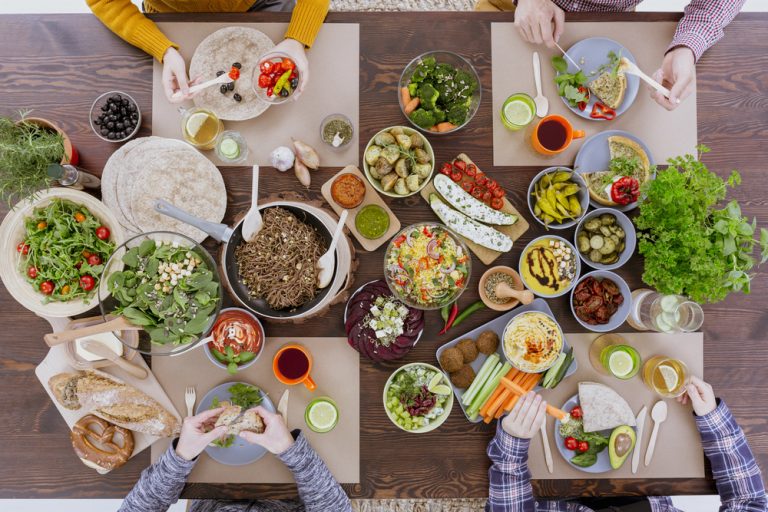
Join the free Monthly Nourish Challenge and try one new healthy recipe each week. A gentle, flexible way to discover delicious meals that fit your unique diet and support your wellbeing.
Welcome to the Monthly Nourish Challenge.
Most of us collect healthy recipes with the best intentions. We save them, pin them, bookmark them…
And then?
Real life takes over. Our energy dips. Our schedule fills. And those recipes stay saved — not used.
Nourish was created to change that, with one simple, supported step each week.
No overwhelm. No pressure. No perfection needed.
Just tiny shifts that help you bring food inspiration into real life.
Why Nourish works for any diet
When I first qualified as a Natural Healer many years ago, one of my goals was to create a perfect “healthy food plan” for clients.
I researched constantly, followed experts from opposite ends of the nutrition world, and compared their approaches. From vegan to keto to paleo… each expert had success stories to prove their point.
How could every approach be “right”?
The answer was simple:
Your Diet is as Unique as You
Over 20+ years in clinic, I saw the same foods nourish one person and overwhelm another. What mattered wasn’t the diet label — it was how well a recipe matched someone’s individual body, preferences, rhythms, and needs.
Nourish honours that truth.
The challenge gives you inspiration and themes… you choose what fits you.
The Aim of the Nourish Challenge
Each month we explore a new recipe theme: soups, brunch bowls, vegetables, chocolate, nourish bowls, and more.
You choose one recipe each week that matches:
✔ your dietary needs ✔ your energy levels ✔ your preferences ✔ your real life
The focus isn’t on doing everything “right.” It’s on turning inspiration into tiny, meaningful nourishment — one simple, repeatable step at a time.
Over time, you naturally build your own personalised recipe collection, filled with meals you’ve actually used, enjoyed, and adapted… not just saved for later.
How the Monthly Nourish Challenge works
The Nourish Challenge is a gentle way to explore new foods without overwhelm. Here’s how it works at the free level:
1. Try one new healthy recipe each week
Use the monthly theme for inspiration. Choose something that already fits your dietary approach — or adapt it in simple ways.
2. Let it fit your real life
Choose recipes that suit your energy and your week, so the challenge feels supportive, not stressful.
3. Build confidence through tiny wins
You’re not aiming for perfection — just one new nourishing step each week.
Over time, this becomes a surprisingly steady rhythm: inspiration → action → enjoyment → repeat.
That’s where the real nourishment begins.
(More detailed personalisation, deeper recipe adaptation, and guided support happen inside the community — not required, but available if you enjoy that kind of encouragement.)
Frequently Asked Questions
What is the Monthly Nourish Challenge?
It’s a free, follow-along challenge to try one new healthy recipe each week – from soups to brunch. With a focus on adapting recipes to fit your unique dietary needs.
Do I need to follow a specific diet to join?
Not at all! The challenge is designed to work with any dietary approach. Whether you’re gluten-free, dairy-free, vegan, keto, FODMAP, or simply aiming to eat healthier, you can adapt each theme to suit your body and preferences.
How much time does it take?
You’ll only need to choose and try one recipe each week. With a little meal planning and prep, it’s easy to fit into your routine.
How do I join?
Simply subscribe to the newsletter or hop into the free community space. That way you’ll get each month’s recipe theme and can share your wins with others.
Most people don’t struggle with food because they lack willpower. They struggle because they’re trying to do everything on their own.
Healthy habits are easier — and more enjoyable — with support.
That’s why I’ve created two simple ways to stay connected:
The Make Self-Care Simple Newsletter – get healthy recipe inspiration, practical self-care ideas, and gentle reminders to stay on track.
Free Community Space – share your wins, creative swaps, and discoveries with others on their own nourish journey.
When you subscribe, you’ll also receive your FREE Self-Care Challenge Toolkit, with everything you need to complete your first challenge and start building your personal self-care routine.
Let’s make self-care simple, supportive, and full of flavour, together.
The content shared on Make Self Care Simple is for general information and personal growth only. I’m no longer working as a practitioner, and the ideas shared here are not medical advice or a substitute for professional care.
Everything you read here is designed to help you explore gentle, everyday self-care practices that support your overall well-being — but please always consult your qualified health professional before making any major changes to your lifestyle, diet, or treatment.
Your body is unique, and only you (with the right support) can decide what feels right for you.