Author

Jo

Browsing

A gentle practice to lift your mood and bring you back to the present when the day feels flat.

When to Use It

You wake up and know you’re almost in a funk.
This isn’t a day to sparkle — but it’s not quite an “I hate Mondays” either.
It’s more of an “Is it only Wednesday?” kind of mood.

You can feel the slide into meh coming on, and if you do nothing, the day will probably keep drifting that way.

But this isn’t a day for journaling, goals, or trying to summon positivity.
It’s a day to come back to your senses — literally — and find one small thing that feels okay.

That’s where a Simple Glimmer comes in.


What Is a Simple Glimmer?

A Simple Glimmer is a tiny, sensory moment that offers comfort or reassurance — that quiet “oh, this feels not so bad” feeling.

It’s not about chasing joy or pretending everything’s fine.

It’s about finding something that reminds you what pleasant feels like and that those sensations still exist in your day.

Each Glimmer softens resistance and brings a small shift from heaviness to ease — the kind of shift that helps you take the next gentle step forward.


How to Do It

1. Notice the “meh.”

Catch the feeling early. Don’t judge it — just name it:

“Okay, this is a low-sparkle kind of morning.”

That small moment of honesty is the first step out of autopilot.


2. Come back to your senses.

Turn your attention outward and look for one Glimmer — something your body quietly enjoys.

See: light through the window, your favourite colour, or something in nature.
Smell: coffee brewing, fresh air, a candle, or your hand cream.
Hear: music, birds, or the hush of a calm room.
Touch: warmth, softness, texture, or the feel of your mug in your hands.
Taste: a sip, a bite, or a simple flavour that feels satisfying.

You don’t have to find all five — but noticing a few helps lift the weight of that meh feeling.
As you do, the heaviness begins to soften, and your body remembers what comfort feels like.
That gentle shift — from dullness to a small sense of ease — is where the reset begins.

Reset a Meh Mood

3. Anchor it.

When something feels even a little bit good, pause for a breath or two.
Say quietly to yourself:

“That felt good.”

Notice your shoulders or breath soften — that’s your Glimmer landing.

This is the turning point.
In this small pause, you’ve changed the direction of your day.
Instead of collecting proof that it’s a bad or meh day, your mind starts scanning for what feels steady or comforting.

Each Glimmer you notice strengthens that new pattern — and your day begins to follow a gentler track.
More importantly, you’re learning to guide which track your day follows — one small Glimmer at a time.


Repeat as Needed

Use a Simple Glimmer any time your mood dips or your energy feels resistant.
Each time you do, you remind your body that comfort and steadiness are still available — and that you can find them.


The Simple Glimmer Practice Challenge

This week’s Align & Uplift Challenge is to practice your Simple Glimmer Reset before you need it.
Try it once while you feel okay — just to explore the sensations.

You’ll notice a subtle shift: perhaps a small lift, a sigh, or a feeling of ease in your body.
That’s your nervous system learning what a Glimmer feels like — so when a meh morning arrives, the Reset will feel familiar and easier to use.

Your Mini Test:
Before: Pause for a moment and notice how your body feels right now (without changing anything).
After: Try one Simple Glimmer and notice what’s different — even slightly.
Maybe your shoulders drop, your breathing slows, or your mood feels just a shade lighter.
That’s the Reset in action.

You’ve just trained your body in a new response to “meh.”


Closing Thought

You don’t have to fix the whole day.
Just find one Simple Glimmer — a small, real moment that feels okay — and let it remind you that a lighter, steadier day is still within reach.

Don’t Forget!

The aim of this challenge is to decide if you will add the Simple Glimmer Reset to your personal Menu of Selfcare?

Well done image in Make Self Care Simple brand colours – completion of 28-day self-care challenge
Well-done! You have completed another step towards making selfcare simple

You Felt a Small Shift Today… Let’s Help You Keep It

That small shift — whether it was a moment of calm, a little more energy, a sense of relief, or simply feeling more like yourself —
that is where meaningful change begins.

But on low-sparkle days, it’s easy to lose that feeling.
Motivation dips first.
Overwhelm creeps in.
And even the gentlest intentions fade.

Your body doesn’t need pressure or perfection.
It needs one easy mini practice you can return to — especially on days that feel heavy, uncertain, or tense.

The Free Self-Care Start-Up Toolkit helps you turn “I want to feel better” into one easy, real-life step — by helping you choose and begin a challenge you can actually use when your mood dips.
Most people like to complete it over a relaxed weekend, and it includes short step-by-step videos and simple printables to help you begin gently.


Download the Free Self-Care Start-Up Toolkit

A calm, supportive starting point for your first Align & Uplift practice.

Inside, you’ll gently discover how to:
🌿 understand where you might need emotional or energetic support
🌿 choose one tiny Align & Uplift practice that fits your real life
🌿 begin without pressure or relying on willpower
🌿 notice subtle shifts that help you feel lighter and more grounded

You’ll also receive:
✉️ weekly reminders to support your consistency
💬 access to our private community (coming soon)

👉 Send Me My Free Toolkit

Most self-care is about treating yourself.

Real self-care is about listening to yourself.

Because being healthy isn’t always easy — but it can be made simple.

Discover 20 healthy salad dressing recipes that fit every diet. From creamy to zesty, these easy, homemade dressings are perfect for the Monthly Nourish Challenge and can be adapted to your unique health needs.

Welcome to this month’s Nourish Challenge inspiration – This month, we’re diving into one of the simplest but most transformative kitchen experiments — discovering the perfect salad dressing to suit your diet.
(And yes, you can start this at any time of year — salads aren’t just for summer!)

Now, I don’t know about you, but I’ve spent years trying to adapt recipes to fit my ever-changing food needs — with varying levels of success.
Some worked beautifully… others, let’s just say, ended up as “learning experiences.

While shop-bought dressings are convenient, they often include ingredients we’re trying to avoid, added sugars, refined oils, artificial flavours, or preservatives. So this month, let’s explore how simple and satisfying it can be to make your own.

How This Month’s Inspiration Fits the Nourish Challenge

The Monthly Nourish Challenge is all about trying one new healthy recipe each week, and learning to adapt it to your unique health needs.

Each month, I’ll share a theme for inspiration, like this collection of homemade salad dressings, to help spark your creativity in the kitchen.
You can:

  • Choose a recipe that already fits your dietary needs, or
  • Get creative! Combine the flavour ideas from one recipe with ingredients that suit your diet from another.

You can also pick any healthy recipe that inspires you this week, the aim is simply to experiment, adapt, and discover what nourishes you.


Why Salad Dressings?

Homemade dressings are one of the easiest ways to make healthy eating more enjoyable. They bring life to salads, roasted veggies, grain bowls, and wraps, and they’re a wonderful way to include more nourishing oils, herbs, and spices in your diet.

I personally found that salad dressings can transform boring repetitive salads – and often add a boost of extra nutrition!

The goal is to find combinations that make you look forward to eating more fresh veggies, while discovering what works best for your body.


Before You Save These Recipes for “Later”…

Here’s a Tiny Step That Helps You Actually Use Them

Most of us collect healthy recipes with good intentions — and then real life takes over.
If you’d love a simple way to turn inspiration into something your body actually gets to enjoy, start with the Free Self-Care Start-Up Toolkit.

👉 Download the Toolkit (free)

Featured Recipes from Food Bloggers

I’ve put together a collection of inspiring recipes for salad dressings from talented food bloggers to help you get started.

Carrot Ginger Dressing

From loveandlemons.com easy ingredients, sweet and tangy

Ingredients include roasted carrots, ginger, rice vinegar and olive oil

Chickpea Flour Mayonnaise

From powerhungry.com a vegan (egg-free), nut-free and soy-free mayonnaise

Ingredients include chickpea flour, lemon juice, neutral oil, and dijon mustard

Almond Butter Sesame Dressing

From paleorunningmomma.com this dressing is included in her Paleo Chinese Chicken Salad.

Ingredients include medjool dates, coconut aminos, sesame oil and rice vinegar

How to Make the Most of This Month’s Theme

  • Meal-prep tip: Whisk up a batch on Sunday to keep your salads exciting all week.
  • Storage idea: Store in a glass jar and shake before serving — most dressings keep for 4–5 days.
  • Self-care moment: Take a mindful pause while preparing your dressing; notice the colours, scents, and textures.
  • Set an Intention as you make your dressing to Nourish your body and health Levels.
  • Give a moment of appreciation for the nourishing ingredients

17 Creative Salad Dressing recipes for Every Diet

Vegan – Dairy-free, Egg-free Dressings

Creamy Vegan Cucumber Dressing

From foodforthesoul.com vegan, raw food, dairy-free, egg-free

Ingredients include cucumbers, garlic, lemon juice, olive oil

Homemade Egg-free Mayonnaise

From mommyshomecooking.com vegan, egg-free, nut-free, dairy-free

Ingredients include aquafaba (chickpea water), oil and lemon juice

Vegan Sour Cream

From mypureplants.com is vegan, egg-free, nut-free, dairy-free

Ingredients include sunflower seeds, lemon juice and apple cider vinegar

Mediterranean Dressings

Mediterranean Salad Dressing

From thespanishradish.com super easy to make

Ingredients include extra virgin olive oil and red wine vinegar and herbs

Ladolemono: Greek Salad Dressing

From themediterraneandish.com a truly multi-purpose lemon vinaigrette

Ingredients include extra virgin olive oil and lemon juice

Greek Yoghurt Salad Dressing 

From foolproofliving.com a good source of protein

Ingredients include Greek Yoghurt, extra virgin olive oil, lemon juice

Dressings for Special Diets

Ginger Lime Tahini Dressing

 By  lowhistamineeats.com and is low histamine and fodmap

Ingredients include tahini, coconut aminos, maple syrup

Creamy Garlic Dressing

By nourishinghope.com is Dairy-Free, Nut-Free, Egg-Free, Low oxalate, Paleo, SCD/GAPS

Ingredients include Pumpkin seeds, Sunflower butter, lemon juice.

Low fodmap Italian Dressing

 By alittlebityummy.com low-fodmap, dairy-free, gluten-free, nut-free, soy-free egg-free

Ingredients include Garlic infused oil, Red wine vinegar, Herbs

Low Fodmap Poppy Seed Dressing

By fodmapeveryday.com low-fodmap, dairy-free,

Ingredients include poppy seeds, minced scallions, Dijon mustard

Alkaline Salad Dressing 

By mealraculous.com no-oil, alkaline, low-fat

Ingredients include avocado, parsley, basil pesto

Creative Healthy Dressings

Creamy Herby Hemp Dressing

 By  feastingathome.com is both vegan and keto, it is nut-free and soy-free

Ingredients include Hemp seeds, nutritional yeast, herbs

Orange Miso Ginger Dressing

By EatPlant-Based.com vegan and oil-free

Ingredients include orange juice, rice vinegar, white miso

Pumpkin Seed Cilantro Dressing 

By eatwellenjoylife.com good for nervous system and adrenals

Ingredients include pumpkin seeds, cumin, lemon juice,

Superfood Vinaigrette

 By tasteloveandnourish.com turn an ordinary salad dressing into a superfood party!

Ingredients include apple cider vinegar, chia seeds, Maple syrup

5-minute Creamy Raspberry Dressing

 By shahzadidevje.com – vinegar free! Vegan and diabetes-friendly

Ingredients include Raspberries, lemon juice and olive oil

Creamy Almond Curry Sunshine Dressing

By hummusapien.com to make your veggies pop!

Ingredients include almonds, apple cider vinegar, maple syrup and warming spices

✨ Ready to start?

Pick one new healthy recipe to try this week — and discover how a simple recipe can make healthy eating truly delicious.

Well done image in Make Self Care Simple brand colours – completion of 28-day self-care challenge
Well-done! You have completed another step towards making selfcare simple

Before You Save This Recipe for “Later”… Let’s Make Nourishment Something You Actually Get to Enjoy

If this recipe has inspired you, that’s a wonderful place to begin.
But if you’re like most of us, inspiration often ends up saved, pinned, or bookmarked — without ever becoming something your body actually gets to enjoy.

Your body doesn’t need more saved ideas.
It needs one small, supported step that fits your real life.

The Free Self-Care Start-Up Toolkit helps you turn that “I’ll try this recipe one day” thought into one easy, real-life step that actually nourishes you.

Most people like to complete the Toolkit over a relaxed weekend.
It includes short step-by-step videos and simple printables to guide you through choosing your first gentle challenge and preparing to begin without pressure or perfection

Free Self-Care Start-Up Toolkit

A calm, personalised starting point for your first Nourish challenge.

Inside, you’ll gently discover how to:
🌿 understand what your body may be asking for
🌿 choose one tiny Nourish step that fits your real energy and routine
🌿 begin your first challenge in a way that feels safe and achievable
🌿 notice small benefits without relying on willpower

You’ll also receive:
✉️ monthly Nourish themes & reminders
💬 access to our private community (coming soon)

👉 Send Me My Free Toolkit

Real self-care is about listening to yourself.
Because being healthy isn’t always easy — but it can be made simple.

(Part of the Nourish Pathway — helping you move from saving recipes to actually using them in a way that supports your wellbeing.)

Make Self Care Simple shares general self-care education for inspiration only. I’m not providing medical advice — always check what’s right for you with a qualified health professional.

©2025 Make Self Care Simple.

A Personal Note

As far back as I can remember, the moment I stepped inside a wood, forest, or even a small spinney, I immediately noticed a shift — both in my surroundings and within myself. The tall, cathedral-like acoustics, the soft feel underfoot, and that earthy, grounding scent all seem to whisper, slow down, you’re safe here.

My breathing naturally becomes deeper, and for me, there’s always a feeling of profound inner peace. (Proper footwear helps too — this is the UK, after all, and muddy serenity is still serenity.)

This challenge is about mindfully harnessing that experience — learning how to use your local wood or forest as a natural way to recharge, refresh, and reset.

There are so many different self-care practices that help with stress, and I’ve tried many of them. But forest bathing remains a favourite because it’s simple, deeply restorative, and reconnects you with something far bigger than stress. And if you can’t travel or have mobility challenges, don’t worry — I’ll share ways to create your own garden bathing experience too.

Join me in the woods for a few moments!

What Is Forest Bathing?

Forest Bathing, or Shinrin-yoku, began in Japan in the 1980s as a response to rising stress, anxiety, and fatigue among workers. It’s a mindful sensory practice that helps you slow down and reconnect with nature. You walk or sit quietly among trees, noticing the sounds, sights, scents, and textures that surround you.

In essence, it’s not about doing, but about being — allowing the forest to hold you while you let go of daily noise and demands.

The Science Behind Forest Bathing

Trees release natural compounds called phytoncides — aromatic chemicals that protect them from insects and disease. When we breathe them in, studies show they help lower cortisol levels, reduce inflammation, and support the immune system.

Forest bathing also activates your parasympathetic nervous system — the part that signals rest, repair, and recovery. Just 30 minutes among trees can calm the mind and body, even when life feels chaotic.

When to Try Forest Bathing

You might choose forest bathing when you feel drained, overwhelmed, restless, anxious, or low in mood. It’s equally beautiful when life feels steady — as a way to maintain your inner balance and refresh your energy.

Whether it’s the crisp quiet of winter, the soft greens of spring, the shade of summer, or the glow of autumn, each season brings its own kind of healing.

Prepare for Your Forest Bathing Experience

Choose Your Location.

You don’t need a vast forest — a local wood, park, or even a group of trees can work beautifully.

Helpful Resources:

Woodland Trust – UK

National Trust – UK

Forest bathing in Europe

Find a Forest – USA

Plan Ahead: Check the weather and dress for comfort. Let someone know where you’re going if you’ll be alone. Bring water, a small snack, and something dry to sit on. Switch your phone to silent once you arrive — this is your time to disconnect.

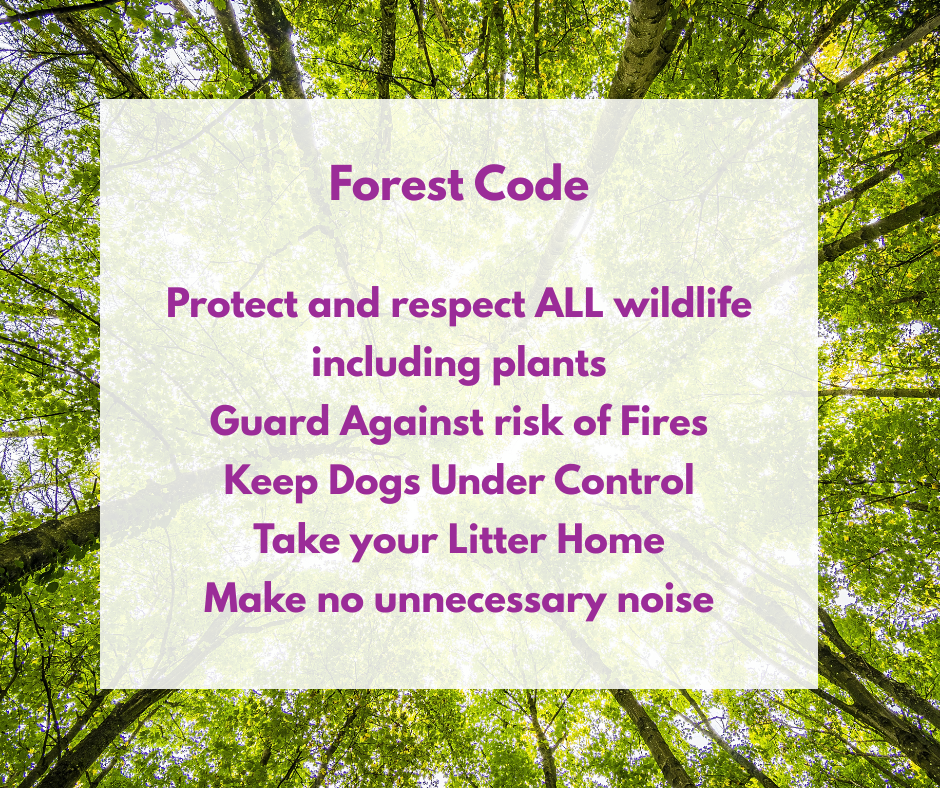
The Forest Code

Here is a reminder of The Forest Code

Forest code

When you Arrive

Pause for a moment at the entrance. Notice the shift in light, sound, and energy as you step into the trees. If you’re with a friend, agree on a time to meet again, then give each other space to explore quietly.

You might begin with a simple intention, such as: Today I give myself permission to rest or I open myself to peace and renewal.

Set an intention forest bathing plan

Your Forest Bathing Plan

Forest bathing usually includes two gentle parts: Slow Walking and a Sit Spot.

Slow Walking

Move slowly — far more slowly than usual. Let yourself pause often and use your senses as guides.

  • Sight: Notice colours, patterns, and movement.
  • Sound: Listen for birdsong, rustling leaves, wind through branches.
  • Smell: Breathe in the earthy scent of soil, bark, or moss.
  • Touch: Feel textures — the ground under your feet, the bark of a tree, the air on your face.

Mindful Walking: Bring your awareness into your body. Notice how your shoulders, arms, and legs move. When your mind wanders, gently bring it back to what you feel underfoot or the rhythm of your steps.

Tree Connection: You can gently lean against or embrace a tree and simply breathe. It’s a lovely way to connect, release tension, and absorb the grounded calm that trees naturally offer.

Find your Sit Spot

Find a quiet place to sit for 10–30 minutes — a fallen log, a bench, or a picnic mat. Observe everything around you: light, texture, patterns, movement, and sound.

You might choose to journal or sketch what you notice, meditate or pray, enjoy a mindful snack, or simply sit and breathe. There’s no right way to do this — your only goal is to be fully present.

Gratitude Walk Back

As you slowly walk back, take a few moments to reflect. How do you feel now? What did you notice or appreciate? Which tree, plant, or sound stood out to you? End with a small inner thank you — for the forest, for yourself, and for the moment you took to rest.

Forest bathing plan makeselfcaresimple

Garden Bathing (Home Practice)

If you can’t get to a forest, you can still enjoy a mini version of this practice at home. Sit near a tree in your garden or balcony, or near a window with a view of greenery. You can even connect with a houseplant or recently planted tree — research shows that proximity to plants still helps calm the nervous system.

Use the same approach: slow down, breathe, notice, and appreciate.

Final Thoughts

Forest bathing is a beautiful, accessible way to reset your mind and energy — no special skills or travel needed. Try it once a week or even once a month, and notice how you feel before and after. Keep a small journal or voice note to record your reflections.

For me, forest bathing is both restorative and preventative. It helps me reconnect with peace — whether I’m walking under summer leaves or through the quiet, rain-soaked woods of winter. Will you try forest bathing? I’d love to hear what you discover.

Remember, muddy boots and messy hair still count — what matters is that you showed up.

Will you try forest bathing? I’d love to hear what you discover.

Well done image in Make Self Care Simple brand colours – completion of 28-day self-care challenge
Well-done! You have completed another step towards making selfcare simple

You Felt a Small Shift Today… Let’s Help You Keep It

That small shift — whether it was a moment of calm, a little more energy, a sense of relief, or simply feeling more like yourself —
that is where meaningful change begins.

But on low-sparkle days, it’s easy to lose that feeling.
Motivation dips first.
Overwhelm creeps in.
And even the gentlest intentions fade.

Your body doesn’t need pressure or perfection.
It needs one easy mini practice you can return to — especially on days that feel heavy, uncertain, or tense.

The Free Self-Care Start-Up Toolkit helps you turn “I want to feel better” into one easy, real-life step — by helping you choose and begin a challenge you can actually use when your mood dips.
Most people like to complete it over a relaxed weekend, and it includes short step-by-step videos and simple printables to help you begin gently.


Download the Free Self-Care Start-Up Toolkit

A calm, supportive starting point for your first Align & Uplift practice.

Inside, you’ll gently discover how to:
🌿 understand where you might need emotional or energetic support
🌿 choose one tiny Align & Uplift practice that fits your real life
🌿 begin without pressure or relying on willpower
🌿 notice subtle shifts that help you feel lighter and more grounded

You’ll also receive:
✉️ weekly reminders to support your consistency
💬 access to our private community (coming soon)


👉 Send Me My Free Toolkit

(Part of the Align & Uplift Pathway — reconnect with calm, joy, and emotional balance)

Real self-care is about listening to yourself.
Because being healthy isn’t always easy — but it can be made simple.

Free Self-Care Challenge Toolkit

Make Self Care Simple shares general self-care education for inspiration only. I’m not providing medical advice — always check what’s right for you with a qualified health professional.

©2025 Make Self Care Simple.

Download or print your Reminder Here

How to Plan your First Forest Bathing Experience – Ready to Recharge & Feel Refreshed.

Print or Save as PDF

Notes

Printable Summary – Forest Bathing “Recipe”

Goal: Recharge, relax, and refresh your energy through mindful time in nature.
Duration: 30–60 minutes (or longer if you wish)
You’ll need: Comfortable shoes, water, mat or chair, journal, weather-appropriate clothing
  1. Choose a forest, wood, or tree-filled area
  2. Set a simple intention
  3. Walk slowly and use your senses
  4. Find a sit spot to pause and reflect
  5. End with gratitude and appreciation
 
Feeling inspired? Join the Make Self-Care Simple newsletter for gentle self-care ideas, new challenges, and community support.

Learn how dry brushing can support lymphatic health, reduce bloat, and refine skin texture in this simple 28-day routine for beginners. Your glow starts here.

The Skin You Forgot You Had

As the weather warms and the winter layers come off, there’s always that moment — you catch a glimpse of your arms or legs and realise you haven’t really seen them in months.

It’s not about vanity; it’s about rediscovery.
For most of us, the skin on our face gets all the attention, while the rest quietly hides under jumpers and jeans, waiting its turn.

That’s why this month’s challenge is all about remembering the rest of you — your arms, legs, shoulders, and back — all the skin that’s been patiently waiting for a little care.

For me, this started as a spring ritual — part reset, part reunion — a way to literally brush off winter and wake my body up again.
(And yes, dry skin brushing really does make you glow — even before the holiday tan.)

This simple 28-day practice takes just a few minutes a day, yet it leaves you feeling more alive, energised, and at home in your own skin.

Jump to Recipe

The very first question to ask is…

Will this Dry Skin Brushing challenge support my well-being?

Is Dry Skin Brushing something that could support your wellbeing needs?

Here are some signs that dry skin brushing could benefit you. 

** Dry skin brushing is not performed on the face

  • Your skin looks dull – has lost its glow
  • Your skin is dry and flaky
  • Skin is more oily
  • Poor skin texture (feel & appearance i.e. skin bumps) and tone (colour)
  • Visible pores and clogged pores
  • Ingrowing hair
  • Skin breakouts
  • Fatigue and tiredness
  • Bloating, puffiness & water retention
  • Frequent headaches
  • Recurring infections such as UTI or colds
  • Constipation

**These are good areas (symptoms) to assess and score before you start the challenge

When to avoid skin brushing

Speak to a health professional first if you are currently undergoing immune-system  treatments, have ongoing skin infections, psoriasis, eczema, open wounds, burns,skin growths or take topical steroid creams.

What is Dry Skin Brushing?

Full disclosure: There are no scientific studies to back this self care practice.

Claims about reducing cellulite have not been proven…

Now that is out of the way – what do we know about dry skin brushing?

Dry Skin Brushing has been practiced for thousands of years – all around the world

  • In Ayurvedic medicine it is called Garshana and traditionally uses a rawsilk or linen sock.
  • In Japan it is called Kanpumasatsu and uses a dry towel
  • In Chinese Medicine it uses dried fruit fibres such as a Loofah
  • The Greek & Romans used copper Strigils
  • In Native American medicine it used corn cobs
  • In Polynesian cultures they used crushed seashells 
  • And the Turks and Russians used the popular body brushing method.

Dry Skin Brushing is performed before a shower when the skin is dry. Use a dry towel, brush or loofah and brush over your skin causing a pleasant friction. You only need to do this for a couple of minutes and use a firm but not hard pressure. Then follow with your regular shower routine.

The general rule is to brush towards your heart.

** If your goal is to reduce lymph congestion (Puffy skin) see links below.

Because Dry Skin Brushing can be stimulating it is recommended to do it earlier in the day. Especially if you have sleep issues.

Honestly it is very simple to do (full instructions below) and feels great.

How Does Dry Skin Brushing Work?

When you brush your dry skin, you loosen dead skin cells, so that they can be washed off and reveal new, smooth and brighter skin cells. 

Dry skin brushing is a form of exfoliation speeding up the process of shedding old skin cells. It is thought that regular exfoliation improves skin texture and tone i.e. pink bumpy skin and enhances body lotion/product absorption.

Another aspect of detoxification is your Lymphatic system. This is like a slow moving canal carrying waste out of the body – that relies on body movement to squeeze it along the body . Old time healers believed dry skin brushing encouraged movement of the Lymph. 

Dry Skin brushing can be helpful as a regular practice if you are unable to be active most of the day. This might result in relief of puffiness and water retention much like massage.

Dry Skin Brushing also activates nerve endings in the skin which is what creates that pleasant tingling and invigorating sensation.

Preparing for your Challenge

Luckily this self care practice is simple to prepare.

You can use any of the following;

  • An existing body towel (not too soft!) long enough to do your back
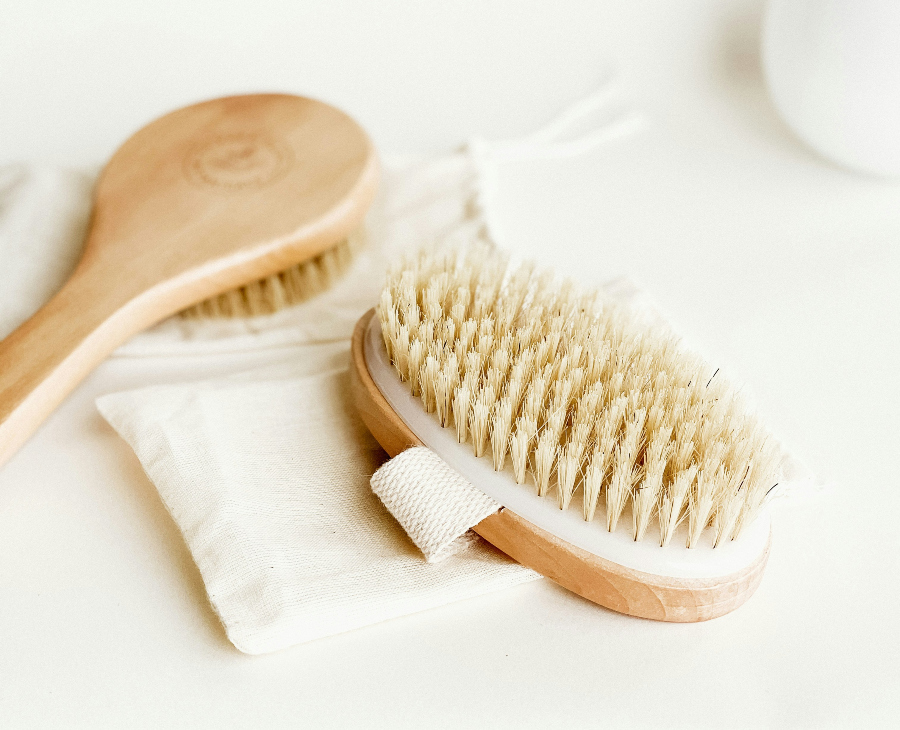
  • A Dry Skin Brush with natural bristles (detachable handles are handy!)
  • A Loofah

Optionally you can dive deeper in which type of Dry Skin Brush to use HERE

dry skin brushes

You will also need to capture details about your before and after assessments and tracking sheets to help you stay consistent.

If you haven’t already, grab my FREE Self Care Starter Pack which includes printables and walks you through the whole process.

How to do the Challenge

For the challenge you only have to do the basic routine at least 3 times a week for 4 weeks (28 days). * You can choose to skin brush every day

Assess and score your overall well-being – especially those areas mentioned at the start of this article – before you begin and again when you complete the dry skin brushing challenge. 

Remember you can use either a dry towel, special dry skin brush or loofah

Basic Routine

  • Start from your feet and brush upwards in long sweeps along the front, back and sides of your legs. Include your buttocks. Medium pressure.
  • Then go from your hands to your shoulder in the same manner. Don’t forget the back of your neck!
  • Use a circular (anticlockwise to mimic the colon and aid the process) movement across your abdomen and then for your armpits.
  • When it comes to your back, I always go upwards in short strokes from the base of my back and downward strokes from my shoulders. Don’t forget your sides under your arms which I do in short strokes.
  • I go very gently if at all, over my chest area and avoid my face

It should take less than 5-minutes.

I have never followed a set number of times to brush each area or complete the routine – my routine is more intuitive. 

Once is fine but if you intuitively feel that you want to do more – do! Remember the benefit comes from repeating the routine 3 times a week for 4 weeks.

Start with a mild pressure – this should not make the skin red and irritated.

Notice how you feel when you have completed your dry skin brush. It should feel good!

Then have your shower as normal.

Tweak the Dry Skin Brushing Challenge to Your Needs

Following the basic routine 3 times a week is enough to see results.

You can also choose to dry skin brush every day. I would not do it more than once a day.

You can also tweak the routine to your needs. If dry skin brushing makes your skin very irritated try a softer pressure or material.

There are detailed routines that work more closely with your lymphatic system which a naturopath might advise to support specific health conditions.

 And of course you can leave out certain areas of your body if you need to.

Advanced Skin Brushing

What if you want to focus mainly on your lymphatic system with dry skin brushing?

I like to combine dry skin brushing with a manual lymphatic drainage routine to open up my lymph nodes first ** Simple challenge coming soon.

You might find it interesting to check out this dry skin brushing technique for lymph movement HERE

Drinking enough water and daily movement will work really well with dry skin brushing.

Assessing your Dry Skin Brushing Challenge Results

At the end of the 28-days you complete another assessment.

What differences did you notice? Write them down. 

I just like how good dry skin brushing feels and how soft my skin feels afterwards and I also know I am helping my body detox better.

How about you? Is this self care practice something you will include in your regular self care menu?

Conclusion

Congratulations on completing your 5 Minutes to Feel Good in Your Skin: A 28-Day Dry Brushing Challenge!

I hope you’ve found this practice helpful, energising, and maybe even a little bit joyful.
After all, it’s not just about smoother skin — it’s about remembering the rest of you that’s been hiding under those winter layers.

And remember, one month is only the beginning.
Self-care — like glowing skin — builds with consistency. So keep brushing, keep noticing, and keep showing up for your body in these small, simple ways.

Because feeling good in your skin isn’t a quick fix — it’s a relationship that gets better the more time you spend together.

Well done image in Make Self Care Simple brand colours – completion of 28-day self-care challenge
Well-done! You have completed another step towards making selfcare simple

Take the First Step

We’ve all done it — promised ourselves we’d start that new healthy habit “tomorrow,” and felt oddly proud of the plan… until tomorrow never comes.

The truth is, self-care doesn’t need a perfect day — just a small, curious step today.
Your body learns from action, not intention.

The Self-Care Start-Up Toolkit helps you turn what you’ve learned into action — so your self-care finally becomes real, simple, and yours.

🌿Free Self-Care Start-Up Toolkit

Turn inspiration into action — with a simple system that helps self-care finally work with your body, not against it.

If you’ve been reading along and thinking, “I’d love to try this myself one day…” — you don’t have to wait, or wonder where to start.

The Free Self-Care Start-Up Toolkit gives you the gentle structure to make your first challenge easy, personal, and effective.
It’s the same step-by-step approach I use when following the challenges alongside you — so you’ll feel supported every step of the way.

Inside, you’ll find:
🌿 A gentle Before Assessment to pinpoint what your body truly needs — so you can stop guessing and start seeing real results
🌿 Step-by-step guidance (plus short video walkthroughs) to choose the right self-care.
🌿 Printable planners, reflections, and trackers to help you stay consistent
🌿 Access to our private community (coming soon!) — for gentle accountability and encouragement

You’ll also receive:
💌 Weekly self-care reminders, new challenges, and encouragement in the Make Self-Care Simple newsletter
🪴 Access to our free private community — where women share progress, celebrate wins, and remind each other we’re not alone

👉 Send Me My Free Toolkit

(Part of the Practical Self-Care Pathway — build habits that support your body’s natural balance.)

Real self-care is about listening to yourself.
Because being healthy isn’t always easy — but it can be made simple.

“Instant access—start your challenge today.”


Make Self Care Simple shares general self-care education for inspiration only. I’m not providing medical advice — always check what’s right for you with a qualified health professional.

©2025 Make Self Care Simple.

Print or save a summary of this challenge in the handy Challenge ‘Recipe’.

5 Minutes to Feel Good in Your Skin

28-day Dry Skin brushing Challenge

Equipment

  • 1 Towel
  • 1 Dry skin brush Optional
  • 1 Loofah Optional

Notes

How to do the Dry Skin Brushing Challenge

For the challenge you only have to do the basic dry skin brushing routine at least 3 times a week for 4 weeks (28 days).
Assess and score your overall well-being – especially those areas mentioned at the start of this article – before you begin and again when you complete the dry skin brushing challenge. 
You can use a dry towel, dry skin brush or loofah.
Basic Dry Skin Brushing Routine
  1. Start from your feet and brush upwards in long sweeps along the front, back and sides of your legs. Include your buttocks. Medium pressure.
  2. Then go from your hands to your shoulder in the same manner. Don’t forget the back of your neck!
  3. Use a circular (anticlockwise to mimic the colon and aid the process) movement across your abdomen and then for your armpits.
  4. When it comes to your back, I always go upwards in short strokes from the base of my back and downward strokes from my shoulders. Don’t forget your sides under your arms which I do in short strokes.
  5. I go very gently if at all, over my chest area and avoid my face 
 
Assess and score at the end of 28 days.
How did you get on?

Looking for easy ways to move more — even when exercise feels impossible?
These 65 fun Non-Exercise Movement ideas help you sit less, boost energy, and improve well-being through simple daily actions. Perfect if you live with pain, fatigue, or mobility challenges, or just want to break up long sitting hours.
Gentle movement really adds up — and pairs perfectly with the 28-Day Gentle Movement Challenge.

Do you sit for long periods of time?
Wish you could move more, even when exercise isn’t possible?

You’re in the right place! 💛

This post is packed with 65 fun, easy Non-Exercise Movement ideas to help you sit less, feel better, and even burn extra calories — all without doing a formal workout.

If you live with chronic pain, fatigue, mobility limits, or simply spend many hours sitting (think office work, driving, or studying), these small movements can make a big difference to your well-being.

I created this list to go alongside the 28-Day Gentle Movement Challenge — a self-care reset designed around the benefits of gentle, everyday movement (known as NEAT, or Non-Exercise Activity Thermogenesis).


🌿 Why Non-Exercise Movement Matters

You’ve probably noticed that some people just can’t sit still — they’re always fidgeting, stretching, or getting up to do something.
It turns out, all those little movements add up!

One study found up to a 2,000-calorie difference per day between two similar people — simply based on how active their daily movements were.

Now, weight loss isn’t the main goal of non-exercise movement (this is about wellness first), but knowing that small actions can gently support your metabolism is a great bonus — especially if intense workouts aren’t realistic right now.

We all know someone who just can’t sit still for very long, turns out all that fidgeting and jumping up to do something that could wait, makes a big difference to your NEAT movement.


The Goal

The aim here is to:

  • Sit less — try short 2–3 minute activity bursts every 30 minutes.
  • Stay active — even on days when you have to sit for long periods.
  • Move gently and consistently — to boost circulation, energy, and mood.

You’ll find 65 practical, enjoyable ideas below — grouped into five easy sections that match the 28-Day Non-Exercise Movement Challenge.

These ideas are simple enough to start today and might even inspire you to add more structured exercise later on (if and when you feel ready).


💛 Reminder

You can revisit the Gentle Movement Reset: 28-Day Non-Exercise Movement Challenge anytime to plan your own self-care movement routine and track your progress.

Challenge 1 – Ideas to Fidget More this week

65 non-exercise-movement-ideas

Not only will you burn calories, but fidgeting can relieve anxiety, boredom and help with changing bad habits.

Here are some ideas to get you started.

  1. Tapping each finger 5 x
  2. Fist-pump in the air each side 10 x
  3. Tapping toes each foot 10 x (sitting or standing)
  4. Tapping toes both feet 10 x (sitting or standing)
  5. Bouncing heels each foot 10 x
  6. Bouncing heels both feet 10 x
  7. Hand circles – rotate wrists and fingers 10 x both directions
  8. Knitting or crochet
  9. Sketching or colouring
  10. Adult fidget toy – Shashibo
  11. Adult fidget Spinner 

Challenge 2 – Ideas of how to Stand more this week

The benefits of standing more include improved posture, back-pain, circulation and cardiovascular (heart) health, insulin levels (sugar) and boosts focus and concentration

Calories burned between standing-still and sitting were not significant although when you stand for periods of time you are more likely to keep adjusting your posture (fidget). 

Here are some ideas of how you can stand more this week

  1. Stand while on the phone.
  2. Stand at the kitchen counter when using electrical devices.
  3. Stand while ‘crafting’.
  4. Stand in front of the TV or Youtube
  5. Stand doing chores around the home – sprinkle them throughout the day
  6. Stand and take a ‘power pose’ or mountain pose
  7. Stand for 5-minute meditate or listen to short guided visualisation
  8. Stand and perform breathing exercises 
  9. Standing desk – if you work from home this is a great investment.

Challenge 3 – Active sitting Ideas 

Active or dynamic sitting is where you include frequent micro movements while sitting for long periods of time. 

The benefits include improved posture (back, neck, shoulder pain), core-strength and circulation (cardiovascular/heart health).

Seated workouts are a very popular solution for those with restricted mobility or who need to sit for long periods for work. Full Seated-Workouts are classed as formal exercise (which you can also include) YouTube examples Here, here & here.

You can use these workouts for ideas to create micro 2-minute active sitting movements.

Active sitting (fidgeting while seated) burns extra calories (energy expenditure) and if you can move your legs while seated this increases by 20-30%

65-non-exercise-movement-Ideas

Here are 20 ideas to include for micro-active-sitting 

  1. Seated arm rows
  2. Overhead arm raises
  3. Knee lifts
  4. Knee extensions
  5. Seated chair march
  6. Arm swings
  7. Arm reaches
  8. Toe taps
  9. Seated cat cow stretch
  10. Chair forward bend
  11. Chair spinal twist
  12. Neck stretches
  13. Seated Eagle arms Seated bent over rows
  14. Seated shoulder press
  15. Seated bicep curls
  16. Seated triceps extensions 
  17. Rocking Foot stool such as HERE
  18. Under-desk-pedal-bike – Try This.
  19. Office ball chair example Here
  20. Saddle chair

“It’s 100% free—no strings attached.”

Challenge 4 – Ideas to Include More Calf Raises

Calf raises not only burn calories but also strengthen calf muscles which improve lower body function, improve stability and reduce risk to sprains and strains.

Calf-raises also support the ankle and knees.

These can be done seated or standing, on a step and with dumb-bells. 

Remember the Non-Exercise goal is micro 2-minute sessions throughout the day.

Read or watch BELOW how to perform calf raises

How to do simple calf raises

  • Sit or stand with both feet on a flat surface with your toes pointed straight ahead.
  • Lift one or both heels off the floor to flex your calf muscle.
  • Pause for moment, then slowly return to the floor. That’s one rep.

Here are Calf-Raise Variations and Ideas

  1. Lifting both heels together
  2. Lifting one calf at a time (alternate)
  3. Turn feet inward slightly
  4. Turn feet outward slightly 
  5. Add light weights while you perform calf raises
  6. Use a low step to create more of a stretch.

Challenge 5 – Increase daily walking, bending, stretching, twisting.

These are the well-known examples of NEAT movement. The little every day activities and tweaks you can make to gently increase your movement without formal exercise to burn more calories and boost your well-being.

65-NON-EXERCISE-MOVEMENT-IDEAS

How many of the following ideas can you include today?

  1. Pace when you take a phone call.
  2. Park further away so you walk more steps.
  3. Identify where you could stand more in your normal day.
  4.  Housework counts as NEAT – can you increase your daily cleaning activity? How many 5-minute chores can you complete in a day?
  5.  Walk with friends and family
  6. Walk the dog
  7. Clean the car
  8. Gardening counts as NEAT – how many 5-minute jobs can you complete today?
  9. Cooking and clearing up counts as NEAT
  10. Walk whenever you have the choice
  11. Having a shower counts as NEAT
  12. Dancing 
  13. Spending time with kids
  14. Getting up and making a drink
  15.  Warm-up movements from a workout
  16. Squats
  17. Arm swings
  18. Stretch while watching tv
  19. Take the stairs whenever you can

Summary

Whew well done you made it to the end! So that wraps up my 65 Fun Non-Exercise Movements Ideas to inspire you to take the Challenge HERE

Well done image in Make Self Care Simple brand colours – completion of 28-day self-care challenge
Well-done! You have completed another step towards making selfcare simple

You’ve already started thinking about how to care for your body’s everyday needs — why not make it easier to stay consistent? The toolkit shows you exactly where to start

Free Self-Care Start-Up Toolkit

Turn inspiration into action — with a simple system that helps self-care finally work with your body, not against it.

If you’ve been reading along and thinking, “I’d love to try this myself one day…” — you don’t have to wait, or wonder where to start.

The Free Self-Care Start-Up Toolkit gives you the gentle structure to make your first challenge easy, personal, and effective.
It’s the same step-by-step approach I use when following the challenges alongside you — so you’ll feel supported every step of the way.

Inside, you’ll find:
🌿 A gentle Before Assessment to pinpoint what your body truly needs — so you can stop guessing and start seeing real results
🌿 Step-by-step guidance (plus short video walkthroughs) to choose the right self-care challenge for your needs — and actually complete it.
🌿 Printable planners, reflections, and trackers to help you stay consistent
🌿 Access to our private community (coming soon!) — for gentle accountability and encouragement

You’ll also receive:
💌 Weekly self-care reminders, new challenges, and encouragement in the Make Self-Care Simple newsletter
🪴 Access to our free private community — where women share progress, celebrate wins, and remind each other we’re not alone

👉 Send Me My Free Toolkit

(Part of the Practical Self-Care Pathway — build habits that support your body’s natural balance.)

“Instant access—start your challenge today.”

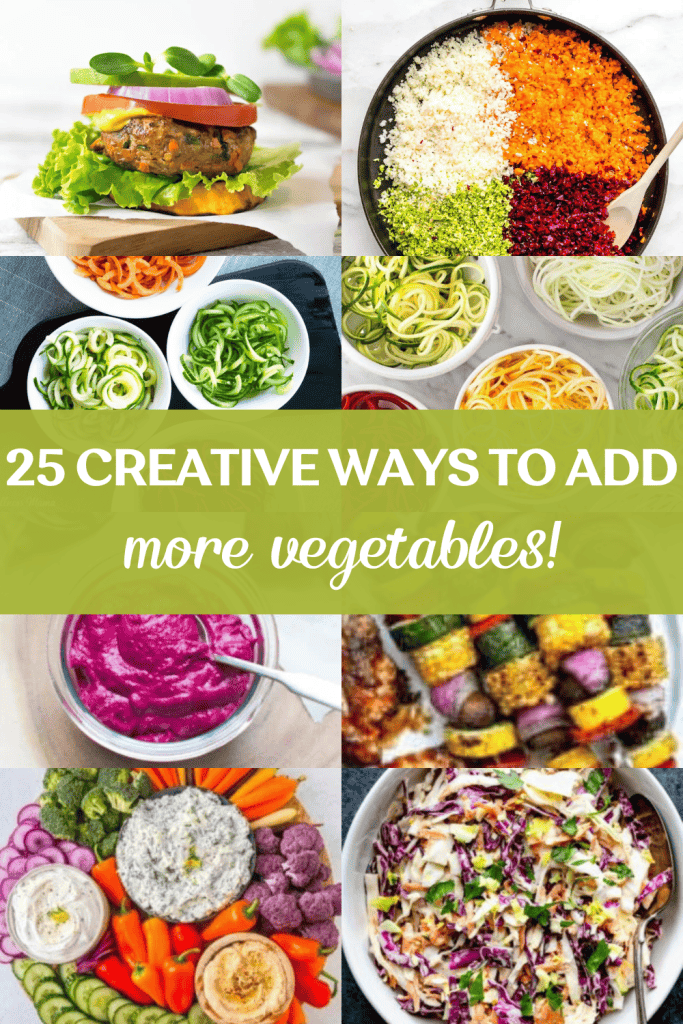
Find vegetables boring?

Discover this round up of 25 creative ways to add more vegetables to your diet.

I personally found that some of the vegetables that could support my health needs the best, were not always my favourites.

So I would avoid including them, even though they might help.

Many of us want to include more vegetables, but struggle for different reasons, which is why I created the 28-day-Eat-More-Vegetable-Challenge.


Hey! Before You Save These Recipes for “Later”…

Here’s a Tiny Step That Helps You Actually Use Them**

Most of us collect healthy recipes with good intentions — and then real life takes over.
If you’d love a simple way to turn inspiration into something your body actually gets to enjoy, start with the Free Self-Care Start-Up Toolkit.

👉 Download the Toolkit (free)

Check out the amazing recipes and creative food bloggers below!

1.      Hide them in curries

hungryhealthyhappy.com suggests

A super easy and healthy Slow Cooker Chicken Curry that takes less than 5 minutes to prep. Easy to adapt, lots of green vegetables and it freezes well too. A tomato based, creamy curry sauce with tender chunks of chicken and some spinach for a green boost. A family favourite with minimal effort!

I have to be careful with spices as many are high histamine but I have found I can tolerate moroccan spices. How about you?

2.      Hide them in mash

carefreekitchen.com suggests

These creamy Mashed Root Vegetables make for a simple, delicious, and unique side dish to serve with any fall meal.  This recipe is hearty, healthy, and pairs well with just about anything.

Vegetable mash is one of my regular go-to weekly recipes, so many herb options and always comfort food!

3. Chuck them in a smoothie

perrysplate.com says

A green smoothie recipe that actually tastes good? Yep. If you’re new or resistant to drinking things like this, this is the perfect green smoothie to break you in. It’s loaded with healthy greens and three kinds of vegetables, and I swear it doesn’t taste like compost.

Many years ago I did an infamous radio interview making a green smoothie on air live!

Lets just say there was green smoothie everywhere!

4.      Hide in homemade burgers

Reclaimingyesterday.com says

These burgers are sort of a cross between a real burger and a veggie burger. The veggies allow you to use less meat, plus they add extra nutrients and help flavor the burgers and keep them super juicy. WINNING. These burgers are easy for reals.

This is definitely on my ‘to-try’ list for summer!

5.      Use small vegetable pieces as an alternative rice option

cottercrunch.com says

Learn how to make riced veggies to use in your favorite healthy recipes! Ricing vegetables is quick and easy to do, and it costs less than buying them at the store!

So many great ideas here instead of my usual peas and sweetcorn that I will be adding to my list.

Let me know which ones you tried!

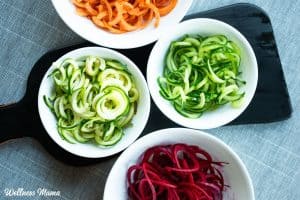
6.      Thinly slice vegetables as an alternative pasta

wellnessmama.com says

Veggie noodles are an awesome alternative to pasta — they’re great if you have a gluten sensitivity and avoid it or if you want to add more vegetables to your family’s diet.

Another great summer/autumn idea I will be addingthey look so beautiful!

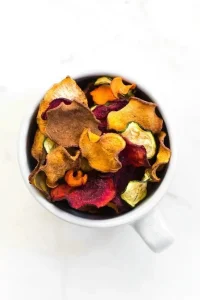
7.      Make vegetable chips and crisps

The bigmansworld.com says

These veggie chips are a Crunchy, crispy and a guilt-free snack that takes just 20 minutes to make! Low in calories and fat, and so much better than store bought.

Don’t these look amazing?

Such a treat!

Don’t forget kale chips too!

8.      Add spinach or greens sheets to lasagne.

foolproofliving.com says

Vegetarian Zucchini Lasagna is a rich yet healthy alternative to traditional lasagna recipes. This low-carb dish uses zucchini “noodles” instead of pasta noodles.

This seems like a simple swap that allows you to enjoy a favourite treat.

And you are adding healthy vegetables!

9.      Add finely chopped veggies to favourites like tacos, bolognaise, chilli

madaboutfood.co says

Use this Hidden Veggie Turkey Tacos recipe to sneak some extra veggies into homemade ground turkey taco meat. Your friends and family won’t even know that they’re eating zucchini and cauliflower with their meat.

Perfect way to disguise less than favourite vegetables!

This sounds like a great excuse for a family taco or chilli night?

10. Add vegetables to egg omelette, frittata and quiche recipes

erinliveswhole.com says

Fuel your body in the morning with some high protein and a variety of veggies… All thanks to this flavorful veggie frittata recipe.

Variations of this has been my breakfast option for years – super filling!

I freeze some of the portions ready for later in the week.

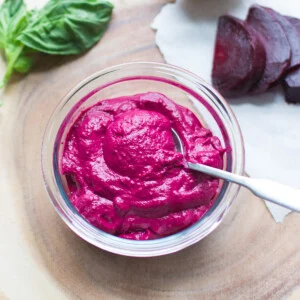
11. Hide in a pasta sauce

mjandhungryman.com say

Made with simple, wholesome ingredients, this beet pesto pasta sauce comes together in minutes and makes for the perfect pasta sauce for babies, kids, and adults!

The colour of beetroot looks so vibrant – can’t wait to try this one!

12. Vegetable tray-bake meals

thehappyfoodie says

Cauliflower, onions and homemade turkey kofta are tossed in a quick spice mix and baked in the air fryer in this simple one basket meal.

Vegetables and Airfryers seem like a match made in heaven!

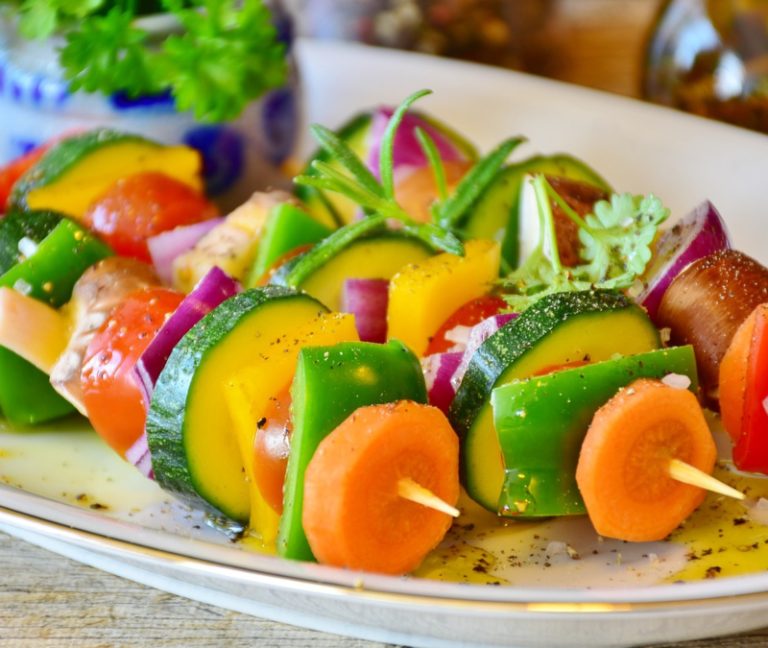
13. Create vegetable kebabs

foodiecrush.com

says Grilling vegetables skewers seems like a no-brainer, but there are a few tricks to making them a simple success every time.

Definitely need to go check out their grilling vegetable tips!

14. Roast them with delicious seasonings

kimscravings.com says

These are the BEST Roasted Vegetables and my go-to side dish when I need something easy that pairs well with almost anything. 

The flavour options are endless and delicious!

Bake-tray meals are perfect for easy clean-up…

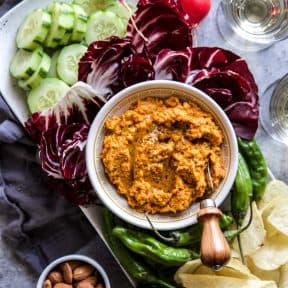
15. Make vegetable dips and hummus.

thecuriousplate.com says

Easy Smoky Carrot Dip is a delicious dip that’s great as a snack and fancy enough as a holiday appetizer!

I am always on the look out for new ideas for dips and such a clever way to hide vegetables!

16. Stuff peppers, sweet potatoes, squash, or courgette

tastesbetterfromscratch.com says

This healthy Vegetarian Stuffed Peppers recipe is packed with rice, beans, veggies, and so much flavor. It will leave you satisfied and energized and are so easy to make!

Such a classic favourite, as I currently can’t eat peppers I could swap sweet potatoes…always options!


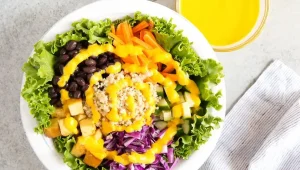
17. Create rainbow salads

shelikesfood.com says

This Beautiful Rainbow Veggie Salad is packed with healthy fruits and veggies and goes great as a side salad or a main dish with some added protein!

How amazing does a rainbow salad look?

18. Create a coleslaw mix

healthyseasonalrecipes.com says

This healthy coleslaw recipe really is super easy peasy to make, and it is completely classic tasting.

Another of my comfort foods……!

The humble cabbage has so many benefits and you can adjust the dressing so it supports your health needs.

19. Quick stir-fries

budgetbytes.com says

We love a good “catch-all” recipe here at Budget Bytes, and a simple vegetable stir fry is the perfect example of that. 

Another family classic!

If you buy or DIY ready prepared vegetables stir fry is a super quick evening meal

20. Easy lettuce wraps

therecipecritic.com says

Healthy and easy, these Chicken Lettuce Wraps are so fresh and delicious! They’re ready in under 30 minutes with a juicy chicken filling and crispy butterhead lettuce.

As someone who has to avoid gluten and wheat it’s easy to forget there are simple veggie alternatives!

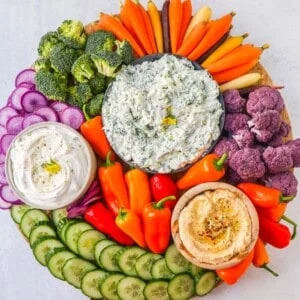
21. Vegetable Crudites & dip

modernhoney.com says

How to make a beautiful Crudite Platter with vegetables and dips. I am sharing my favorite veggie dip recipes, what vegetables to put on a veggie tray, and how to arrange one.

I need to learn how to make my vegetables look beautiful!

22. Throw vegetables on the BBQ

slenderkitchen.com says

Grilled vegetables are the perfect summer side dish! Learn how to grill almost any vegetable from asparagus to zucchini to corn, onions, peppers, potatoes, mushrooms, and more. Delicious recipes, seasoning options, serving ideas, and more. 

Amazing! Now we just need the sun…in the UK

23. Add vegetables to one-pot casseroles (slow-cooker)

tamingtwins.com says

Slow Cooker Beef Stew or Slow Cooker Beef Casserole? Whatever you call it, it’s comfort food at its very best. A hearty meal packed with flavour, vegetables and rich gravy for the whole family.

Stews or Casseroles are real comfort food in my home.

And so easy to hide a few veggies!

24. Make vegetable dressings and seasonings

forksoverknives.com says

Fresh carrots combine with a touch of tahini in this nutrient-rich, creamy carrot-gold-dressing. The hint of ginger adds a beautiful flavor boost. Try this on grains, too!

One I will be trying!

25. Vegetable noodles

loveandlemons.com say

Did you know that you can make veggie noodles out of cucumber, carrots, kohlrabi, and more? We’ve all heard of zucchini noodles by now, but lots of other vegetables can transform into curly, colorful noodles too! 

How colourful do these look? pretty sure they would transform a noodle bowl recipe!


Before You Save This Recipe for “Later”… Let’s Make Nourishment Something You Actually Get to Enjoy

If this recipe has inspired you, that’s a wonderful place to begin.
But if you’re like most of us, inspiration often ends up saved, pinned, or bookmarked — without ever becoming something your body actually gets to enjoy.

Your body doesn’t need more saved ideas.
It needs one small, supported step that fits your real life.

The Free Self-Care Start-Up Toolkit helps you turn that “I’ll try this recipe one day” thought into one easy, real-life step that actually nourishes you.

Most people like to complete the Toolkit over a relaxed weekend.
It includes short step-by-step videos and simple printables to guide you through choosing your first gentle challenge and preparing to begin without pressure or perfection.


Download the Free Self-Care Start-Up Toolkit

A calm, personalised starting point for your first Nourish challenge.

Inside, you’ll gently discover how to:
🌿 understand what your body may be asking for
🌿 choose one tiny Nourish step that fits your real energy and routine
🌿 begin your first challenge in a way that feels safe and achievable
🌿 notice small benefits without relying on willpower

You’ll also receive:
✉️ monthly Nourish themes & reminders
💬 access to our private community (coming soon)

👉 Send Me My Free Toolkit

(Part of the Nourish Pathway — helping you move from saving recipes to actually using them in a way that supports your wellbeing.)

Free beginner-friendly guide!

“It’s 100% free—no strings attached.”

Hiding veggies isn’t just for fussy children — some days, it’s for us too.

You know vegetables are good for you… but let’s be honest: sometimes they’re boring, sometimes they’re too much effort, and sometimes they just sit in the fridge until they go squishy and guilt-shaped.

Maybe you’ve been told to eat more veggies for your health, or you’ve noticed certain ones help ease your symptoms.
Maybe you simply want to swap a few processed foods for something fresher — without needing a chef’s knife skills or a new personality.

Whatever your reason, this challenge is your gentle nudge to experiment, simplify, and actually enjoy your vegetables — no spiralizers or fancy prep required.

There are countless benefits to eating more vegetables — but the only real way to find out what difference it makes is to try it, track it, and see how your body responds.

So, whether you’re blending, roasting, sneaking, or hiding them under cheese, join us for 28 days of veggie exploration — and see just how much better you can feel (without giving up flavour or your sanity).

Want to save this challenge for later? Jump to the “Challenge Recipe” section below.

Jump to Recipe

About the Challenge

The 28-Day Eat More Vegetables Challenge is a fun, supportive way to get started and stay inspired.

At MakeSelfCareSimple, we always encourage you to discover what works best for you — no rules, no judgment. Each of us is unique, and there’s no one “right” way to nourish yourself.

If you’ve found that certain vegetables don’t suit you, or your practitioner has advised otherwise, always listen to your own body and professional guidance. In that case, simply skip this one and try another self-care challenge that fits you better.

If you’re new here, the Nourish Pathway is all about turning food restrictions into inspiration. Each month we focus on a theme, experiment with recipes, and support one another. Learn more here →

The 28-Day Eat More Vegetable challenge

The Aim

  • To increase the portion of vegetables in your daily meals for 28 consecutive days, and notice what changes you experience.
  • To discover simple, creative ways to include vegetables in your meals.

You can start any day that suits you — though giving yourself a few days to plan and shop can help.

This challenge has two parts:


How to do the challenge

For this challenge, I don’t count white potatoes (chips, mash, jacket, or new) as part of the “vegetable” portion — they can still be included as part of your meal. I do include frozen vegetables.

Your goal:
👉 Vegetables should make up at least 51% of your lunch and dinner plates every day for 28 days.

If that feels too much of a jump, start smaller — choose a target that feels doable but still challenges you.

You might decide to focus on specific vegetables that support an area of your wellbeing, or perhaps you’d like to do a mild “cleanse” with more raw salads, organic produce, or seasonal veg.

It’s your challenge — adapt and repeat it as many times as you like.
(And as always, check with your health professional if you have any concerns.)

The key is to see if your wellbeing feels different after 28 days.

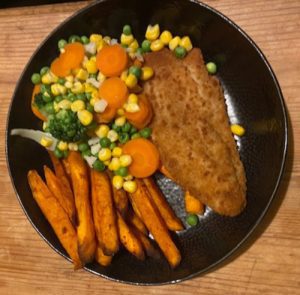
51% is easy to see on the plate!

vegetables-makeselfcaresimple

Before You Begin

Reflect on a few questions before you start — they’ll help you measure your “before and after” progress.

  1. What percentage of your meals currently include vegetables?
  2. What do you hope to experience by eating more vegetables?
  3. What might make this challenge difficult, and how can you plan for that?
  4. What are your current symptoms or wellbeing scores? (Record them now to compare later.)

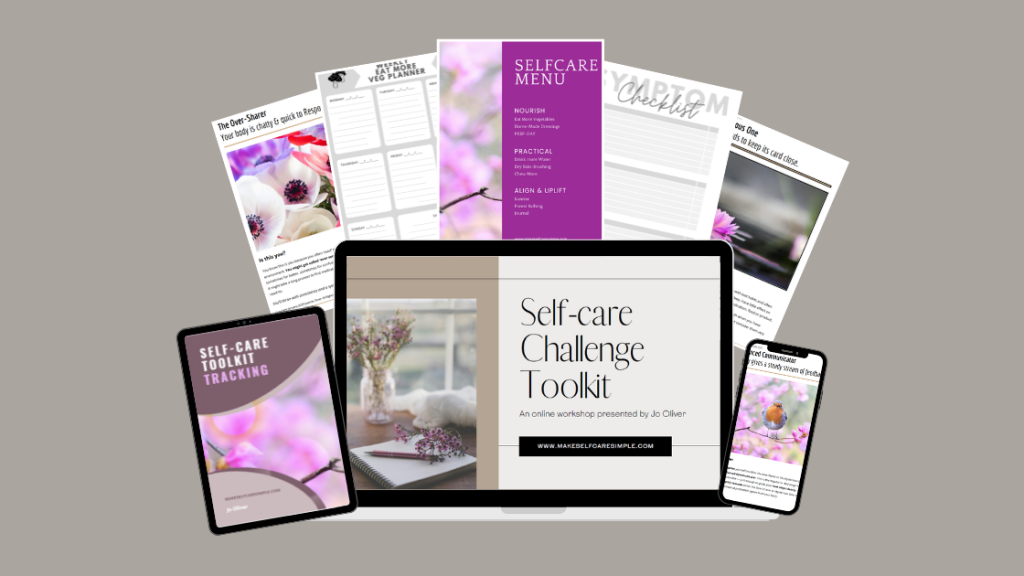
📘 Tip: Use the Self-Care Challenge Toolkit to track your answers and results.

makeselfcaresimple
Read 25 ways to add more veggies to meals for more ideas!

Why do we struggle to eat more vegetables?

After working with clients for many years, I found that everyone has a few habits that are hard to change. That’s completely normal — and awareness is the first step to shifting them.

Common reasons include:

  • Vegetables feel boring, or tasteless. 
  • You don’t have time to cook or prep.
  • Family members have different preferences
  • You don’t like cooking, or your health makes it difficult, and prefer take-out and ready meals.

Identifying your likely hurdles before you begin helps you plan realistic solutions.

What to Prepare.

Before you start:

Stock up on vegetables you already like — and maybe a few new ones to try.

Choose your sources:

  • Supermarket or farmers’ market
  • Organic or local veg box
  • Frozen or pre-prepared mixes
  • Ready-to-use salad or stir-fry packs

List the vegetables you enjoy most, then plan meals that use them.
Start with familiar meals and simply increase the vegetable portion.
Gradually try new combinations or cooking methods from the 25 Ways to Add Veg.

28-day eat More vegetables Challenge makeselfcaresimple.com

If you struggle for Time

You’re not alone! This was always my biggest challenge, especially when I was working long hours and managing fatigue.

Some ideas to make it easier:

  • Cook extra at dinner for next day’s lunch or freeze portions.
  • Have one or two prep sessions each week.
  • Use frozen or pre-chopped vegetables and salad mixes.
  • Prep veg right after shopping and store ready-to-use.
  • Batch cook staples (grains, proteins, soups) and build meals from there.

If you don’t enjoy cooking

Sometimes cooking can feel like another chore that has to be done. Cooking and prep can be difficult when you are in pain, have mobility issues or are exhausted.

Boring-veg-makeselfcaresimple

Here are some ideas I have tried.

  • Make use of the many gadgets available to protect hands and save time
  • Transform preparing meals from a chore to ‘me-time’ – listen to music, podcasts or audio books.
  • Get a stool and perch if standing is painful.
  • Don’t stand for too long in one position – do a 2-minute march, stretch etc.
  •  Cook with a friend! If not in person perhaps you can video chat together?
  • Order meals with plenty of vegetables that are ready-prepared-for-you
  • Take it in turns to cook for each other.


If Vegetables feel Boring

If eating more vegetables could improve your health and wellbeing, it would be a shame if it felt like punishment! I know if faced with half a plate of brussel sprouts twice a day was my solution I would soon give up.

The easiest solution is to hide vegetables in meals that you already enjoy.

I have put together 25 different ways to hide vegetables and found creative recipes from food bloggers.

Use this list as inspiration, and adapt to your preferences and needs.

I’ve put together a list for you HERE

Conclusion — Progress, Not Perfection (and Definitely No Guilt)

Congratulations on completing your 28-Day Eat More Vegetables Challenge!

Whether you’ve become a salad superstar or just managed to sneak spinach into your soup without anyone noticing — it all counts.
Every extra handful of greens, every new recipe, every colourful plate has helped your body in ways you might not even realise yet.

Remember, the goal wasn’t to eat perfectly — it was simply to make your lunch and dinner plates 51% vegetables (not counting potatoes!) and to have fun exploring what works for you.

If your fridge still contains green things at the end of the week because you actually used them — that’s a win.
If you learned a few new ways to make veggies less boring or less time-consuming, even better.

Now it’s time to reflect:

  • What changed in your energy, digestion, mood, or skin?
  • Which recipes or habits did you enjoy most?
  • Will you continue eating this way?

Every self-care challenge teaches you something new about your body — and builds confidence in your ability to create change.

I’d love to hear what you discover — share your results in the comments or our community!

Well done image in Make Self Care Simple brand colours – completion of 28-day self-care challenge
Well-done! You have completed another step towards making selfcare simple

Everything You Need to Start Today

Let’s be honest — most of us love reading about self-care more than we love doing it.
(Don’t worry, you’re in good company — I have a whole library of forgotten Pinterest Boards too)

But reading about self-care won’t get you results — your body only learns when you experience something new.
That’s why I created the Self-Care Start-Up Toolkit — to help you turn ideas into action with simple, nourishing steps you can start today


Free Self-Care Start-Up Toolkit

A gentle way to begin your first challenge with clarity and confidence.

If you’ve been reading along and thinking,
“I’d love to try this myself one day…”
you don’t have to wait or wonder where to start.

The Toolkit gives you a calm, clear place to begin — including short videos, simple printables, and gentle guidance to choose your first challenge in a way that feels personal and doable.


Inside, you’ll find:

🌿 A gentle before-and-after reflection to help you understand what your body may need
🌿 Short video walkthroughs to help you begin your first challenge without overwhelm
🌿 Printable planners and reflection pages to support consistency
🌿 Space to explore what feels nourishing and achievable for you

You’ll also receive:
💌 Weekly self-care reminders, new challenges, and encouragement
💬 Access to our free community (coming soon!) — for gentle support and shared progress

👉 Send Me My Free Toolkit

🌸 Nourish Pathway — simple ways to feed your energy and wellbeing with kindness.

Get results without overwhelm—one small, doable step at a time!


Make Self Care Simple shares general self-care education for inspiration only. I’m not providing medical advice — always check what’s right for you with a qualified health professional.

©2025 Make Self Care Simple.


Save or Print a summary of this challenge with the ‘Challenge recipe’.

28-Day Eat More Vegetables Challenge

Prep Time1 day
Total Time28 days

Equipment

  • 1 peeler
  • 1 knife
  • 1 food processor Optional
  • 1 masher
  • 1 spiraliser

Materials

  • 1 Vegetables which do you like/need?|

Instructions

  • Increase the vegetable portion or lunch & dinner to 51%

Notes

28-day Eat More Vegetables Challenge

The aim of this challenge is to increase the vegetable portion in your daily meals for 28-consecutive-days to see what improvements you notice in your wellbeing.
Another aim of this challenge is to discover creative and simple ways to include vegetables in your daily meals.
Why do you struggle to eat vegetables?
List and score your symptoms before and after the challenge.
Plan meal ideas for the week/month.
The specific goal is that vegetables make up over 51% or over, of your lunch and dinner meals. Every single day for 28 days.
Log your daily progress (see the free printable in Selfcare Startup kit)
Note which recipes you enjoyed the most
What improvements do you notice?
Will you keep this self care practice as part of your regular routine?

You’d think drinking water would be the easiest healthy habit in the world.
And yet… here we are — another day, another half-full glass on the counter.

If plain water feels boring, forgettable, or just impossible to keep up with, you’re in good company. I’ve lost count of how many clients (and days!) I’ve had the same struggle.

That’s why this challenge keeps it as simple as possible — no huge bottles, no timers, no guilt trips.
Just small, steady sips that remind your body what it feels like to be properly hydrated again.

After all, self-care isn’t always about doing more — sometimes it’s just about remembering to drink what’s right in front of you.

Because apparently, coffee doesn’t count (I checked).

Jump to Recipe

The Intention

To gently reintroduce your body to regular hydration and create a rhythm that feels natural.
Like all Make Self-Care Simple challenges, you’re encouraged to adapt it to fit your own energy, lifestyle, and body’s needs.


Try this Challenge If:

  • You suspect you don’t drink enough water
  • You find water boring or forget to drink regularly
  • You struggle with fatigue, headaches, or sluggish digestion
  • You want a simple, low-effort self-care habit that makes a big difference

(Tip: I find this challenge especially helpful in the cooler months when it’s easy to forget to drink.)


Pin for later ?

What Is the Drink More Water Challenge?

Over the next 28 days, you’ll track and celebrate the days you meet your personal water goal.
You’ll start small — just five mini “sips” a day — and see what changes you notice in your energy, skin, and focus.

By the end of the challenge, you’ll have clear feedback on how hydration affects your wellbeing — and you’ll decide if you want to make it part of your regular routine.


Why Water Matters

Water supports nearly every function in your body — from energy and temperature regulation to digestion and brain function.

Even mild dehydration can affect your mood, concentration, and metabolism. Over time, it can also put stress on your kidneys and joints.

So, a little consistency really does go a long way.


How Much Water Do You Need?

There’s no perfect number. Everyone’s needs are different and depend on:

  • Temperature and weather
  • Activity level and sweating
  • Age, gender, health, and medications

Instead of chasing a fixed target, this challenge focuses on habit and awareness.
You’ll simply notice how your body feels as you drink more regularly.


Check-In Before You Begin

Spend one day observing how much you currently drink. Include everything — tea, coffee, smoothies, juice, and water.
Then ask:

  • How much of this is pure water?
  • How do I feel (energy, mood, focus, skin, digestion)?

You’ll use these notes to compare your “before” and “after” once the challenge ends.


The Simple 28-Day Drink More Water Challenge

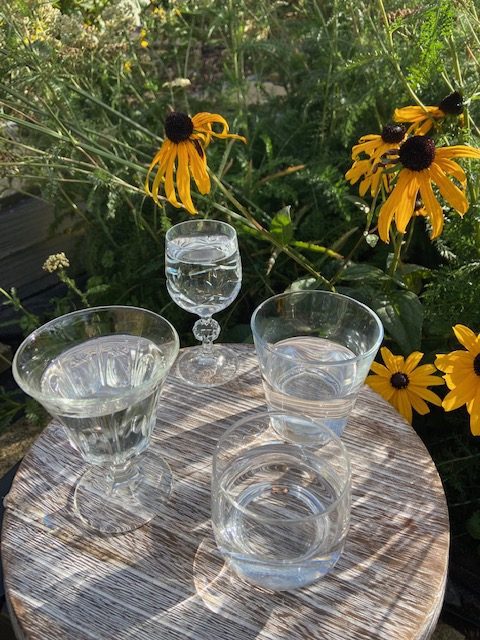
For the next 28 days, drink at least 100 ml (about 3 fluid ounces) of plain water at these times:

1️⃣ Upon waking
2️⃣ Before breakfast
3️⃣ Before lunch
4️⃣ Before dinner
5️⃣ Before bed

That’s just five quick moments a day — about two big gulps each time.
Over 28 days, that adds up to around 14 litres (24½ pints) of pure water.

This is in addition to your normal beverages.


Why This Works

  • Small = achievable. 100 ml at a time feels easy, which helps you stay consistent.
  • Timing = benefit. Drinking before meals supports digestion and helps prevent overeating. Drinking on waking and before bed supports detox and hydration overnight.
  • Habit stacking = success. Pairing water with things you already do (like meals or brushing your teeth) helps make the habit automatic

Can I Drink Warm or Hot Water?

Yes! It all counts — cold, warm, or hot — as long as it’s plain water (no flavourings or sugar).
Some people find warm water easier to drink in cooler weather. Experiment and notice what feels best.


Want to Take It Further?

If this feels easy, you can gently increase:

  • Drink 150–200 ml each time instead of 100 ml
  • Or add another 100 ml after every bathroom break

You’ll get even more benefit without feeling overwhelmed.


Tracking Your Progress

Inside your toolkit

Tracking makes this more fun — and motivating!

Use your Drink More Water Tracker from the Free Self-Care Startup Kit or simply tick off each day in your journal.
After 28 days, compare how you feel.

Common improvements:

  • More steady energy
  • Clearer skin
  • Better digestion and regularity
  • Fewer headaches
  • Improved focus and less fatigue

If you don’t notice much change, that’s okay — it might mean your hydration was already good, or your body needs more time. Either way, awareness is progress.


Reflection & Integration

After 28 days:

  • Review your “before” and “after” notes
  • Notice small wins — even subtle ones
  • Decide if you’d like to continue or increase your daily intake

Remember, consistent small habits make the biggest difference


Final Thoughts — Stay Hydrated (Without the Pressure)

Congratulations on completing your 28-Day Drink More Water Challenge!
You’ve strengthened one of the simplest — and most powerful — self-care habits there is.

If you managed to drink more water than you spilled, forgot, or replaced with tea… that’s a win.
Because every small, consistent sip adds up — to better energy, clearer skin, and a lighter mood.

Keep listening to your body, keep your water nearby, and keep it simple.
And if you ever fall off the hydration wagon, don’t worry — your next sip is always a fresh start.

Why not invite a friend to join you next month? Hydration (like laughter) really is better when shared.

Because apparently, coffee still doesn’t count — but you’re doing brilliantly anyway.

Well done image in Make Self Care Simple brand colours – completion of 28-day self-care challenge
Well-done! You have completed another step towards making selfcare simple

Take the First Step…

We’ve all done it — promised ourselves we’d start that new healthy habit “tomorrow,” and felt oddly proud of the plan… until tomorrow never comes.

The truth is, self-care doesn’t need a perfect day — just a small, curious step today.

Your body learns from action, not intention. The Self-Care Start-Up Toolkit helps you turn what you’ve learned into action — so your self-care finally becomes real, simple, and yours.

Free Self-Care Start-Up Toolkit

Turn inspiration into lasting results — with a simple system that helps self-care finally work with your body, not against it.

If you’ve been reading along and thinking, “I’d love to try this myself one day…” — you don’t have to wait, or wonder where to start.

The Free Self-Care Start-Up Toolkit gives you the gentle structure to make your first challenge easy, personal, and effective.
It’s the same step-by-step approach I use when following the challenges alongside you — so you’ll feel supported every step of the way.

Inside, you’ll find:
🌿 A gentle Before Assessment to pinpoint what your body truly needs — so you can stop guessing and start seeing real results
🌿 Step-by-step guidance (plus short video walkthroughs) to choose the right self-care challenge for your needs — and actually complete it.
🌿 Printable planners, reflections, and trackers to help you stay consistent
🌿 Access to our private community (coming soon!) — for gentle accountability and encouragement

You’ll also receive:
💌 Weekly self-care reminders, new challenges, and encouragement in the Make Self-Care Simple newsletter
🪴 Access to our free private community — where women share progress, celebrate wins, and remind each other we’re not alone

👉 Get Your Free Toolkit & Join the Community

(Part of the Practical Self-Care Pathway — build habits that support your body’s natural balance.)

discover your selfcare blueprint

Make Self Care Simple shares general self-care education for inspiration only. I’m not providing medical advice — always check what’s right for you with a qualified health professional.

©2025 Make Self Care Simple.
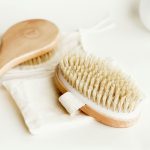
Download your free handy challenge reminder!

28-Day Drink More Water Challenge

Prep Time1 day
Total Time28 days

Notes

28-day Drink More Water Challenge

Goal: Build a simple daily hydration habit
Duration: 28 days
You’ll Need: Water, glass or bottle, tracker or journal
Steps:
  1. Track your current intake for 1 day
  2. Drink 100 ml at 5 key times (morning, before meals, before bed)
  3. Log your progress daily
  4. Compare your before/after notes at the end
  5. Optional: Increase amount or frequency after week 2

Just for a second a quiet corner of my mind reminds me of the latest self-care challenge I am ‘testing’ for the blog. The one I am supposed to be doing right now.

Today however, the UK has had its hottest day of the year and despite the best efforts of the fan I’m melting

I really should start this new practice, but I just want to lie on my bed and not move, not do anything. Stay as cool as possible.

The truth is that this potentially health-changing new practice would only take a few minutes, no equipment or effort really needed, and could be done from the bed where I’m now laid.

But I’m also melting in this heat. On the hottest day of the year.

Sound familiar?

Excuses (some more valid than others) are how I self-sabotage my self-care efforts.

I know this because for decades I have been exploring self-sabotage when it comes to self-care. And me and my excuses have become old friends.

Today I want to help you self-sabotage-proof your first challenge so you can win the day. And then the challenge.

Jump to Recipe
Melting in the heat - a self-sabotage excuse?

Do you really want to fail (again)?

Whenever you do anything for the first time your mind can get in the way!

It can feel like self-sabotage, as if there is a part of you that wants you to fail.

This is because your mind is programmed to value known experiences and outcomes.

A cascade of Self-sabotage patterns are triggered when you start to make any new changes.

And these self-sabotage patterns feel like truth.

Sneaky Self-Sabotage Signs that Feel like Truth

It’s helpful to be prepared by knowing what sneaky self-sabotage signs to look for. 

Here are a few common signs I’ve seen in clients and experienced myself.

  • *Keep forgetting/ignoring any reminders
  • *I don’t have enough time/energy etc (Excuses).
  • *Doubts – will this even work? I’ve never heard of this before.
  • *Fears – am I doing this wrong? Will I look foolish or be judged?
  • *Limiting beliefs – this won’t work for me (nothing does)

These (and others) are all examples of how your brain tries to protect you

AND

These thoughts will be accompanied by uncomfortable feelings which strengthen the message.

For example, when you realise you forgot to complete today’s challenge you may also experience a twinge of guilt and mean self-talk ‘I am useless!’

Or with a limiting belief of ‘this won’t work for me’ your mind might remind you of past failures so you experience the remembered pain and frustration of experiencing failure ‘nothing ever works for me’.

BTW I have experienced all of these self-sabotage patterns and so do most people.

Psst… want a simple way to complete your first self-care challenge? Grab my FREE Self-Care Challenge Toolkit and start today

Feelings Self-Sabotage-Proof-Self-care
Human emotion mind map, positive and negative emotions, flowchart concept for presentations and reports

Why would my mind work against me?

Good question. Doesn’t my mind exist to do my bidding?

Er Not always. It’s complicated.

With every new change you make there is always a certain level of risk (will it/won’t it work) and your default protector-brain wants you to avoid risk at all costs.

Your past is sprinkled with painful failures and your mind tries to protect you from making more.

Your brain is wired to survive by avoiding change to reduce new risks/threats.

So the protector-brain uses every tactic in the book to test your resolve before you start something new – clever!

Unless you, the controller, override the programme.

Become the Controller.

Your protector-brain is a very good thing – it looks out for you 24/7 to stop you taking impulsive actions or doing something new without good reason.

The brain is designed with an override button that gives you free will and choice to make new changes that you decide are worth the risk.

Testing new healthy changes is usually worth the risk when it comes to starting your self-care challenge. 

The main risk is no results after wasting a few minutes each day for 28 days.

But unless you override the default programme, the protector brain will trigger self-sabotage patterns even with healthy changes.

The first step to override an over-protective brain is to become aware the instant any self-sabotage pattern starts.

Having read this article, you are one step-closer to notice and question the protector’s thoughts and feelings.

Ah, is this my protector brain?

How to Override your Self-Sabotage Patterns

Then you are going to remind yourself, and your mind, why you chose to do the challenge. You are going to soothe your protector brain into switching the alert off.

You can gently remind yourself.

I am trying this challenge for the next 28-days to see if this is something that my body needs to help it repair and function.

Can you see how reasonable and soothing this reply is?

Instead of ‘I am terrible/useless/hopeless, always trying to self-sabotage myself

Or giving up…

Self-Sabotage-Proof

Don’t Skip This Important Step

In my opening example, what I actually did was to complete some of the self-care practice immediately after recognising my excuse for what it was. A test from my brain!

I actually didn’t do all of the practice (because it was true I was melting in the heat) but enough to reinforce my choice that this is important to me.

The brain will keep trying to test me over the next few days. Do you really want to make this new change?

This is perfectly normal and a sign of a healthy protector-brain.

You might have to hunt down all the sneaky ways your brain tries to stop you making new healthy changes when you start a new self-care challenge

Then make that healthy change as soon as possible to reinforce your decision that this new change (challenge) is important.

Of course self-care is only one area of your life that this happens!

Finally the Good News!

There is some good news…

After a while it does get easier to recognise self-sabotage tactics before they stop you. 

Like myself, you will start to notice your default self-sabotage patterns.

You might be a doubter or excuse-maker like me, or maybe more of a worrier, or perfectionist or something else, just notice how your protector shows up. There is no right or wrong protector!

I found that my self-sabotage patterns especially around self-care (Where I have practiced being the controller the most) has reduced in intensity and is really quite half-hearted these days.

Keep this in Mind…

The aim is for new healthy changes to become automatic habits.

Which is why after the 28-day challenge, if you decide to add this practice to your regular SelfCare Menu, you continue the practice.

Having spent the last 28-days overriding any self-sabotage attempts, and following the practice consistently, you’ve set up this new practice to become another healthy habit.

That runs on automatic. While you focus on other things.

Next Steps

Each time you start a new self-care challenge you can self-sabotage-proof your goals simply by understanding your mind a little better.

I’ve listed ‘Self-Sabotage your Day – Step by Step‘ for you to download in the handy recipe section below. You can download it as a PDF.

Hopefully now you understand why your mind ‘tests’ your resolve to make healthy new changes through self-sabotage tactics you have a new perspective and way forward!

Sometimes to complete the challenge or reach your end-goal you simply have to win the day.

That quiet part of my mind I mentioned at the beginning? It is another part of your brain that is designed to remind you of your goal. Something to discuss next time.

Well done image in Make Self Care Simple brand colours – completion of 28-day self-care challenge
Well-done! You have completed another step towards making selfcare simple

Awareness is powerful — but it becomes transformation when you track and apply it. The toolkit helps you put your insights into practice

Free Self-Care Start-Up Toolkit

Turn inspiration into lasting results — with a simple system that helps self-care finally work with your body, not against it.

If you’ve been reading along and thinking, “I’d love to try this myself one day…” — you don’t have to wait, or wonder where to start.

The Free Self-Care Start-Up Toolkit gives you the gentle structure to make your first challenge easy, personal, and effective.
It’s the same step-by-step approach I use when following the challenges alongside you — so you’ll feel supported every step of the way.

Inside, you’ll find:
🌿 A gentle Before Assessment to pinpoint what your body truly needs — so you can stop guessing and start seeing real results
🌿 Step-by-step guidance (plus short video walkthroughs) to choose the right self-care challenge for your needs — and actually complete it.
🌿 Printable planners, reflections, and trackers to help you stay consistent
🌿 Access to our private community (coming soon!) — for gentle accountability and encouragement

You’ll also receive:
💌 Weekly self-care reminders, new challenges, and encouragement in the Make Self-Care Simple newsletter
🪴 Access to our free private community — where women share progress, celebrate wins, and remind each other we’re not alone

👉 Send Me My Free Toolkit


🧠 MindCraft Pathway — mindset tools to stay consistent and inspired from within.


Make Self Care Simple shares general self-care education for inspiration only. I’m not providing medical advice — always check what’s right for you with a qualified health professional.

©2025 Make Self Care Simple.

Want to remember the key points about self-sabotage? Click the ‘Recipe’ below to print or save a summary!

Self-Sabotage Proof Your day –  Step by Step

Notes

Self-Sabotage Proof Your day –  Step by Step

Step 1
Look-out for your personal self-sabotage signs and patterns. They can surface the moment you go to do something new for the first time, and days later.
They can start off very subtle, just enough to make you pause and hesitate.  But increase in intensity when challenged or ignored.
Step 2
Soothe the protector part of your mind by reminding yourself why you are exploring a new self-care practice. * You will notice that I provide details and links to further information for each self-care challenge.
Step 3
Action your new self-care practice. This reinforces your choice and helps override any self-sabotage. Even if you only do part of it. For instance I used to ‘forget’ to fully chew my first mouthful, so I would chew a later mouthful or put a reminder up. Anything to ‘confirm’ I really do want to test if chewing my food makes a difference.
Step 4
Repeat. You want a strong protector part of your mind, the idea isn’t to shut it down completely. It is simply asking you to confirm you really want to do something new and that is a good thing. And it will test your answer by coming up with another sabotage tactic. 
 

Week 4 of my Long Covid, Histamine & SIBO journey I discover that the combined low histamine and fodmap diet can cause new symptoms – and that one of them might be good news!

New Symptoms on low Histamine & Fodmaps Diet

My restrictive low fodmap (sibo) and histamine diet definitely helped improve the uncomfortable bloating, gas and stretched feeling in my upper stomach.

Although there is still a fullness and slight swelling in that area – I guess housing all those bacteria requires extra room?

And I know from experience that my histamine reactions would be far worse and more frequent if I didn’t avoid the high histamine foods.

So I am definitely confident the diet is supporting my histamine and sibo symptoms while I work on healing the root causes.

However I did start to notice two new symptoms which I think were caused by the diet.

Please note this is my personal journey, not medical advice

Just landed on this page?

You can start from the beginning HERE or Week 3 HERE

Starving Intestinal ‘bad’ Bacteria through Diet

The diet is designed to starve the bacteria of the foods they love to feast on – carbohydrates and yeasts. ** There is no scientific proof of bacteria starving but it feels real when you go through it!

Bacterial signalling is when the bacteria signals your brain that it needs and craves sugar – it can make you feel desperate and emotional – but is really just the bacteria controlling you..

Anyone who has struggled with candida overgrowth will recognise this situation.

Between weeks 3 and 4, I really started to notice cravings. Random images of my favourite past treats – chocolate – kept popping into my head with the emotion of ‘its not fair’ being triggered.

To be fair my diet had been low sugar for quite a while as any refined sugar – even natural stevia, maple syrup, honey, xylitol, and coconut sugars caused horrible skin rashes and boils over my face.

Luckily I am just vain enough to be horrified and quickly remove as much sugar as possible.
** Strangely enough Agave syrup did not cause a histamine reaction – but am sure it is high fodmap and feeds those pesky bacteria.

Instead of succumbing to chocolate (remember the boils!) The cravings sent by the bacteria strengthened my resolve.

I was glad the bacteria were starving, getting weaker.

Because bacteria robbing me of all my nutrients meant I was also getting weaker.

This can slow your Gut Motility (Sluggish Bowel)

The combined low fodmap (sibo) and histamine diet includes resistant starches such as potato, rice, quinoa and oats.

Oats

Resistant Starches are considered beneficial for people with Sibo and IBS as they bypass the small intestines and feed the good bacteria that you need in the large intestines. They are also said to improve the gut barrier and reduce gut permeability.

This is all great.

Just be aware that resistant starches can slow your gut motility – slow your bowel transit time or even cause constipation.

I had enjoyed eating sweet potatoes but the 75g portion size (cooked) had felt challenging to stick to and if you go above this amount sweet potato becomes high fodmap and feeds the bacteria.

Same with oats, I love them, but have noticed that my portion size can creep up.

My typical low fodmap (sibo) & histamine meal plan included one resistant starch and a protein with some of the limited vegetable choices at each meal 

This combination of starch and protein caused my normal transit time to slow right down.

Now for some people a slower bowel transit time would be no problem at all!

But I needed a good transit time because of a crucial new remedy I was keen to begin using. This remedy was known to slow the bowel transit time and yet to work effectively needed to not hang around in the colon for too long.

**More on this new remedy in week 5!

This week was spent exploring how to ease constipation and sluggish bowel naturally – especially when you can’t tolerate or take the usual OTC medications and remedies. It proved so helpful that I turned it into a simple challenge you can try yourself – see HERE.

I almost missed this Obvious Tactic!

In between encouraging my bowel to work better and dealing with bacteria signalling I almost missed an obvious tactic.

DAO  – Diamine oxidase – is an enzyme that breaks down histamine in the stomach. About 9 months ago I started taking one capsule each morning and it acted like a miracle in reducing the intensity and frequency of my reactions.

As I mentioned before, there is only one brand that suits my body, and honestly it is quite expensive.

As I was searching for more solutions and answers I suddenly realised that maybe I needed to take a 2nd DAO capsule before my evening meal?

Sometimes we almost miss the obvious!

Medical Patient Drug Care Concept

Why More is not always Good

Reducing my intense histamine reactions was a big relief – because the constant reactions impacted my energy levels, cognitive ability, general weakness not to mention potential damage to my eye-sight and vagus nerve. 

However the fact that I needed more DAO was not great news 

One negative was that I would need to order double the amount of expensive tablets!

The other negative was that needing a 2nd DAO Enzyme indicated that my digestion was getting weaker.

This made sense as my diary shows that I was having histamine reactions 4 – 5 days a week and those reactions were to foods/scents etc that previously I had been able to tolerate.

On the days that I remembered to take this 2nd capsule my reactions were milder. I kept forgetting to take them before my evening meal and they don’t work after you’ve eaten. 

My daughter got fed up with her forgetful mum and took action

So now if you meet me late afternoon and hear angry barking – it is just my mobile phone reminding me to take the blasted 2nd DAO!

Summary of week 4

  • Bacterial Signalling – shows up as cravings – and is a positive sign that your diet is starving the bacteria.
  • The restrictive low histamine & Sibo diet can mean that your meals include a larger % of resistant starches with protein which in some people can cause a sluggish bowel
  • Needing to take more DAO Enzyme is a sign that my digestion is getting weaker
  • In order to prepare for a new remedy I need to ensure my bowel has every support I can provide (and tolerate)

Interested in Natural Self-Care?

Hope you found my own (far from perfect) journey helpful on some level – even if it’s just reassuring to know you are not alone on the ups and downs of caring for your body and health!

Why not discover how I use Self-care to support my own journey and explore all the free support that’s included?